
Wireless Alarm Vulnerability Calculator
Configure your setup below to see how vulnerable your system is to the three main disadvantages: Interference, Jamming, and Battery Failure.
Vulnerability Report
Ready to Analyze
Enter your system details to check for blind spots and risks.
Critical Recommendations:
- ⚠ Switch to Z-Wave/Zigbee or add repeaters to reduce interference.
- ⚠ Install RF jamming detectors to alert you if signals are blocked.
- ⚠ Set a calendar reminder to replace batteries proactively.
- ⚠ Consider a hybrid wired/wireless setup for critical entry points.
Imagine your home alarm system triggering a panic because the internet flickered for three seconds. Or worse, imagine it staying silent while someone walks right in through your back door because a microwave oven drowned out the signal. These aren't just theoretical nightmares; they are real risks when you rely on wireless alarm systems, which are security setups that use radio frequency signals instead of physical wires to connect sensors and control panels. We love wireless tech for its convenience. No drilling holes in walls, no ugly cables running along baseboards, and easy installation for renters. But if you've ever wondered why professionals still swear by wired connections for critical infrastructure, you need to look at the downsides. While modern technology like Wi-Fi 6 and Z-Wave has improved things, the physics of radio waves haven't changed. Here are the three biggest disadvantages of going wireless with your home security.
1. Signal Interference and Reliability Issues
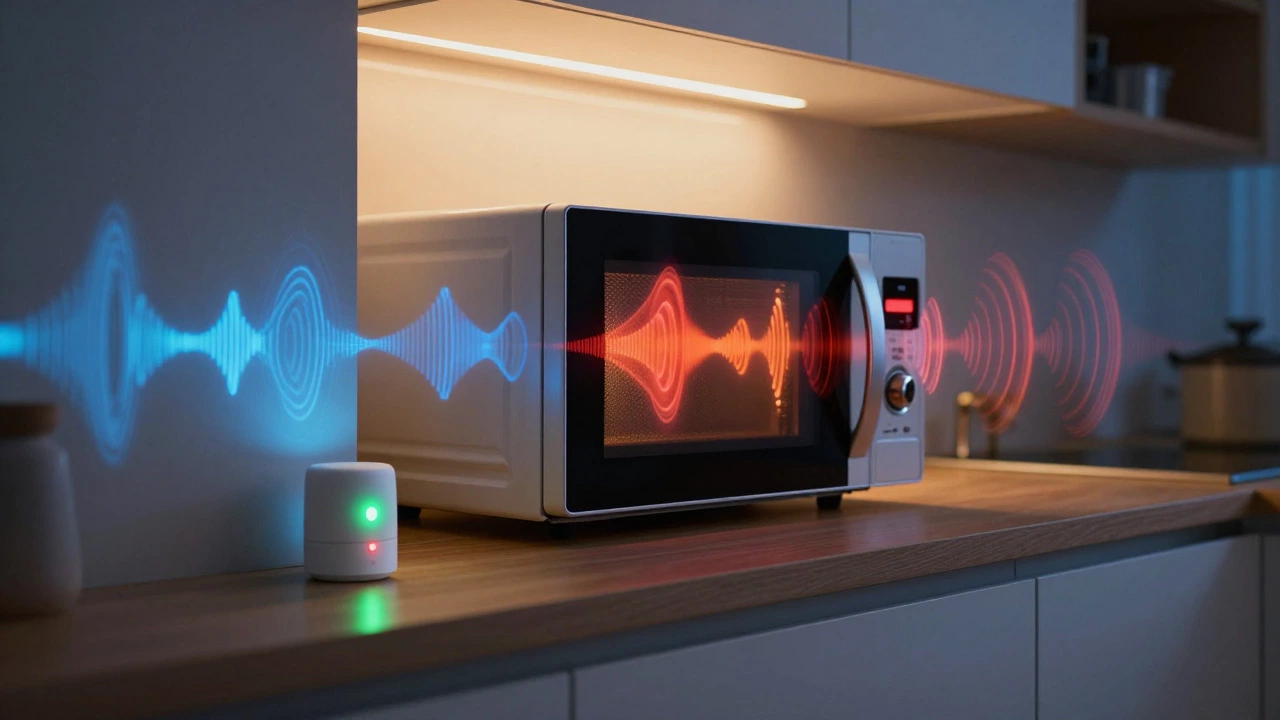
The most immediate frustration with wireless alarms is that they share the airwaves with everything else in your house. Unlike a copper wire that creates a dedicated tunnel for data, wireless signals broadcast openly. This makes them vulnerable to what experts call "noise" or interference. You might not think much about it, but your kitchen is a battlefield for radio frequencies. Microwave ovens operate on the same 2.4 GHz band as many older wireless sensors. When you heat up leftovers, you're literally blasting electromagnetic energy that can disrupt the signal between your motion detector and the main hub. It’s not just microwaves either. Bluetooth headphones, baby monitors, cordless phones, and even neighboring Wi-Fi networks compete for space in these crowded bands. Physical obstacles play a huge role too. A standard drywall is fine, but concrete, brick, or metal studs act like shields. If your garage door sensor is on one side of a thick masonry wall and the hub is in the living room, the signal strength drops significantly. In technical terms, this is attenuation. Real-world tests show that concrete walls can reduce signal strength by 25-30 decibels. That means your "secure" zone might have blind spots where the system simply doesn't hear the alarm trigger. This leads to false negatives-the scariest kind of failure. The sensor detects a break-in, sends the signal, but the interference scrambles it, and the hub never gets the message. You end up sleeping soundly while an intruder is already inside. For peace of mind, reliability shouldn't be a gamble against your toaster's settings.
2. Security Vulnerabilities and Jamming Risks
If interference is annoying, security breaches are dangerous. Because wireless signals travel through the air, they don't stop at your property line. They spill out into the street, making them accessible to anyone with the right equipment standing outside your fence. The biggest fear isn't necessarily someone hacking into your code (though weak passwords help them). It's jamming. A jammer is a relatively cheap device that blasts noise on the same frequency as your alarm system. Think of it like someone screaming loudly next to you so you can't hear what the person across the table is saying. If a criminal parks down the street and turns on a high-powered RF jammer, your wireless sensors go deaf. The system thinks everything is fine because it's not receiving any signals-not even the "all clear" heartbeats that sensors send periodically. While modern protocols like Zigbee and Z-Wave use encryption and hopping frequencies to make jamming harder, it's not impossible. Older WEP encryption could be cracked in minutes. Even newer standards have had vulnerabilities discovered over time. According to industry reports, wireless attack vectors account for a significant portion of network breaches because the medium is broadcast, not point-to-point. Eavesdropping becomes trivial if you have the hardware to capture those radio packets. Compare this to a wired system. To intercept a wired alarm signal, a thief has to physically cut into your house, find the specific cable, and splice into it without tripping the tamper switches. That takes time, tools, and risk. With wireless, they just need to stand outside and push a button. The barrier to entry for attacking a wireless system is much lower.

3. Battery Dependency and Maintenance Hassles
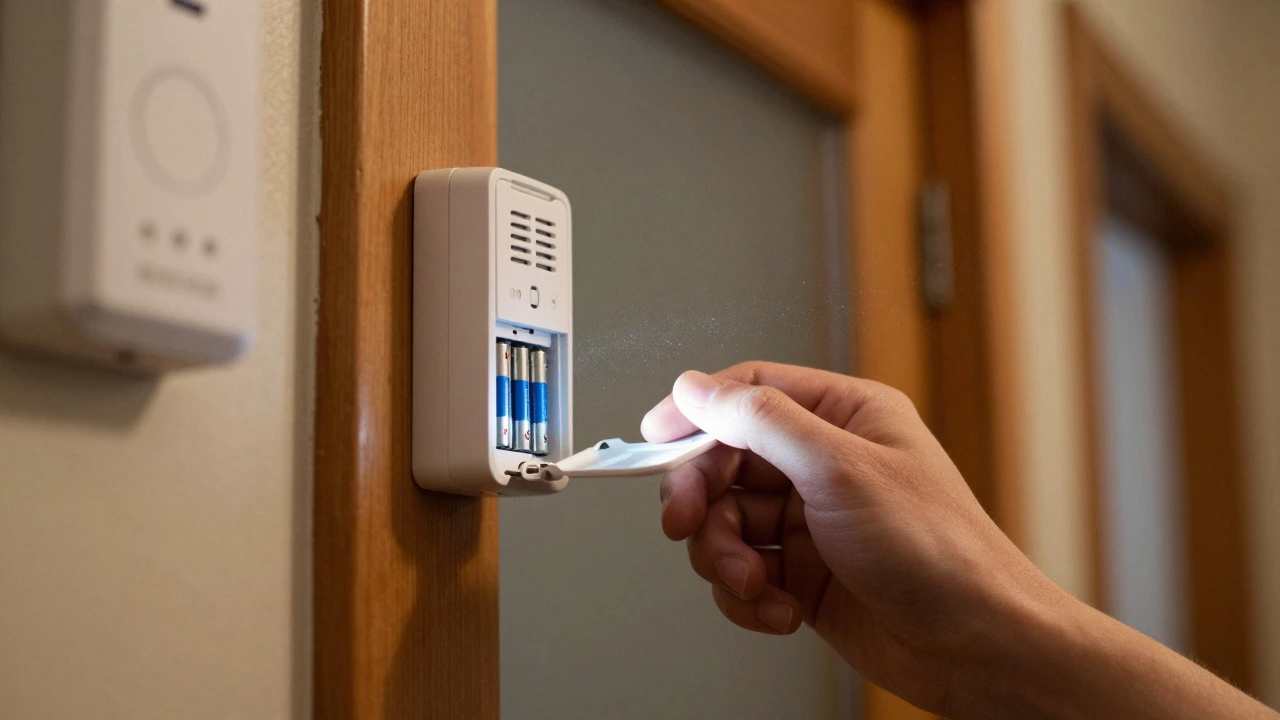
Wired devices get power from the grid. Wireless devices run on batteries. This seems like a minor detail until you realize that every single sensor-door contacts, window sensors, motion detectors, glass break sensors-needs its own power source. Batteries die. It’s inevitable. And when they do, your security gap opens up instantly. Most modern hubs will notify you via an app, but what if your phone is on silent? What if you’re traveling and miss the notification? What if the cellular backup also fails due to a storm? Replacing batteries isn't just a chore; it's a logistical nightmare in large homes. Imagine having 20+ sensors spread across two floors, the attic, and the basement. You have to climb ladders, reach behind heavy curtains, or remove trim pieces to access dead batteries. If you forget even one, that part of your perimeter is unprotected. There’s also the environmental cost. Thousands of lithium or alkaline batteries ending up in landfills every year adds up. Plus, extreme temperatures affect battery life. A wireless sensor in an unheated garage or attic during a harsh winter will drain much faster than one in a climate-controlled bedroom. You’ll find yourself replacing those outdoor batteries twice as often, adding ongoing costs and effort that wired systems simply don’t have.
| Feature | Wireless Alarm System | Wired Alarm System |
|---|---|---|
| Installation | Easy, DIY-friendly, no drilling | Complex, requires professional cabling |
| Reliability | Prone to interference (Wi-Fi, microwaves) | Highly stable, immune to RF noise |
| Security | Vulnerable to jamming and eavesdropping | Physically secure, hard to intercept |
| Maintenance | Regular battery replacements needed | Minimal, powered by mains electricity |
| Scalability | Easy to add new sensors anywhere | Difficult, requires new wiring runs |
How to Mitigate These Risks
If you’ve already committed to a wireless system-or if renting leaves you no choice-you can take steps to minimize these disadvantages. First, choose a system that uses dedicated radio protocols like Z-Wave or Zigbee rather than relying solely on Wi-Fi. These protocols are designed for low-power, mesh-networked devices and handle interference better than consumer Wi-Fi. Second, invest in a professional site survey. Don't guess where to place sensors. Use a signal strength meter to ensure every sensor has a strong link to the hub. Place repeaters or range extenders strategically to bridge gaps caused by thick walls. Third, enable tamper alerts. Most good wireless sensors have internal switches that trigger if the cover is removed. This helps catch both thieves trying to disable your system and your own forgotten battery changes. Finally, consider a hybrid approach. Many modern systems allow you to mix wired and wireless components. Keep your critical entry points (front door, back door) on wired connections if possible, and use wireless for less critical areas like interior motion detectors or pet-immune sensors.
Can a microwave really stop my wireless alarm?
Yes, especially if your system operates on the 2.4 GHz frequency. Microwaves leak small amounts of radiation in this band, which can create enough "noise" to interfere with nearby wireless sensors. Modern systems using 900 MHz or Z-Wave are less susceptible, but proximity still matters.
Are wireless alarm systems easier to hack than wired ones?
Generally, yes. Wireless systems are vulnerable to jamming and signal interception from outside the home. Wired systems require physical access to the building and the specific cables, making them much harder to compromise without detection.
How often should I replace batteries in wireless sensors?
Typically every 1-2 years, depending on usage and temperature. Sensors in extreme heat or cold may drain faster. Always check manufacturer recommendations and monitor your app for low-battery warnings.
What is the best way to prevent signal interference?
Use a system with a mesh network (like Z-Wave) where sensors relay signals to each other. Avoid placing the hub near large metal objects, microwaves, or routers. Conduct a signal test during installation to identify dead zones.
Is a hybrid wired/wireless system worth it?
For maximum reliability, yes. Using wired connections for primary entry points ensures critical alerts are never lost to interference, while wireless sensors provide flexibility for interior monitoring and hard-to-wire locations.