
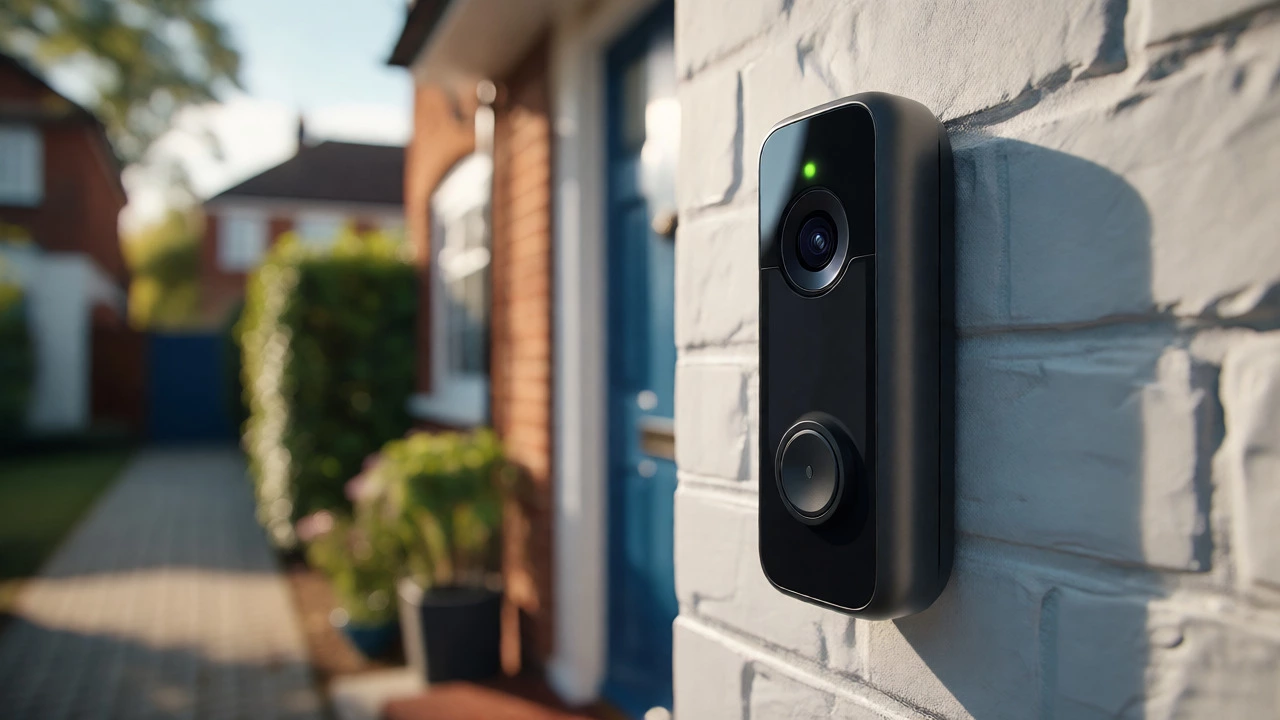
UK Ring Doorbell Evidence Admissibility Checker
Enter details about your incident and camera setup to estimate the strength of your evidence and potential privacy liabilities under UK law (UK GDPR & Data Protection Act 2018).
Incident Details
Camera Configuration
Evidence Strength Score
--
Admissibility Rating
Privacy & Legal Risk Level
Compliance Checklist & Recommendations
You just heard a knock at the door, or maybe you saw someone lingering near your bins. You check your phone and see that your Ring doorbell caught it all. But here is the million-dollar question: if this turns into a police report or a neighbour dispute, will a judge actually look at that footage? Or will they toss it out because of privacy rules?
The short answer is yes, but with big caveats. As of 2026, Ring doorbell recordings are generally admissible in both criminal and civil courts in the UK. They are not automatically banned. However, how you use them, where you point them, and whether you record audio can determine whether that footage helps your case or gets you sued for harassment.
| Factor | Impact on Evidence | Risk Level |
|---|---|---|
| Video Clarity | High definition makes identification easier; strong probative value. | Low |
| Audio Recording | Continuous audio over long distances often breaches privacy laws. | High |
| Field of View | Capturing neighbours' private gardens increases legal risk. | Medium |
| Data Protection Compliance | Failure to follow ICO guidelines can lead to counterclaims. | Medium |
Why Courts Accept Smart Doorbell Footage
UK courts do not have a blanket rule excluding home surveillance video. Instead, they look at relevance and fairness. If your Ring doorbell captured a burglar’s face or a delivery driver stealing a parcel, that footage is highly relevant. The prosecution or plaintiff needs to prove what happened, and a clear video timestamped to the second does exactly that.
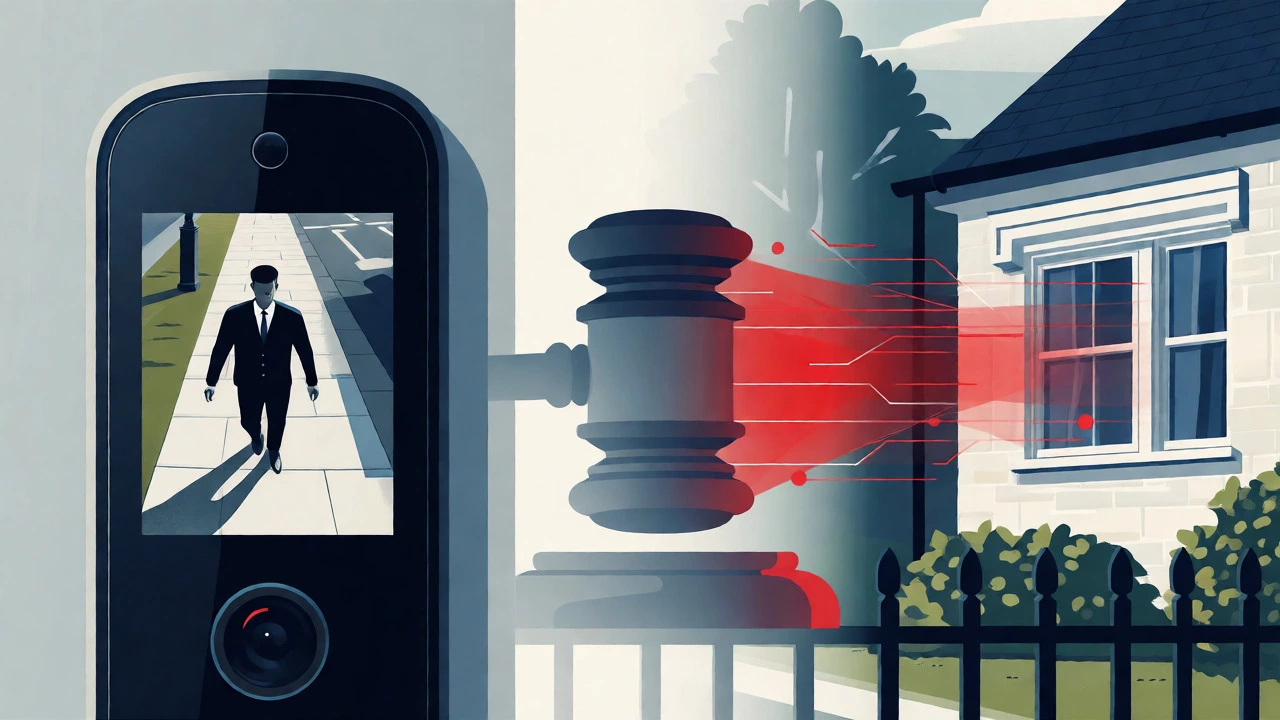
In criminal cases, the main hurdle is Section 78 of the Police and Criminal Evidence Act 1984 (PACE). This section allows judges to exclude evidence if admitting it would make the trial unfair. For example, if the police tricked you into handing over footage without proper procedure, they might challenge its admission. But simply recording from your own front porch? That rarely counts as "unfair." In the 2023 case Thandi v Sevenoaks Magistrates’ Court, the defence tried to block Ring footage recorded by a neighbour. The magistrates refused, and the Administrative Court agreed. The logic was simple: the footage existed, it was authentic, and using it didn't render the proceedings unfair.
Civil cases work slightly differently under the Civil Evidence Act 1995. Here, the bar is lower. Judges accept these recordings as factual proof of conduct. Whether it’s proving that a neighbour shouted abusive language or that a contractor damaged your fence, the video speaks for itself. The key is authentication-you need to show the file hasn’t been edited or tampered with since it was recorded.
The Fairhurst v Woodard Warning
You cannot talk about Ring doorbells in the UK without mentioning Fairhurst v Woodard. This 2021 Oxford County Court case changed how we view smart doorbells. Dr Mary Fairhurst sued her neighbour, Jon Woodard, claiming his four cameras-including an Amazon Ring-harassed her and breached data protection laws. The judge, Melissa Clarke, ruled in Fairhurst's favour regarding privacy, but crucially, she used the very same Ring footage to establish the facts of the case.
This creates a paradox. Your Ring footage can be powerful evidence against someone else, yet simultaneously be the reason you get sued for invading their privacy. In Fairhurst, the court found that while video capture of someone walking past on the street was acceptable, the continuous audio recording was excessive. The Ring device could pick up conversations from over 50 feet away. Judge Clarke held that this level of audio surveillance went beyond legitimate crime prevention and intruded on Dr Fairhurst’s private life.
So, when you install a Ring, you are balancing two things: gathering evidence for security and respecting your neighbours' rights. If you point your camera directly at a neighbour’s front door and record every conversation they have, you might win a theft claim but lose a harassment suit.
Data Protection Rules You Must Follow
Since Brexit, the UK has its own version of GDPR, known as UK GDPR, alongside the Data Protection Act 2018. The Information Commissioner’s Office (ICO) explicitly classifies smart doorbells as video surveillance systems. This means they process personal data. If your camera only looks at your own property and the immediate doorstep, you might fall under the "household exemption," which relaxes some rules. But this exemption is narrow.
If your Ring captures public pavements, shared driveways, or parts of neighbouring homes, you are likely processing personal data beyond purely domestic purposes. To stay compliant and keep your evidence usable, follow these practical steps:
- Adjust Motion Zones: Use the Ring app to mask areas you don’t need to monitor. Exclude your neighbour’s windows and garden paths.
- Limit Audio: Consider turning off audio recording entirely if possible, or ensure it only activates during specific events rather than continuously.
- Post Signage: Put up small signs stating that CCTV is in operation. This informs visitors and neighbours that they are being recorded, satisfying transparency requirements.
- Manage Retention: Don’t store clips forever. Delete old footage regularly unless it relates to an ongoing incident. Keeping thousands of irrelevant clips increases your liability.
Ignoring these rules doesn’t necessarily make your evidence inadmissible, but it opens you up to complaints to the ICO or civil claims for distress and damages. As of late 2026, the ICO continues to update guidance, emphasizing that proportionality is key. Your surveillance should be no more intrusive than absolutely necessary.
How to Preserve Your Evidence Properly
Having the right setup is one thing; preserving the proof is another. Digital files can be fragile. If you plan to use Ring footage in court, you must maintain its integrity. Here is a checklist for handling evidence:
- Download Original Files: Do not rely solely on screen recordings from your phone. Download the actual MP4 files from the Ring cloud storage.
- Keep Metadata Intact: Ensure the file retains its embedded timestamps and GPS data if available. This proves when and where the event occurred.
- Avoid Editing: Never crop, enhance, or edit the clip before submitting it. Submit the raw file. If you need to highlight something, create a separate annotated copy, but keep the original untouched.
- Document Chain of Custody: Note down who accessed the footage, when it was downloaded, and who it was shared with. If the police request it, record the date and the officer’s name.
Cloud storage adds a layer of complexity. Ring stores data on Amazon servers. While convenient, it means you don’t physically hold the master copy. If your subscription lapses, you might lose access to older clips. Always back up critical incidents to a local hard drive immediately after they occur.
Common Misconceptions About Ring Evidence
Many homeowners assume that because they bought a consumer gadget, they can do whatever they want with it. That is false. Another myth is that audio is always safe to record. It isn’t. Recording private conversations without consent can breach privacy laws, especially if the audio range extends into a neighbour’s home.
Some people think that if they didn’t sign a contract with their neighbour, they don’t owe them any duty of care. Wrong. Under UK law, you have a duty not to cause nuisance or harassment. Continuous surveillance that makes a neighbour feel watched can constitute a tortious act. Conversely, others fear that sharing footage with the police violates GDPR. It doesn’t. Sharing data for the prevention and detection of crime is a valid lawful basis under Article 6 of UK GDPR.
Finally, there is the belief that dummy cameras are safer legally. While they avoid data protection issues, they also provide zero evidence. A functioning Ring provides both deterrence and proof. The goal is to find the middle ground: effective security that respects boundaries.
Practical Scenarios: When Will It Help?
Let’s look at real-world situations to see how this plays out.
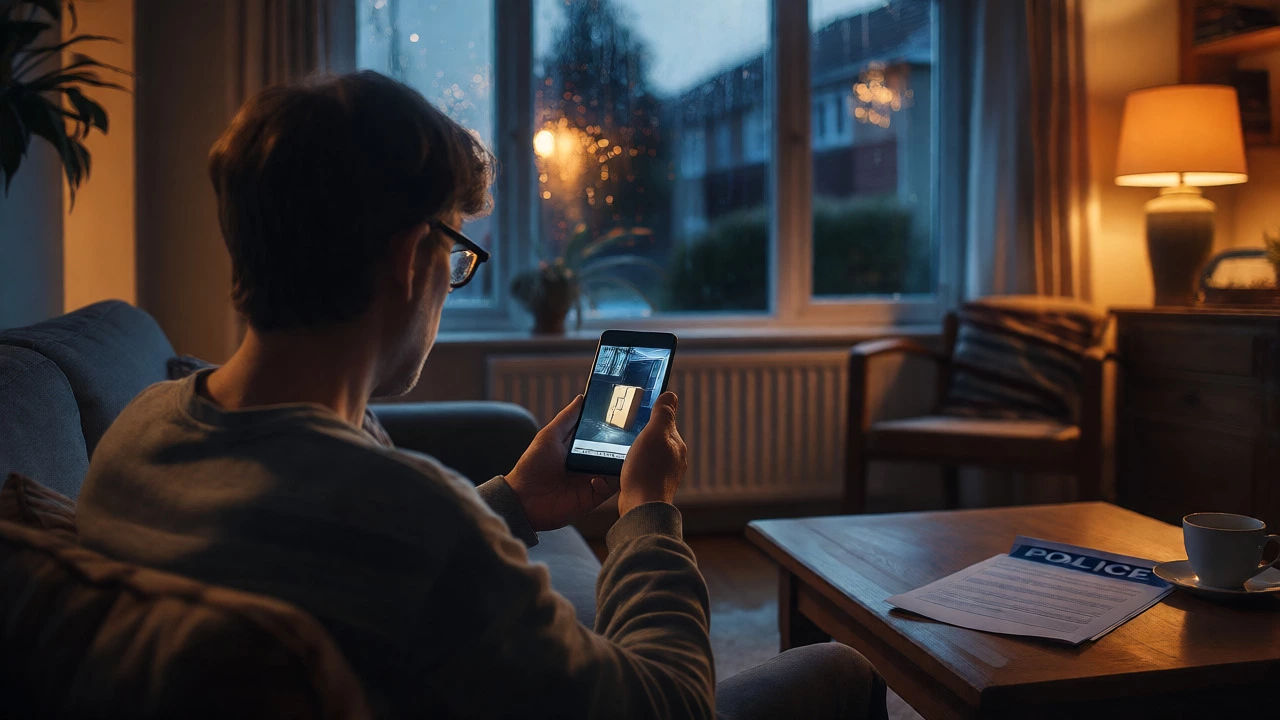
Scenario 1: Parcel Theft. A courier leaves a package on your step, and someone grabs it ten minutes later. Your Ring captures the thief’s face and vehicle plate. You send this to the police. Because the event happened in a semi-public space (your doorstep/pavement), the video is strong evidence. The likelihood of successful prosecution is high, provided the image quality is good.
Scenario 2: Neighbour Dispute. Your neighbour’s dog keeps entering your garden. You set up a Ring to catch the moment it crosses the boundary. If you also record audio of your neighbour shouting insults at you through their window, you have video evidence of trespass and audio evidence of potential harassment. However, if your camera points directly into their living room window, they could argue you are spying on them inside their home, weakening your position.
Scenario 3: Anti-Social Behaviour. Teenagers vandalise your fence at night. Your motion-activated camera catches them. Since vandalism is a criminal offence, the footage is vital. The fact that it was recorded by a private citizen doesn’t matter; the content matters. Just ensure you haven’t altered the time settings on your device, as inconsistent timestamps can cast doubt on authenticity.
Looking Ahead: Regulatory Changes
The landscape is shifting. The Data (Use and Access) Act, which impacts various digital regulations, is causing the ICO to review its smart doorbell guidance. We may see stricter rules on how commercial entities share doorbell data with police. For now, the advice remains consistent: configure your device minimally, communicate openly with neighbours, and treat your footage as official evidence once an incident occurs.
Using a Ring doorbell as evidence in the UK is viable and increasingly common. It offers a clear, timestamped record of events that traditional witnesses cannot match. But it comes with responsibility. Respect privacy limits, manage your data carefully, and you can turn that little green light into a powerful tool for justice.
Is it illegal to point a Ring doorbell at a neighbour's house?
It is not strictly illegal, but it can be unlawful under data protection laws if it excessively captures private areas like gardens or windows without consent. The Fairhurst v Woodard case showed that incidental capture of a public pavement is fine, but continuous monitoring of a neighbour’s private space can lead to harassment claims and GDPR breaches.
Do I need to tell my neighbours I have a Ring doorbell?
While not always legally mandatory for purely domestic use, it is best practice. Posting a visible sign indicating CCTV is in operation helps meet transparency obligations under UK GDPR and reduces the chance of disputes arising from surprise or feeling surveilled.
Can the police force me to hand over Ring footage?
Police can request footage, and most people comply voluntarily. If they insist, they may obtain a warrant or production order. Refusing without good reason can sometimes be problematic, but generally, sharing footage for crime prevention is considered a lawful basis for processing data.
Does audio recording affect the admissibility of Ring evidence?
Audio can complicate matters. While video is usually accepted, continuous audio recording of private conversations outside your property may breach privacy laws. Courts may still admit the audio as evidence if it is relevant, but you risk facing counterclaims for invasion of privacy or data protection violations.
What happens if I delete the footage before giving it to the police?
Deleting relevant footage can harm your credibility. If the footage was requested or likely to be needed for an investigation, deleting it might be seen as destroying evidence. Always download and back up clips related to an incident before allowing them to expire from cloud storage.