
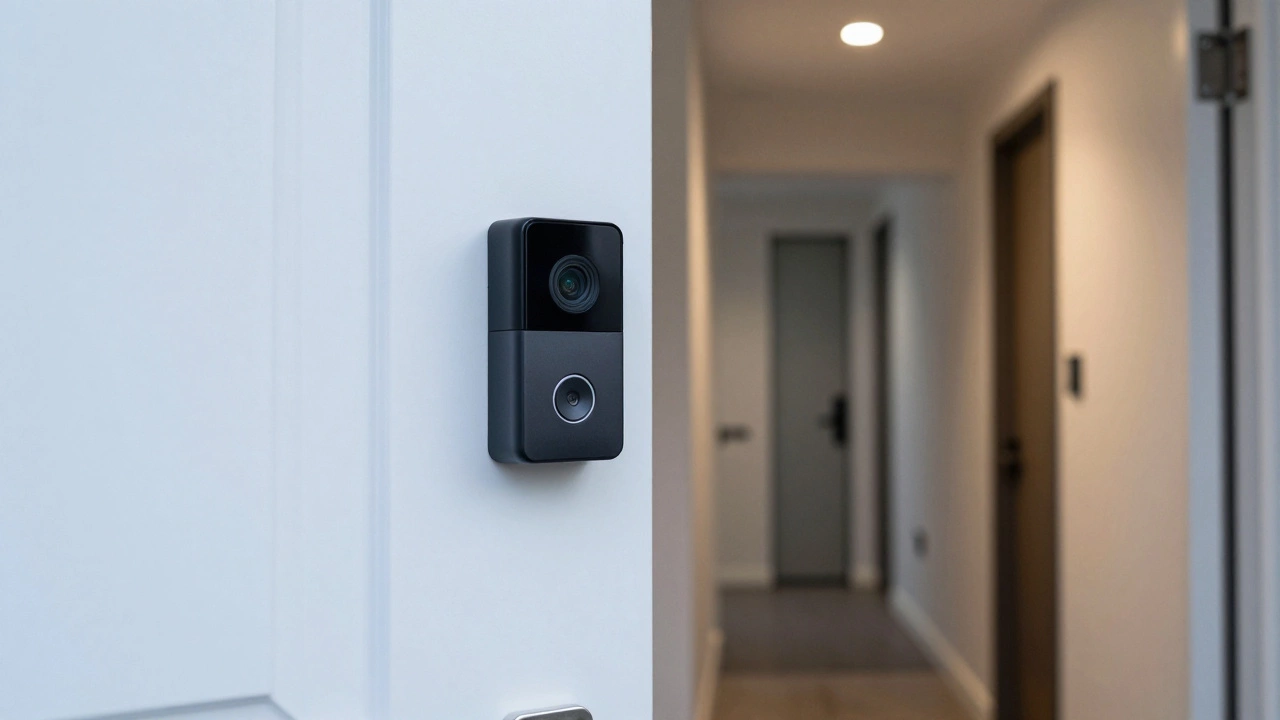
UK Flat Ring Doorbell Compliance Checker
This determines if you are subject to strict communal space laws.
Your Compliance Report
ICO Registration Status
Analysis pending...
Recommended Actions:
Imagine installing a sleek new Ring doorbell on your front door, only to receive a stern letter from your building’s management company demanding its removal. It sounds like a nightmare scenario, but for many people living in flats across the United Kingdom, this is a very real risk. The short answer to whether you are allowed a Ring doorbell in a flat is: it depends entirely on where it points and what your lease says.
Unlike houses with private gardens, flats often share entrances, corridors, and lobbies. This shared space changes everything. A device that is perfectly legal in a detached home can become a breach of privacy law or a violation of your tenancy agreement in an apartment block. If you are thinking about buying one, you need to understand the intersection of data protection laws, housing contracts, and neighbourly rights before you drill a single hole.
The Core Issue: Private Property vs. Communal Spaces
To understand why flats are different, we have to look at what a video doorbell is a smart security device that records audio and video of the area outside a door. In a house, if your camera only sees your driveway and garden, you are generally covered by the "household exemption" under UK data protection laws. This exemption means you don't have to register with regulators because the footage is considered purely personal.
However, in a flat, your front door usually opens onto a shared corridor, a lift lobby, or a communal stairwell. When your camera captures these areas, it is recording other residents, their guests, and delivery drivers who do not belong to your household. At this point, the household exemption disappears. You are no longer just a homeowner protecting your property; you are potentially acting as a data controller processing the personal information of others.
This distinction is critical. If your lens captures even a small part of a shared hallway or a neighbour's doorframe, you step out of the safe zone of domestic privacy and into the regulated world of surveillance. The key question isn't just "is it legal to own one?" but "is it legal to film this specific angle?"
Data Protection Laws and the ICO Registration Trap
Once you start filming communal areas, the UK General Data Protection Regulation (UK GDPR) is the primary law governing how personal data, including images and audio, is handled in the UK comes into play. Under these rules, if you capture identifiable individuals in shared spaces, you may be required to register with the Information Commissioner's Office (ICO) is the UK's independent body set up to uphold information rights in the public interest.
Many people assume they can ignore this because they are just one person, not a business. But the ICO treats anyone systematically monitoring public or shared areas as a data controller. This means you might need to pay an annual data protection fee, which is currently £35 for the lowest tier. More importantly, you must comply with strict duties:
- Transparency: You must inform people that they are being recorded. This usually means putting up clear signage near the entrance.
- Data Minimisation: You should only record what is strictly necessary. Filming the entire corridor when you only need to see who knocks on your door is excessive.
- Retention: You cannot keep footage forever. You must delete it after a reasonable period unless it is needed for evidence.
- Subject Access Requests: If a neighbour asks to see footage of themselves, you are legally obliged to provide it within a specific timeframe.
Failing to follow these rules can lead to fines and complaints. Even if you don't get fined immediately, the administrative burden of managing these requests can quickly turn a simple security gadget into a headache.
The Fairhurst v Woodard Precedent: Why Audio Matters
If you think visual recording is the only issue, think again. The most important legal case for understanding smart doorbells in the UK is Fairhurst v Woodard, decided in October 2021. This case involved two neighbours, Dr Mary Fairhurst and Mr Jon Woodard. Mr Woodard had installed multiple cameras, including a Ring doorbell, around his property.
The court found that while the visual coverage was somewhat limited, the continuous audio recording was highly intrusive. The microphone picked up conversations from the street and neighbouring properties. The judge ruled that this combination of wide-angle video and persistent audio constituted harassment and a breach of data protection laws. Mr Woodard was ordered to remove the devices and pay damages.
Why does this matter for flat dwellers? Because flats are closer together. Sound travels easily through shared walls and corridors. A Ring doorbell with active audio recording in a flat can pick up private conversations happening right next door or in the hallway. Legal experts widely cite this case as a warning: turning off audio recording is not just a suggestion, it is a essential step to avoid being accused of oppressive surveillance.
Leasehold Agreements and Landlord Consent
Even if you navigate the data protection laws perfectly, you still face a contractual hurdle: your lease. Most flats in the UK are leasehold properties. This means you own the interior of the flat for a set number of years, but the freeholder owns the building structure, including the external walls, doors, and common parts.
Attaching a Ring doorbell to the outside of your front door often constitutes an alteration to the building's fabric. Many leases explicitly prohibit fixing items to the exterior without written consent from the freeholder or managing agent. Even if the device is battery-operated and uses adhesive rather than screws, it can still be seen as modifying a common part.
Furthermore, leases almost always contain covenants against causing nuisance or annoyance to other residents. If your doorbell alerts every time someone walks past, or if neighbours feel uncomfortable being filmed, the managing agent can enforce these clauses. They can demand removal of the device and may even recover legal costs from you if they have to take enforcement action.
Renting? The rules are similar. Your tenancy agreement likely restricts alterations. Always check your contract and ask your landlord for permission in writing before installing anything. Never assume that because it's easy to install, it's allowed.
Practical Steps to Install a Ring Doorbell Legally
If you decide to proceed, here is how to minimize risk and stay on the right side of the law and your lease:
- Check Your Lease First: Read the section on alterations and common parts. Look for clauses about CCTV or security devices. If it's unclear, email your managing agent and ask for written permission.
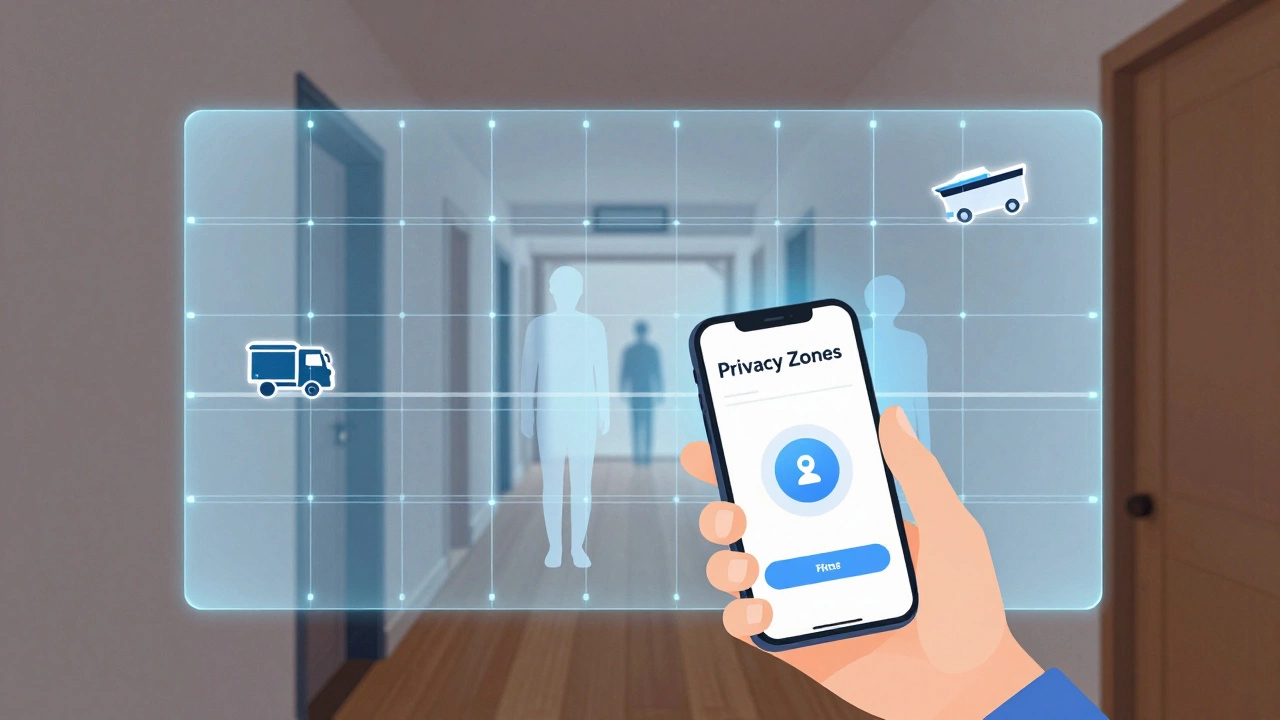
- Adjust the Field of View: Mount the camera so it focuses tightly on your door and immediate threshold. Use the app to set "privacy zones" that blur out the rest of the corridor, neighbours' doors, and any shared seating areas.
- Disable Audio Recording: Turn off the microphone feature in the settings. This significantly reduces the intrusiveness and aligns with the lessons from Fairhurst v Woodard.
- Use Motion Detection Wisely: Set the motion sensitivity low so it doesn't trigger for every person walking by. Focus only on activity directly in front of your door.
- Display Signage: If you must film a shared area, put up a small, discreet sign stating that CCTV is in operation. This fulfills the transparency requirement.
- Consider Alternatives: If your lease forbids external mounting, look for indoor models that can be placed inside the glass panel of your door, pointing outward. However, ensure the lens isn't distorted by the glass.
Comparison: House vs. Flat Installation Risks
| Factor | Detached/Semi-Detached House | Flat/Apartment |
|---|---|---|
| Household Exemption | Usually applies if filming only private garden/driveway. | Rarely applies due to shared corridors/lobbies. |
| ICO Registration | Generally not required. | May be required if communal areas are captured. |
| Audio Recording | Lower risk of capturing private conversations. | High risk of capturing neighbours' private talks. |
| Lease Restrictions | N/A (Freehold usually). | Strict consent required for external alterations. |
| Neighbour Disputes | Possible, but less frequent. | Common due to close proximity and shared space. |
What Happens If You Ignore the Rules?
Ignoring these guidelines can lead to serious consequences. Neighbours can complain to the managing agent, who may issue a formal notice requiring removal. If you refuse, they can seek an injunction from the court, forcing you to take it down and potentially making you pay their legal fees. Additionally, neighbours can file a complaint with the ICO. While the ICO rarely fines individuals for minor breaches, they can investigate and order you to stop processing data. In extreme cases of harassment, you could face civil lawsuits for damages, as seen in the Fairhurst case.
The goal of a smart doorbell is peace of mind, not legal battles. By respecting boundaries, configuring your device carefully, and communicating with your building management, you can enjoy the benefits of modern security without becoming a target for complaints.
Do I need to register my Ring doorbell with the ICO if I live in a flat?
If your Ring doorbell only films your private doorstep and does not capture any communal areas like hallways or shared lobbies, you likely fall under the household exemption and do not need to register. However, if it captures shared spaces where other residents pass through, you are likely acting as a data controller and should register with the ICO and pay the annual fee (currently £35 for individuals/small entities) to remain compliant with UK GDPR.
Can my landlord force me to remove a Ring doorbell?
Yes. Most leasehold agreements require consent for any alterations to the exterior of the property, including the front door frame. Since the door and surrounding structure are often owned by the freeholder, attaching a device without permission breaches your lease. Additionally, if the device causes nuisance or privacy concerns for neighbours, the landlord or managing agent can enforce covenant clauses to demand its removal.
Is it illegal to record audio with a Ring doorbell in a flat?
It is not automatically illegal, but it carries significant legal risks. Continuous audio recording in shared spaces can be deemed disproportionate and intrusive under data protection laws. Following the precedent of Fairhurst v Woodard, courts have viewed extensive audio surveillance as harassment. To stay safe, it is strongly recommended to disable audio recording features when installing a doorbell in a flat.
Can I use privacy zones to make my Ring doorbell legal in a flat?
Privacy zones help significantly by blurring out areas you don't need to monitor, such as neighbours' doors or shared seating areas. This supports the principle of data minimisation. However, using privacy zones alone does not exempt you from other obligations. You still need to check your lease for consent requirements and consider ICO registration if any part of a communal area remains visible.
What should I do if a neighbour complains about my Ring doorbell?
First, listen to their concerns. Often, adjusting the camera angle, tightening privacy zones, or disabling audio can resolve the issue. If the complaint persists, consult your lease and consider seeking advice from a solicitor or the Information Commissioner's Office. Ignoring complaints can escalate to formal disputes, potential injunctions, or harassment claims, which are costly and stressful.