
Wireless Camera Setup Wizard
Not sure which untethered camera fits your property? Answer these 4 questions to get a personalized recommendation.
Where will you install the camera?
Indoor
Garage, entryway, rental room.Outdoor - Sunny
Driveway, fence line, exposed areas.Outdoor - Shaded
Under eaves, thick foliage, north-facing shade.How much direct sunlight does the spot get?
Is there reliable internet nearby?
Home Wi-Fi Available
Standard router connection.Cellular / 4G LTE Only
Remote site, no broadband.Offline Storage Only
Just want to view footage later on SD card.Recommended Solution:
Solar Hybrid
Perfect balance of autonomy and power.
Estimated Monthly Maintenance:
This estimate assumes standard motion activity.
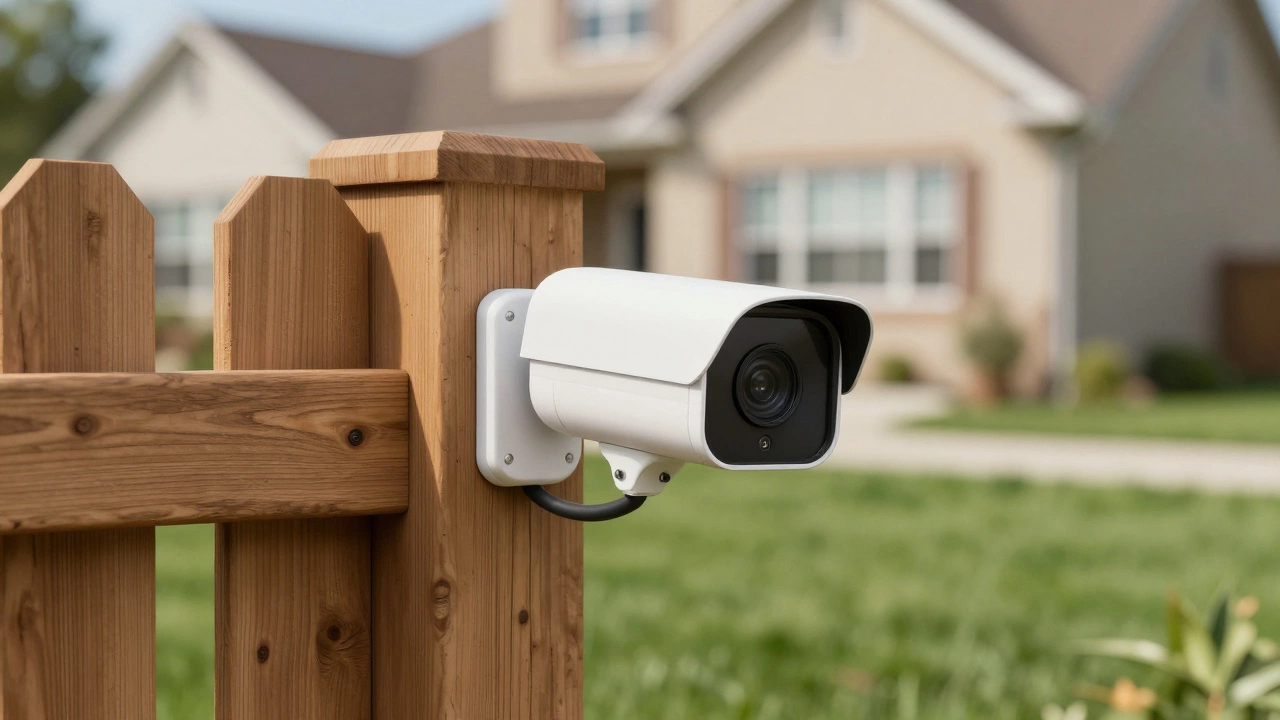
Yes, there absolutely is a CCTV camera that operates without being plugged into a traditional electrical socket. You might have seen one mounted on a wooden fence post in Adelaide where there was no visible wire running back to the house. In fact, relying on the main grid for security is becoming outdated. Storms hit our coast frequently here in South Australia, and when the lights go out, standard wired systems often go dark too. Unless you have a UPS backup, your footage stops recording right when you need it most. That is why modern surveillance options now rely on internal storage and alternative energy.
How Do These Cameras Run Without an Outlet?
The technology isn't magic; it's engineering centered around efficiency. Most power-free cameras use Lithium-Ion batteries high-capacity rechargeable cells similar to those found in smartphones. These batteries sit inside the housing and provide the juice needed to process video and transmit alerts. However, simply having a big battery isn't enough because sending live video drains power fast. To solve this, manufacturers use smart sensors. Instead of recording 24/7 like an old-school DVR, the camera sleeps. It stays dormant until a motion sensor triggers it. This standby mode allows devices to last months on a single charge rather than days.
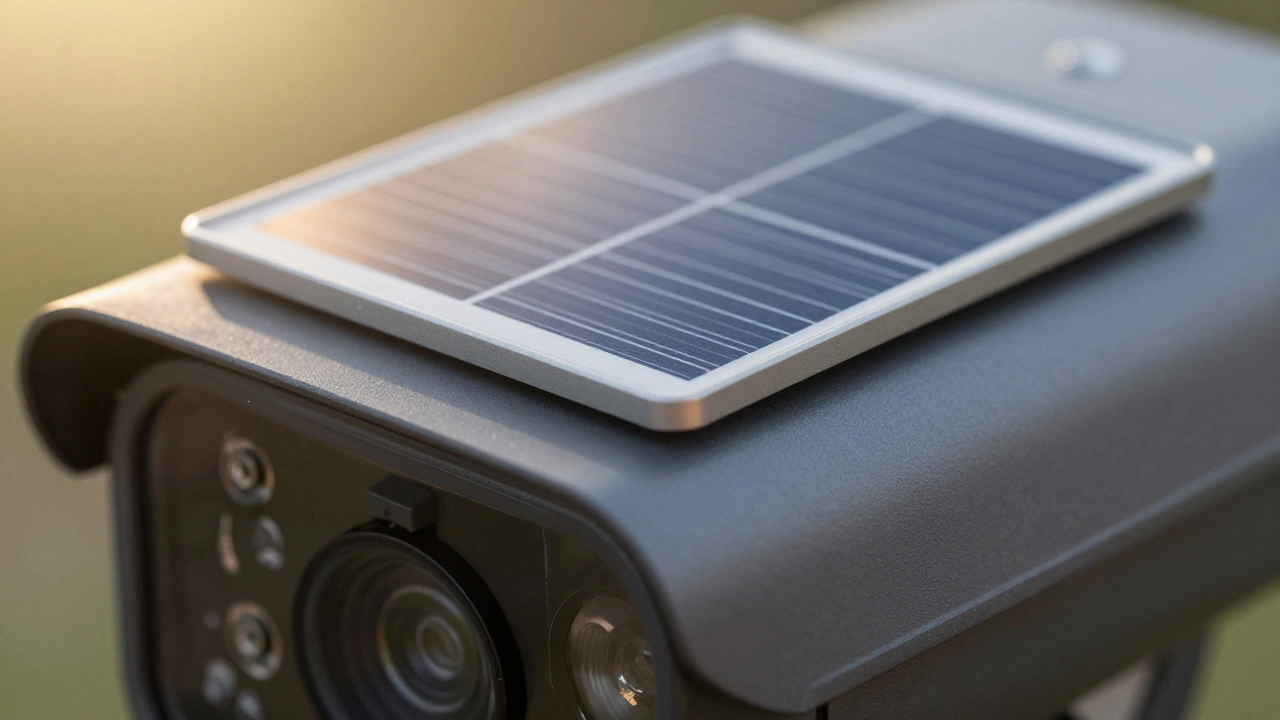
Another option gaining popularity is the solar hybrid model. These units look similar to battery cameras but come with a small Solar Panel Array. The panel sits on top of the unit and captures daylight to replenish the battery. As long as you place it where the sun hits it regularly, you effectively have unlimited power. This setup is ideal for rural properties where drawing a cable hundreds of meters to a shed is expensive or impossible. The hybrid approach ensures the camera keeps working through cloudy winter days because the battery bank buffers the low light periods.
Battery Versus Solar: Which Fits Your Needs?
Choosing between pure battery power and a solar-assisted system depends largely on your environment. If you are installing indoors, like in a garage or rental room, a simple battery-powered unit makes sense. You can plug it in to recharge every few months, and the placement is flexible since you aren't hunting for outlets. However, outdoor scenarios usually favor solar. Consider a driveway perimeter gate where sunlight is abundant. A solar camera there will rarely need human intervention.
| Feature | Battery Only | Solar Hybrid | Traditional Wired |
|---|---|---|---|
| Power Source | Rechargeable Li-Ion | Solar + Battery | Mains Electricity |
| Maintenance | Remove to charge | Rarely touched | Plug-and-play |
| Best Location | Indoor or Shaded Outdoor | Sunny Outdoor Areas | Near Wall Outlets |
| Outage Resilience | High (keeps working) | Very High | Low (needs UPS) |
Connectivity Without Power: Wi-Fi and 4G Options
Running a camera without electricity is only half the battle; you also need to get the video out of the house. Standard models connect via Wi-Fi. As long as your router is active, the camera pushes notifications to your phone. But what happens when the power cut takes out your internet router too? That is a common point of failure in many home setups. To fix this, some advanced cameras support 4G LTE connectivity cellular network connection independent of local Wi-Fi. You pop a SIM card into the device, and it sends data directly through the mobile network towers. This is crucial for remote sites, construction zones, or holiday homes where broadband infrastructure doesn't exist. While cellular plans cost a bit extra per month, the peace of mind during total blackouts is worth it for high-risk assets.
Understanding Smart Features and Storage
A major concern people have is where the video actually goes. Does it disappear if the power fails? Most modern battery cameras store footage locally first. They use a Micro SD Card internal memory storage module slotted directly into the device. This means even if the internet dies, the clip is saved on the card. When you eventually charge the camera or swap cards, the evidence remains safe. Some users prefer cloud storage, which backs up clips remotely, but that requires constant internet access. A hybrid approach-local storage for safety, cloud for quick alerts-is often the sweet spot.
Smart detection plays a huge role in saving battery life. Older motion sensors reacted to swaying trees or passing cars constantly, draining the battery weekly. Newer systems utilize edge AI processing. The camera analyzes the video frame internally and decides if the movement is a human, a vehicle, or an animal before it even wakes the transmitter. This significantly extends runtime. You won't get flooded with false alarms about a leaf blowing across the driveway, and your battery stays full longer. Expect models today to offer 3 to 6 months of operation before needing a recharge, depending on activity levels.
Reliable Brands in the Market
The market has matured significantly over the last few years. Several major manufacturers now specialize in these untethered solutions. Ring is perhaps the most recognizable name for outdoor battery applications, known for user-friendly apps. Blink often provides the most affordable entry point for people on a budget who want basic monitoring. For those needing professional integration, ADT offers monitored battery options suitable for whole-home security contracts. Reolink stands out for technical features, offering higher resolution sensors and robust build quality. Lorex creates complete wireless ecosystems including NVRs that work without direct wiring. Finally, SimpliSafe focuses heavily on DIY ease, making setup accessible for anyone avoiding contractor costs. Each brand handles the core logic differently, so checking compatibility with your current smart home hub is wise.
Practical Installation Tips for Adelaide Homes
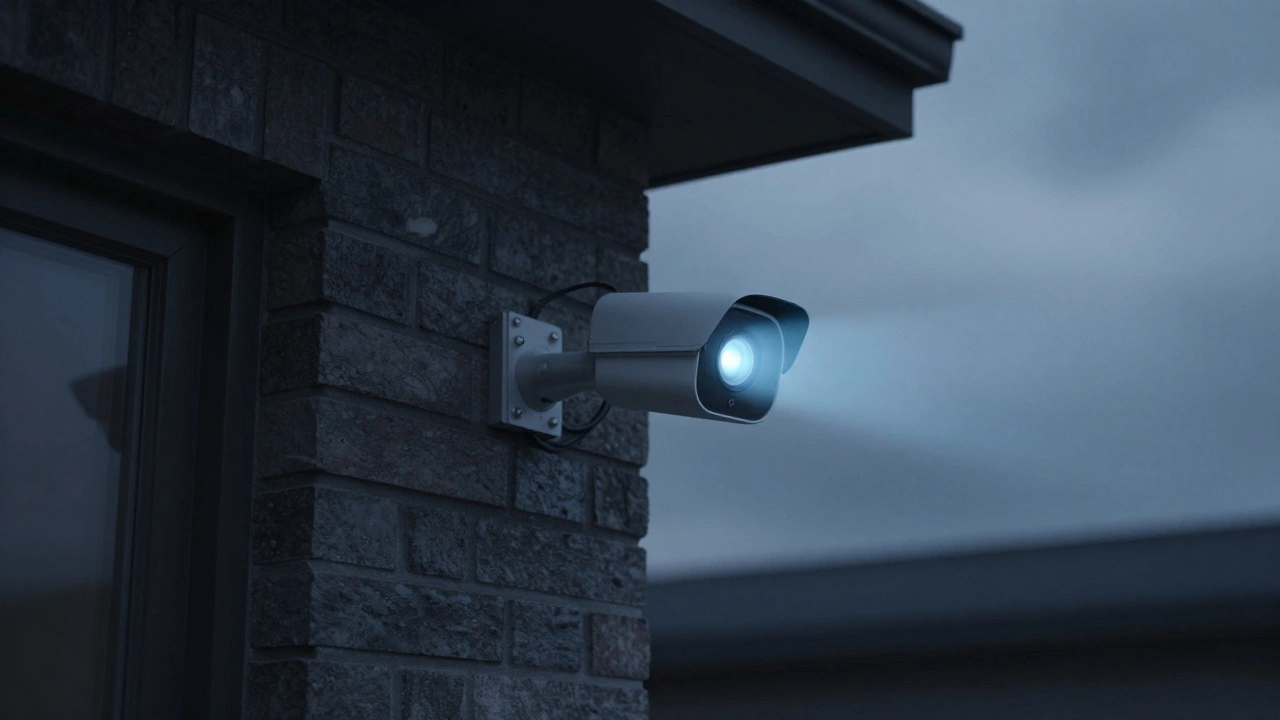
Living here in Adelaide, we deal with intense summers and occasional heavy storms. Weather resistance becomes non-negotiable. Look for a camera rated IP64 or higher. This rating ensures water cannot penetrate the casing, protecting the electronics from sudden downpours. Angle matters significantly too. When placing a solar unit, face it North to maximize exposure to the sun throughout the day. If shading occurs during peak hours, the battery won't fully charge, leading to gaps in recording. Test your placement with a smartphone flashlight to check night vision range; most claim 10-meter reach, but thick foliage can block infrared beams. Also, consider height. Placing cameras near ground level allows easier access for charging but increases theft risk. Mounting slightly above head height balances security and convenience.
Maintenance and Long-Term Costs
Unlike wired cameras that run indefinitely once installed, these devices require periodic care. Plan a schedule to check battery levels monthly. During harsh winters, lithium chemistry performs slightly less efficiently due to temperature drops, so indoor recharging helps longevity. If using a solar model, wipe down the glass panel occasionally. Dust accumulation reduces power harvesting efficiency. Many users forget to check their physical connections; ensure screws and mounting brackets are tight after high wind events. While the upfront hardware cost is often higher than a cheap wired cam, the elimination of electrician fees for conduit work saves substantial money overall. Calculating the total cost of ownership reveals that battery systems become cheaper over time if you avoid rewiring walls entirely.
Do battery cameras work during a power outage?
Yes, they function independently of the mains grid. Since they run on internal batteries, they continue recording when your house loses power. However, if the camera relies on Wi-Fi, ensure your router has a battery backup too, otherwise, you won't receive mobile alerts.
How long does a battery last without charging?
Typically between 3 to 6 months on a single charge. Usage patterns vary this greatly. Constant motion detection or high-resolution streaming drains power faster, while smart scheduling and lower sensitivity extend life.
Can I use these cameras if I am renting?
Absolutely. Renters love these because they require no drilling or permanent wiring. You can stick them to surfaces with adhesive mounts and remove them easily when moving out. Just return the property to its original state.
Is night vision included on battery models?
Most reputable models include infrared LEDs for night vision. Look for a range of at least 10 meters. Some newer versions offer "Starlight" sensors that record in color even in very low light, though this uses slightly more power.
What is the difference between 4G and Wi-Fi cameras?
Wi-Fi connects to your home internet, while 4G connects via a SIM card like a phone. 4G is more reliable during power cuts and better for remote locations without broadband, but it requires a data subscription plan.