
Smart Doorbell Recommendation Tool
Answer a few quick questions to find the best power setup for your home.
Do you own your home or are you renting?
Your Recommendation:
Why this fits you:
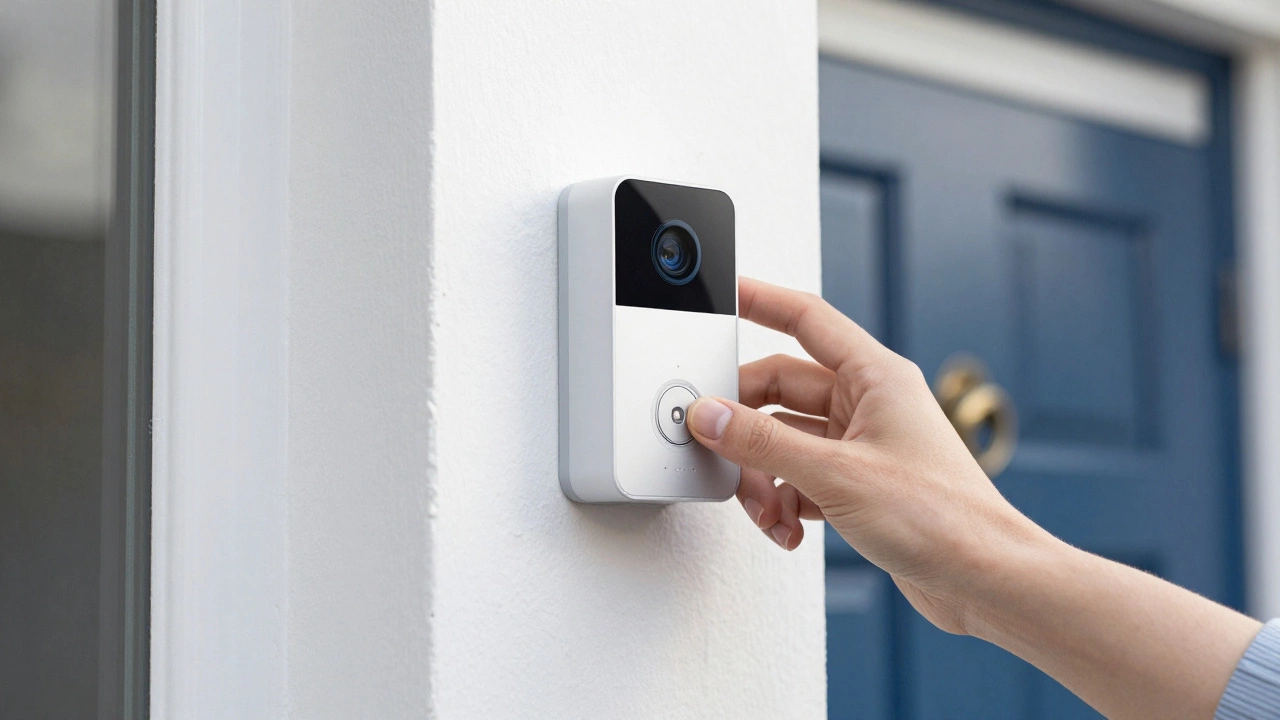
You're looking at a sleek new video doorbell online, but then you see the installation section and panic. Do you actually need to rip open your walls or hire an electrician just to see who's at the door? The short answer is: it depends on the model you buy. Some are completely wire-free, while others need a constant stream of electricity to keep their fancy features running. If you're in a rental or just hate the idea of messing with your home's electrical board, there's good news-you have plenty of options that don't involve a single copper wire.
The Lowdown on Battery-Powered Doorbells
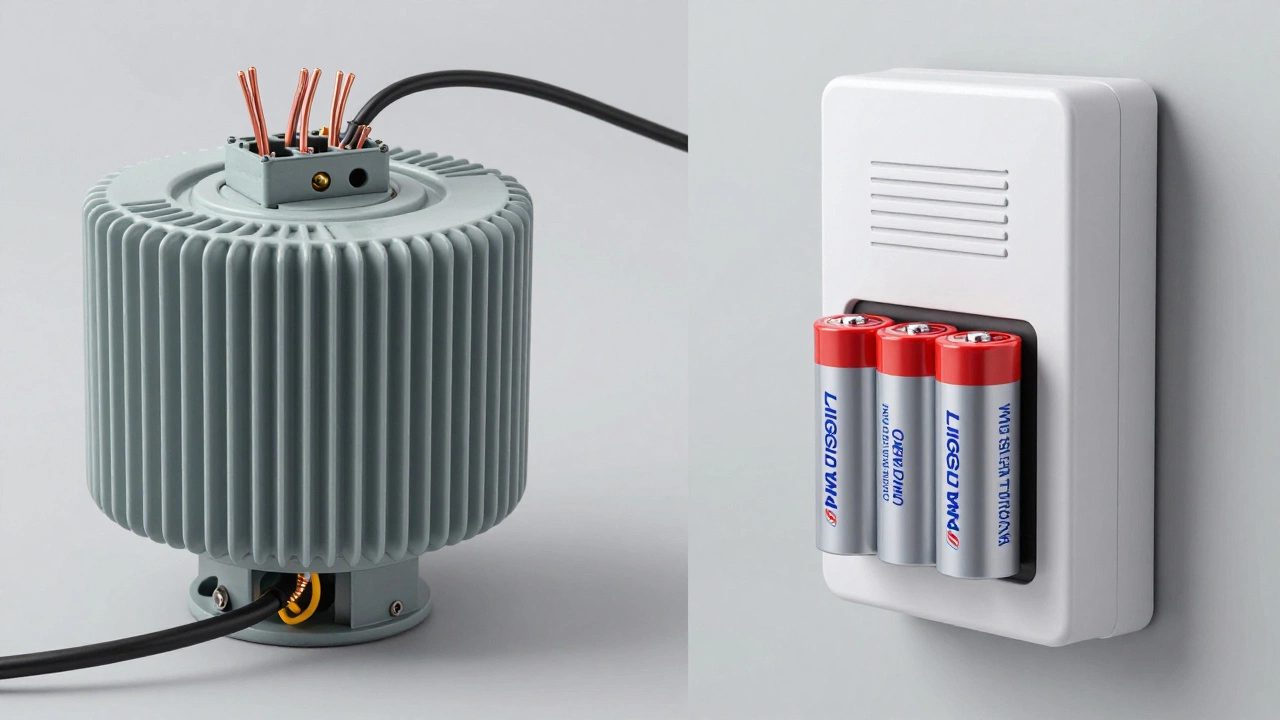
If you want a "plug and play" experience, go for a battery-operated model. These are the ultimate choice for renters or anyone living in an older home where the existing wiring is a mystery. You aren't tethered to any electrical box; you simply mount the device to your wall and connect it to your Wi-Fi.
Installing one is usually as simple as charging the battery-which typically takes between 4 to 8 hours-and screwing the bracket into your doorframe. Some brands even offer heavy-duty adhesive strips if you can't drill into your walls. However, the trade-off is maintenance. You'll likely need to take the doorbell down to recharge it every 1 to 6 months. If you live in a place with freezing winters or scorching summers, keep in mind that extreme temperatures can drain those batteries much faster than usual.
When Hardwiring is the Better Move
Hardwired doorbells are for the "set it and forget it" crowd. Instead of a battery, they rely on a Doorbell Transformer, which is an electrical component that steps down your home's high-voltage electricity (usually 120V or 230V) to a safer low-voltage current (typically 16-24V) suitable for the doorbell.
Because they have a constant power supply, these units can often handle more demanding tasks, like 24/7 continuous video recording, without worrying about killing a battery. The downside? Installation is a bit more involved. You'll need to turn off the power at the breaker, verify your voltage with a tester, and connect the wires to the terminals. If your home is very old, your current transformer might not provide enough juice, meaning you'll have to upgrade it or hire a professional, which can cost anywhere from $100 to $250 depending on the complexity.
| Feature | Battery-Powered | Hardwired |
|---|---|---|
| Installation Effort | Very Low (DIY) | Moderate (May need Pro) |
| Power Source | Rechargeable Lithium-ion | Existing Low-Voltage Wiring |
| Maintenance | Periodic Charging | Virtually None |
| Recording Capability | Event-Based (Usually) | Continuous Possible |
| Rental Friendly | Yes | No (Usually) |
Hybrid Options: The Best of Both Worlds
Some of the best modern doorbells, like certain models from Ring or Eufy, offer a hybrid approach. These are battery-powered units that *can* be hardwired if you happen to have the wires available.
In this setup, the wiring doesn't necessarily power the doorbell exclusively; instead, it keeps the battery topped up so you never have to take the unit down for a charge. You can even use a plug-in adapter if you have a nearby indoor outlet but no doorbell wires in the wall. This gives you the flexibility to start wireless and upgrade to wired power later as your home setup evolves.
Crucial Technical Tips for a Smooth Setup
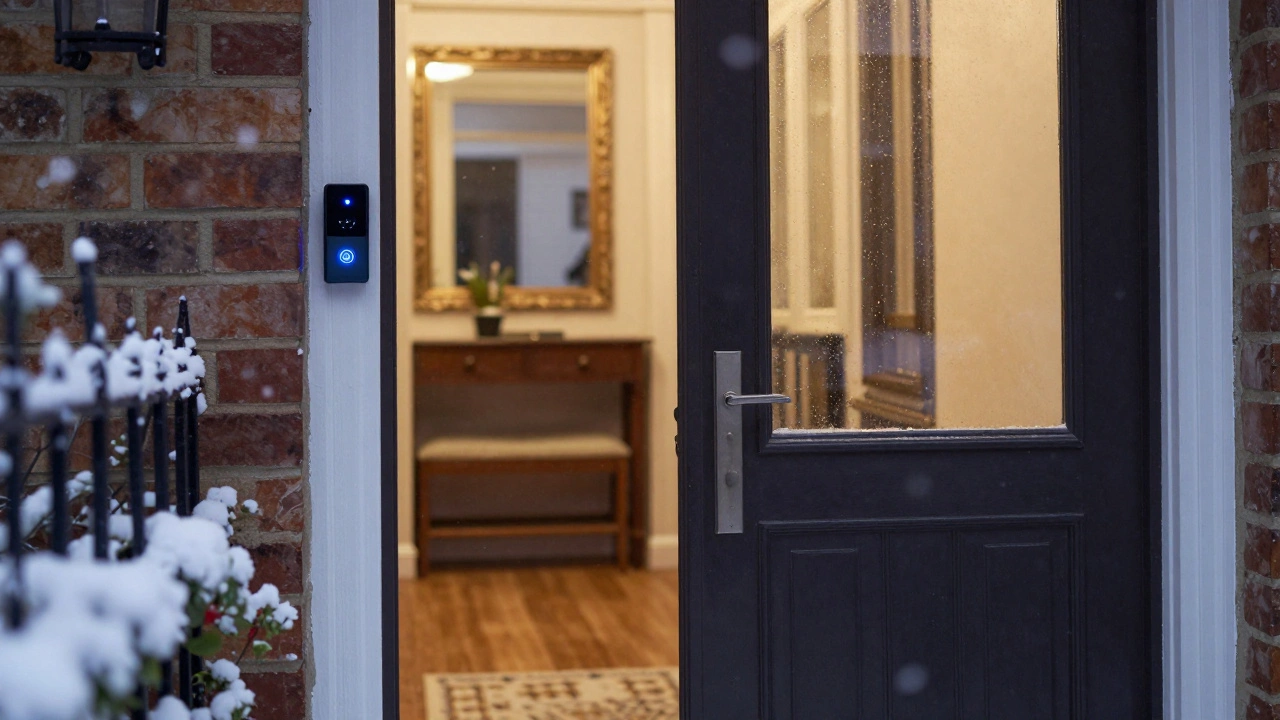
Before you buy, there are a few technical hurdles that could trip you up. First, check your Wi-Fi signal at the front door. A doorbell is only "smart" if it can actually talk to your router. If your signal is weak, you might see lagging video or missed notifications. In these cases, a mesh network extender is a lifesaver.
Second, if you go the wireless route, think about security. Since battery doorbells aren't bolted into the electrical system, they are technically easier to steal. Look for models that come with anti-theft brackets or specialized security screws to keep thieves from just popping the unit off your wall.
Finally, if you are hardwiring, don't guess the voltage. Use a voltage tester to make sure you're getting that 16-24V sweet spot. Pushing too much power into a smart doorbell can fry the motherboard, while too little will result in a device that constantly reboots or refuses to connect to the internet.
Can I install a wired doorbell if I don't have existing doorbell wires?
Yes, you can. You can use a plug-in doorbell transformer that plugs into a standard electrical outlet and runs a low-voltage wire through your wall to the doorbell. This allows you to get the benefits of a hardwired system without having an original chime system in your home.
How often do I actually have to charge a wireless doorbell?
Typically, you'll need to charge it every 1 to 6 months. This varies wildly based on how many people live in your house and how many "events" trigger the camera. If you live on a busy street with lots of foot traffic, your battery will drain much faster than someone in a quiet cul-de-sac.
Will a battery doorbell work in the winter?
It will work, but the battery life will drop. Lithium-ion batteries struggle in extreme cold, which can lead to faster drainage and slower charging times. If you live in a very cold climate, a hardwired option is generally more reliable.
Do I need a professional to install a hardwired doorbell?
If you're comfortable turning off a breaker and working with basic low-voltage wiring, you can do it yourself. However, if you need to replace the transformer or run new wires through your walls, hiring a certified electrician is the safest bet to avoid electrical hazards.
What is a 'chime' and do I still need one?
A chime is the internal bell or buzzer that rings inside your house. Many smart doorbells can work with your existing mechanical chime, but they also send notifications to your phone. Some wireless models come with a separate digital chime that plugs into a wall outlet since they can't trigger your old wired bell.
Next Steps for Your Installation
If you're a renter or in a rush, grab a battery-powered model and spend ten minutes on the app setup. Just remember to set a calendar reminder to check the battery level every few months so you aren't caught with a dead camera during a delivery.
For homeowners looking for a permanent security upgrade, check your current doorbell transformer first. If it's rated for 16-24V, you're good to go with a hardwired model. If not, decide if you'd rather spend the money on a transformer upgrade or just opt for a hybrid model that gives you the flexibility of both worlds.