
Ring Doorbell Legal Compliance Checker
Configure your camera setup below to see your legal obligations regarding signage and GDPR.
Audio is considered more intrusive than video alone under UK law.
Result Title
Summary text goes here.
Your Compliance Checklist
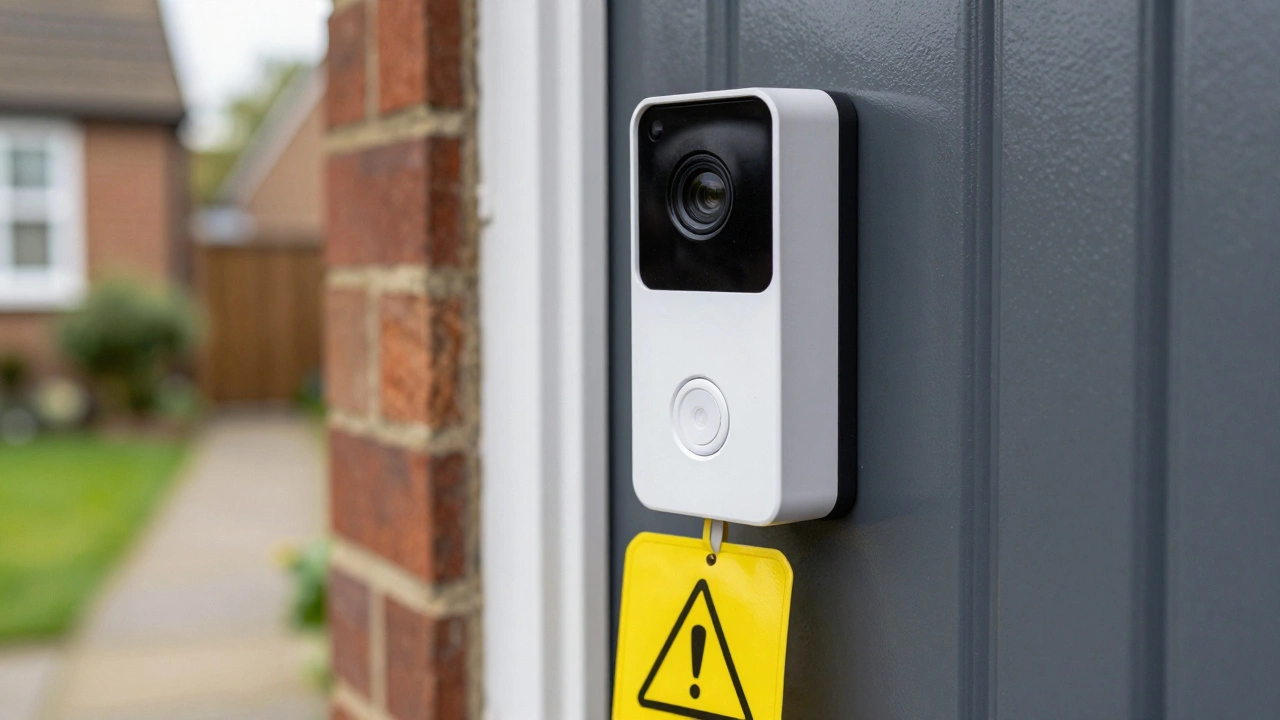
You just installed your new Ring Video Doorbell is a smart home security device that records video and audio at your front door. It was acquired by Amazon in 2018 and has become one of the most popular entry-level surveillance tools for homeowners.. The box came with a bright yellow sticker. Do you actually have to put it up? The short answer is: it depends on where your camera is pointing.
If your camera only sees your private garden or doorstep, you are likely fine without it. But if it captures the public pavement, the street, or your neighbor’s driveway, the rules change completely. In those cases, failing to display clear signage isn't just bad manners-it could be a breach of UK data protection law.
The Core Rule: Property Boundaries Matter Most
To understand whether you need that sticker, you first need to understand the concept of the Property Boundary defines the legal limit of your private land ownership. This line determines which laws apply to your surveillance equipment.. Under UK law, specifically the UK General Data Protection Regulation (UK GDPR) provides legal framework for processing personal data in the United Kingdom. It works alongside the Data Protection Act 2018 to ensure individuals' privacy rights are respected. and the Data Protection Act 2018 (DPA 2018) implements national legislation that complements UK GDPR. It gives specific powers to the Information Commissioner's Office and sets out exemptions for certain types of data processing., there is a "domestic purposes exemption."
This exemption means that if you use a camera purely for personal or household affairs, data protection laws generally do not apply to you. However, this exemption has a strict condition: the recording must stay within your property boundary. If your Ring doorbell records only your own private space-like your enclosed patio or the immediate area inside your gate-you are exempt from GDPR requirements. In this scenario, displaying a sticker is optional. You might do it as a deterrent or courtesy, but the law does not force you to.
The situation flips the moment your lens captures anything outside that boundary. This includes:
- The public sidewalk or pavement.
- The road or street.
- Your neighbor’s garden or driveway.
- Shared communal areas in apartment blocks.
Once you record people in these spaces, you are processing their personal data. The domestic exemption vanishes. You become a "data controller" under the law, and you must comply with full GDPR obligations. One of the core principles of GDPR is transparency. You must inform people that they are being recorded. This is where the sticker comes in.
Why Signage Is Legally Required for Outside Recording
There is no specific statute that says, "You must display a Ring-branded sticker." The law doesn't care about the brand. It cares about transparency. The Information Commissioner's Office (ICO) is the UK's independent body set up to support people's information rights. It enforces data protection laws and provides guidance on how organizations and individuals should handle personal data. makes it clear in its domestic CCTV guidance that users must be transparent. If you are recording beyond your boundary, you have a legal duty to let people know.
In practice, the only effective way to achieve this transparency is through visible signage. A sign tells passersby, "You are entering a monitored area." Without a sign, people cannot consent to being recorded because they don't know it's happening. This lack of transparency can lead to complaints, investigations, and potential fines.
Legal experts, such as those at Gateley LLP, emphasize that while the law doesn't mandate a specific product, using clear CCTV signage is the standard method for compliance. They advise attaching the warning sticker supplied with the device to your door or window. This ensures that anyone approaching your property is aware they are being filmed before they enter your field of view.
What Must Be on Your CCTV Sign?
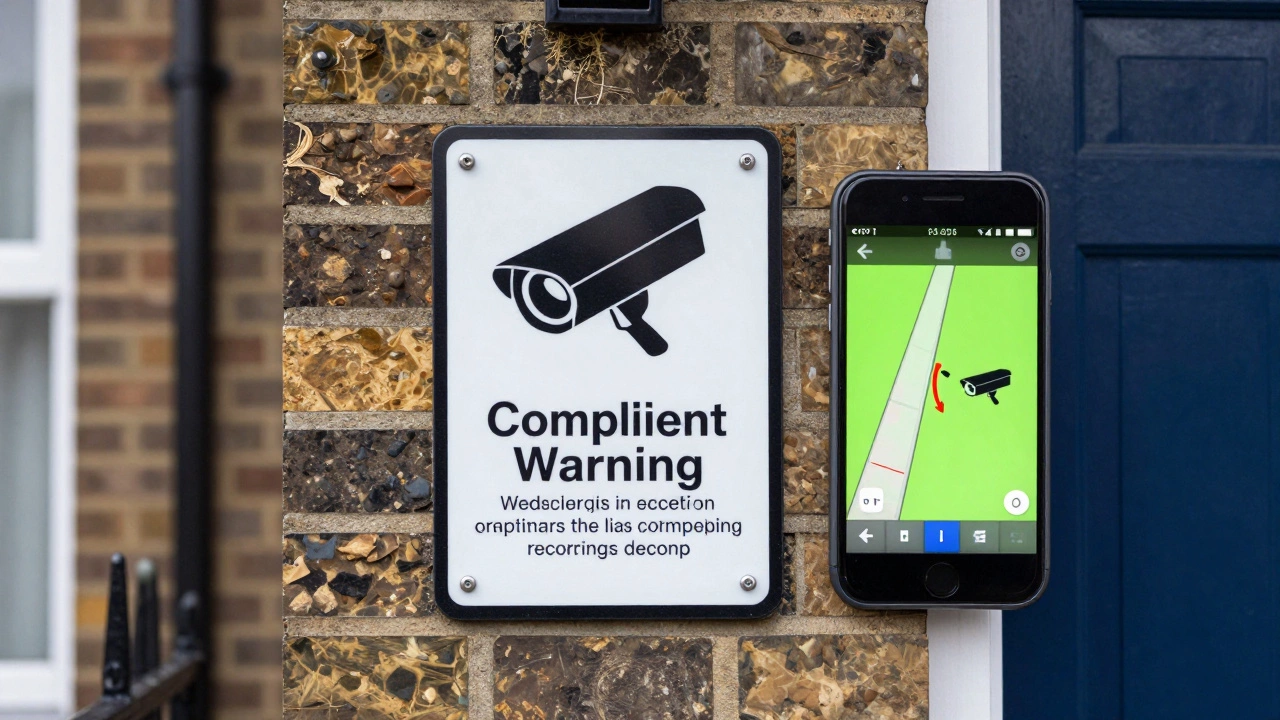
Slapping a generic "CCTV in Operation" sticker on your wall might not be enough. To truly comply with the transparency requirement, your sign needs to provide specific information. According to industry best practices and legal guides, a compliant sign should include five key elements:
- A clear statement: Something like "CCTV in operation" or "Video recording in progress."
- The purpose: Why are you recording? For example, "For the prevention and detection of crime" or "To secure property and deliveries."
- The responsible party: Who owns the camera? Usually, this is your name or "The Resident."
- Contact details: How can someone get more info? Provide an email address or phone number for privacy inquiries.
- Audio notice: If your Ring records audio, you must explicitly state this. Audio recording is considered more intrusive than video alone and requires stricter justification.
The Ring sticker included in the box often covers the basics, but you may need to add your contact details manually or use a custom-printed sign to meet all criteria. The goal is to ensure that a reasonable person can see the sign and understand what is happening.
| Scenario | Records Beyond Boundary? | GDPR Applies? | Signage Required? |
|---|---|---|---|
| Camera points only at private garden/doorstep | No | No (Domestic Exemption) | No (Optional) |
| Camera captures public pavement/street | Yes | Yes | Yes (Legally Mandatory) |
| Camera captures neighbor's property | Yes | Yes | Yes (Legally Mandatory) |
| Landlord monitoring shared hallway | Yes | Yes | Yes (Strictly Enforced) |
Special Considerations for Landlords and Tenants
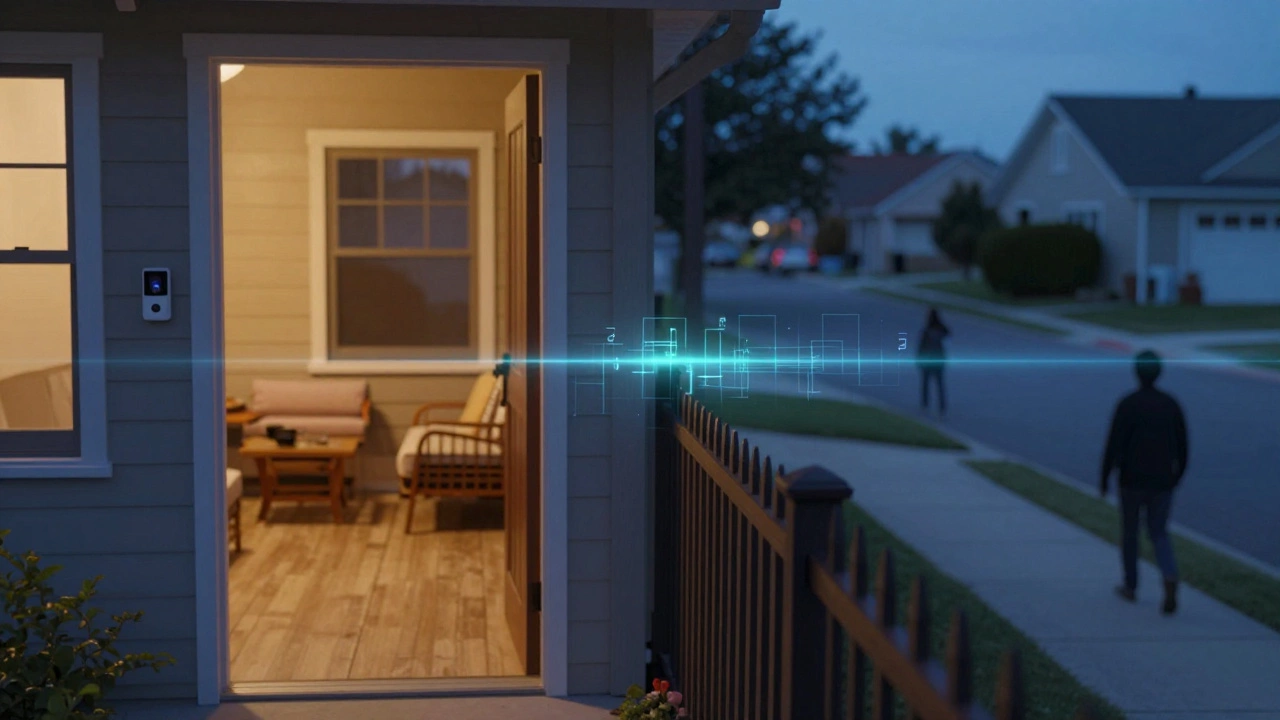
If you are a landlord, the rules are even stricter. Installing a video doorbell in a rental property often involves capturing shared spaces like hallways, entrances, or communal paths. These areas definitely fall outside the "domestic purposes" exemption because they involve multiple households and data subjects.
Landlords must consider whether the camera is truly necessary. Can you angle it to avoid public or shared spaces? If not, you must create a written privacy statement. You also need to post clear, visible signs around the property. Failure to do so can result in significant legal liability and complaints from tenants. The ICO takes landlord violations seriously because the power dynamic between landlord and tenant makes transparency even more critical.
Tenants should also be aware of their rights. If your landlord installs a Ring doorbell without your knowledge or without proper signage, you have the right to complain. You can request access to any footage taken of you (a Subject Access Request) and ask for it to be deleted if it was processed unlawfully.
Technical Tweaks to Reduce Legal Risk
You don't have to remove your Ring doorbell if it captures the street. Instead, you can adjust its settings to minimize the impact on others' privacy. This aligns with the GDPR principle of "data minimization," which means you should only collect what is strictly necessary.
Here are some practical steps:
- Adjust Motion Zones: Use the Ring app to define specific motion zones. Focus the camera on your doorstep and ignore the rest of the street. This reduces the amount of irrelevant personal data you capture.
- Disable Audio: If you don't need two-way talk or audio recording, turn it off. Video-only systems are less intrusive and easier to justify legally.
- Angle the Camera: Physically tilt the device downward to focus on your porch rather than the horizon.
- Set Retention Periods: Don't keep footage forever. Delete old recordings regularly. The ICO recommends keeping data only as long as necessary for security purposes.
Even with these tweaks, if you still capture public areas, you must display signage. Technical adjustments reduce risk but do not eliminate the legal obligation to inform the public.
Why Neighbors Care (And Why You Should Listen)
Beyond the letter of the law, there is the matter of community relations. A Ring doorbell that silently records your neighbor’s family coming and going can cause serious friction. Disputes over domestic CCTV are common and can escalate quickly.
Legal commentators suggest speaking to neighbors before installation. Explain your intentions, show them the camera angle, and assure them you won’t record their private spaces. Follow up with an email to create a paper trail. Then, put up the sticker. Visible signage acts as a conflict prevention tool. It shows you are acting openly and fairly, not secretly surveilling your neighborhood.
If a neighbor complains, take it seriously. Review your footage zones. Adjust the camera. Document your actions. Ignoring complaints can lead to formal reports to the ICO or even civil action for harassment or invasion of privacy under Article 8 of the Human Rights Act 1998.
Summary: Do You Need the Sticker?
Let's cut to the chase. There is no law that says "Ring Sticker Required." But there is a law that says "Be Transparent About Recording."
If your camera stays inside your fence, you’re free to skip the sticker. If it sees the world outside, you need a sign. Make it clear, make it visible, and include your contact details. It’s a small step that protects you from legal trouble and keeps your relationship with your neighbors intact.
Is it illegal to have a Ring doorbell in the UK?
No, it is not illegal to own or install a Ring doorbell in the UK. However, how you use it matters. If you record areas outside your property boundary, you must comply with data protection laws, including displaying signage and handling data securely. Failure to do so can lead to legal penalties.
Do I need a sticker if my camera only points at my door?
If your camera strictly records only within your private property boundary and does not capture public spaces or neighbors' properties, you are likely covered by the domestic purposes exemption. In this case, a sticker is not legally required, though it may still be useful as a deterrent.
What happens if I don't put up a CCTV sign?
If you record beyond your property boundary without signage, you are failing to meet the transparency requirement of the UK GDPR. This can lead to complaints from neighbors or the public, investigations by the ICO, and potentially substantial fines. It also weakens your defense in any legal disputes regarding privacy.
Can my neighbor stop me from having a Ring doorbell?
Your neighbor cannot simply ban your doorbell, but they can complain if it violates their privacy. If your camera captures their property or shared spaces without justification, they can report you to the ICO or seek legal remedies. To avoid this, adjust your camera angles to exclude their property and communicate openly with them.
Does the Ring sticker have to say "Ring" on it?
No, the law does not require a branded sticker. Any clear, visible sign that informs people they are being recorded, why, and who is responsible will suffice. You can use the Ring sticker, a generic CCTV sign, or a custom-made notice, as long as it meets the transparency requirements.
How long can I keep Ring footage?
You should only keep footage for as long as necessary for your stated purpose, such as security. The ICO recommends deleting recordings regularly when they are no longer needed. Keeping data indefinitely increases your legal risk and violates the principle of storage limitation under GDPR.
Do I need to tell my neighbors I have a Ring?
While not always a strict legal requirement for within-boundary cameras, it is highly recommended best practice. Informing neighbors helps prevent disputes and demonstrates fairness. If you record beyond your boundary, transparency (via signage) is mandatory, and direct communication can further mitigate privacy concerns.