
CCTV Deterrence & Cost Estimator
| Installation (one-time) | $2,500 – $5,000 |
| Monthly monitoring | $0 / mo |
| Yearly monitoring | $0 / yr |
Insurance discounts typically range 5–10% for approved monitored systems.
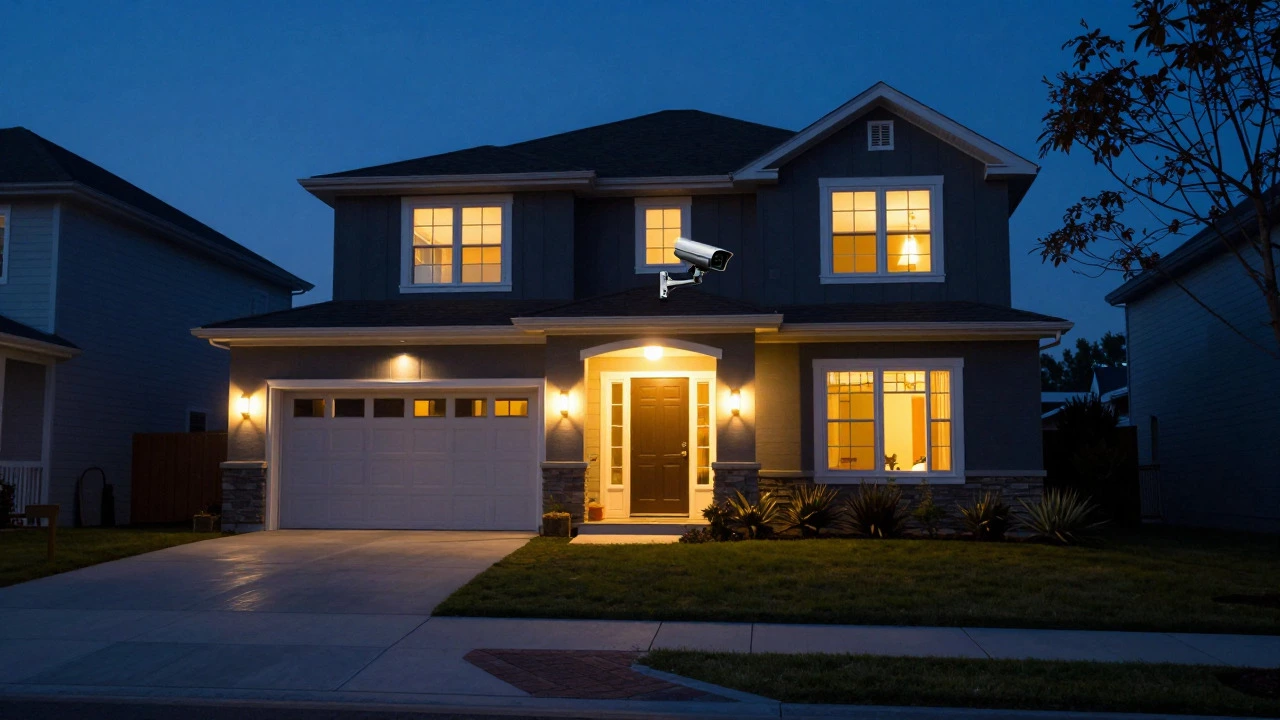
Walking past a house with a prominent camera mounted above the front door, you might wonder: does it actually stop thieves, or is it just expensive theater? The short answer is yes, but only if you do it right. CCTV is a video surveillance system that monitors specific locations to increase perceived risk for offenders. It doesn't work by magic; it works by making your property look like a bad bet for a criminal.
If you are considering an installation, you need to know where the evidence says it works and where it fails. We will break down the real data on burglary deterrence, the specific conditions required for success, and how much this actually costs in Australia today.
The Real Data: What Studies Actually Say
For decades, people have argued about whether cameras change behavior. Criminologists Brandon C. Welsh and David P. Farrington have spent years analyzing these systems. Their research, which includes meta-analyses of over 40 evaluations, shows that CCTV generally reduces crime by about 13% to 16% on average. That sounds modest, but context changes everything.
In car parks and highly controlled areas, the drop is massive-up to 51%. In sheltered housing complexes, one study recorded a 79% decrease in burglaries after installation. However, in general residential neighborhoods or busy city centers, the effect is often negligible unless the system is part of a larger strategy. The key takeaway? Cameras are not a universal fix. They are a situational tool that shines when focused on specific targets like driveways, gates, and entrances.
Why Some Cameras Work and Others Don't
So why do some homes see zero break-ins while others remain vulnerable despite having cameras? The difference lies in design and integration. A camera hidden behind a bush does nothing. A camera pointing at a blank wall wastes money.
- Visibility is Key: Burglars are rational actors. If they can see the camera, they assess the risk. Visible signage saying "Monitored" adds psychological weight.
- Target Specificity: Cameras aimed at high-value entry points (front doors, garage doors, side windows) outperform those providing wide-angle views of the whole yard.
- Integration Matters: Research from the University of North Carolina suggests that homes with combined security systems (cameras + alarms + lighting) see up to a 60% reduction in break-in likelihood compared to homes with no measures.
A standalone camera recording footage that nobody watches is less effective than a system that triggers an alert or light. The deterrent power comes from the perception of immediate intervention, not just the existence of a record.
Lighting vs. Cameras: Which Is Better?
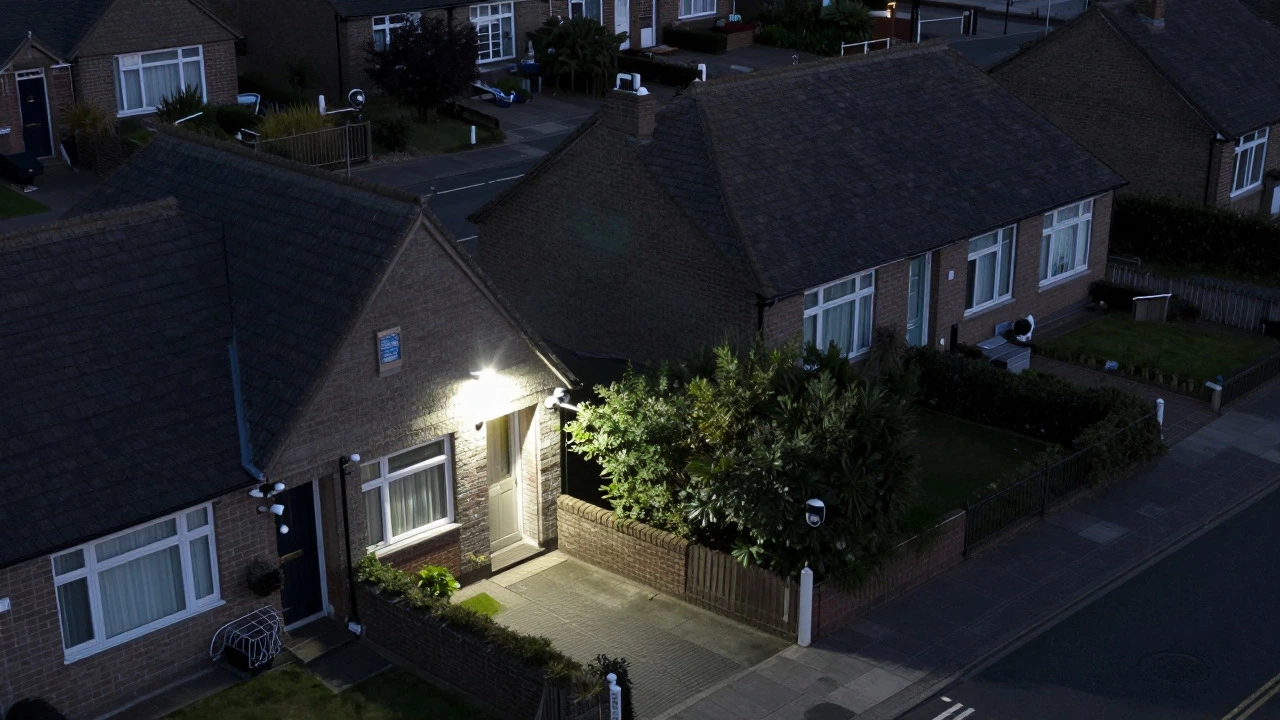
Here is a surprising finding from studies in Malaysia and the UK: sometimes, good lighting deters burglars more effectively than cameras alone. A well-lit driveway removes the cover of darkness that intruders rely on. If you have a budget constraint, consider pairing motion-sensor lights with your cameras. The combination creates a layered defense that feels much more intimidating to a potential thief than a dark corner with a single lens.
How Much Does CCTV Installation Cost?
Costs vary significantly based on the type of system, number of cameras, and professional labor. In Adelaide and across Australia, here is what you can expect in 2026:
| System Type | Number of Cameras | Estimated Cost Range (AUD) | Best For |
|---|---|---|---|
| Basic DIY Kit | 2-4 | $800 - $1,500 | Small apartments, renters |
| Professional Wired System | 4-8 | $2,500 - $5,000 | Standard family homes |
| Advanced Wireless/Smart System | 4-8 | $3,000 - $6,500 | Modern smart homes, remote monitoring |
| Commercial/Large Property | 10+ | $8,000+ | Large estates, businesses |
Note that these figures usually include hardware and basic installation. Professional monitoring services typically add a monthly fee ranging from $30 to $100 per month. Always get three quotes, as labor rates can fluctuate based on wiring complexity and roof access.
Choosing the Right Setup for Your Home
Don't just buy the most expensive box. Match the technology to your threat profile.
- Assess Your Entry Points: Walk around your house at night. Where would you enter? Place cameras there.
- Decide on Monitoring: Do you want to check phones constantly, or do you want a pro to watch? If you choose the latter, ensure the provider has a rapid response protocol.
- Check Privacy Laws: In Australia, you must be careful not to film public footpaths or neighbors' private properties without consent. Stick to your own boundary lines.
- Consider Storage: Cloud storage offers convenience but ongoing costs. Local NVR/DVR units are cheaper long-term but require physical protection from theft.
For most suburban homes, a hybrid approach works best: visible cameras at the main entrance and garage, paired with motion-activated floodlights and a basic alarm system. This creates the "layered" environment that research identifies as most effective.
Common Mistakes to Avoid
Many homeowners spend money but get poor results because of simple setup errors.
- Blind Spots: Ensure no tree branches block the view during summer months.
- Low Resolution: Cheap cameras produce grainy footage that is useless for identification. Aim for at least 2K resolution for clear facial recognition.
- Ignoring Audio: Two-way audio allows you to shout at intruders, which is a powerful deterrent in itself.
- False Sense of Security: Don't leave back doors unlocked just because you have a camera. Cameras detect; locks prevent.
Remember, the goal is to make the job too hard. Every extra second an intruder spends figuring out your system increases their chance of being caught or giving up.
Frequently Asked Questions
Do burglars really check for cameras before entering?
Yes. Most opportunistic burglars perform a quick visual scan of the property. If they see visible cameras, especially with signage, they often move on to an easier target. However, professional criminals may ignore cameras if they believe the reward outweighs the risk, so cameras work best against casual intruders.
Is wireless CCTV better than wired for deterrence?
Wireless systems are easier to install and often include smart features like AI detection, which can reduce false alarms. Wired systems offer more stable connections and higher video quality. For deterrence, both work equally well as long as the camera is visible. Choose wireless for ease of setup, wired for maximum reliability and image clarity.
How much does it cost to monitor CCTV professionally in Australia?
Professional monitoring services in Australia typically range from $30 to $100 per month depending on the number of channels and response speed. This fee covers 24/7 live viewing and dispatch of police or security guards upon verified intrusion. Self-monitoring via app notifications is free but relies on you reacting quickly.
Can I use old phone cameras as cheap CCTV?
Technically yes, using apps that turn phones into IP cameras. However, this is not recommended for serious security. Phones heat up, drain batteries, lack weatherproofing, and can be easily disabled by cutting power or Wi-Fi. Dedicated outdoor-rated cameras are far more reliable for actual deterrence and evidence collection.
Does CCTV help lower home insurance premiums?
Sometimes. Many Australian insurers offer small discounts (typically 5-10%) for approved security systems, including monitored alarms and CCTV. You should ask your insurer for a list of accredited providers and systems before purchasing to ensure you qualify for any discount.