
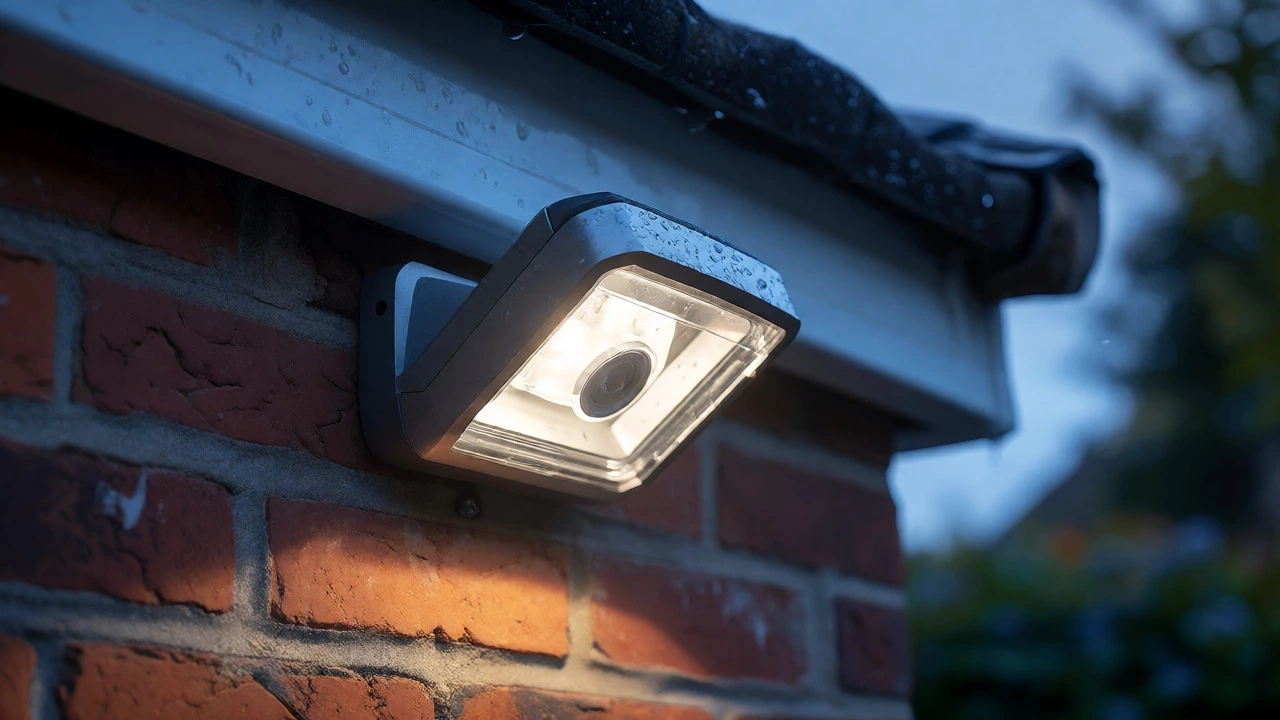
Outdoor Motion Sensor Light Lifespan Estimator
Enter your fixture details below to estimate its remaining life and identify potential risks.
Status: Calculating...
Key Risk Factors & Recommendations
You just installed a new outdoor motion sensor light, and it’s working perfectly. But then you start wondering: when will this thing actually die? Is it going to last five years, or will the sensor give up in six months? It’s a fair question because these fixtures aren’t cheap, and nobody wants to climb a ladder every winter to replace a burnt-out bulb or a glitchy sensor.
The short answer is that most standard outdoor motion sensor lights last between 5 and 10 years. However, the "light" part and the "sensor" part have completely different lifespans. The LED bulbs inside modern fixtures can technically run for decades, but the electronic brain-the sensor-is usually the weak link. If you buy a premium unit with good weather sealing, you might get 15 years of service. If you grab a bargain-bin plastic unit from a big-box store, don't be surprised if it fails within two winters.
The Two Clocks: Light Source vs. Sensor Electronics
To understand longevity, you have to separate the fixture into its two main components: the illumination source and the detection system. They wear out at vastly different rates.
LED modules are incredibly durable. Modern residential floodlights use LEDs rated for 30,000 to 50,000 hours of operation. If your light runs for an average of three hours a night (which is generous for a motion-activated device), that’s roughly 27 to 45 years of potential runtime. You will likely move houses before the LED itself burns out.
The PIR sensor (Passive Infrared), on the other hand, is fragile. It contains sensitive electronics and plastic lenses that degrade under UV exposure, temperature swings, and moisture. This is why ReplacementGuide and other home maintenance experts consistently note that the sensor usually fails before the light source. When people say their light "died," they almost always mean the sensor stopped detecting motion or started triggering randomly, not that the bulb went dark.
Lifespan by Technology Type
Not all motion lights are created equal. The technology inside dictates how long you’ll keep the fixture on your wall.
| Component / Type | Rated Hours | Real-World Years* | Failure Mode |
|---|---|---|---|
| Halogen Bulb | 1,000 - 5,000 hrs | 1 - 4 years | Burnt out filament; heat damages sensor |
| CFL Bulb | 8,000 - 15,000 hrs | 7 - 13 years | Slow startup; poor cold performance |
| Standard LED Module | 30,000 - 50,000 hrs | 27 - 45 years | Rarely fails; dimming over decades |
| Premium Commercial LED | 50,000 - 100,000+ hrs | 45 - 90+ years | Driver failure more common than LED |
| Budget Plastic Fixture | N/A | 2 - 5 years | Sensor corrosion; housing cracks |
| Premium Metal Fixture | N/A | 10 - 18 years | Electronics age out; lens yellowing |
*Years assume ~3 hours of active lighting per night. Battery-powered units depend on usage frequency rather than continuous runtime.
Why Cheap Lights Fail Fast
If you’ve ever bought a $20 motion light from a hardware store, you know the feeling of frustration when it stops working after one storm season. Here’s why budget units fail so quickly:
- UV Degradation: Cheap plastic housings become brittle and crack under sunlight. Once water gets in, the circuit board corrodes. Metal housings with powder-coated finishes resist this much better.
- Poor Sealing: Look for an IP65 rating or higher. Budget lights often have gaps around the sensor window where rain seeps in during heavy downpours, shorting out the PIR sensor.
- Thermal Stress: Older halogen-based motion lights generated massive heat. That heat cooked the plastic lens and the sensor electronics from the inside out. LED fixtures run cool, which significantly extends the life of the surrounding components.
The Battery-Powered Exception
Battery-operated spotlights and path lights operate on a different timeline entirely. Since they don’t have a wired power supply, their lifespan is defined by battery chemistry and replacement habits.
Most battery units use four D-cells or built-in rechargeable lithium-ion packs. Under typical suburban use-where the light triggers maybe 10-20 times a night-you’ll need to swap batteries every 3 to 12 months. Some high-capacity rechargeable models claim 120 days per charge, but real-world tests often show closer to 60-90 days in colder climates.
However, the fixture itself can last much longer. Users on Reddit report using the same Mr Beams or Ring spotlight bodies for 5-10 years, simply swapping batteries as needed. The catch? Many of these units are designed to be disposable. If the solar panel degrades or the plastic casing cracks, it’s cheaper to buy a new $15 unit than to repair the old one.
Smart Sensors Are Different
Don’t confuse integrated motion lights with smart sensors like the Philips Hue Outdoor Motion Sensor. These small devices control existing lights via Zigbee or Wi-Fi. Their lifespan depends on battery life and firmware support.
Hue sensors officially claim a 3-year battery life, but user reports vary widely. In sunny Adelaide, where I live, direct sun can heat up the sensor, draining batteries faster. Some users report getting 4-5 years, while others see 18 months. The bigger risk with smart sensors isn’t hardware failure-it’s obsolescence. If the manufacturer stops supporting the app or protocol, the sensor becomes useless even if the hardware still works.
How to Make Your Lights Last Longer
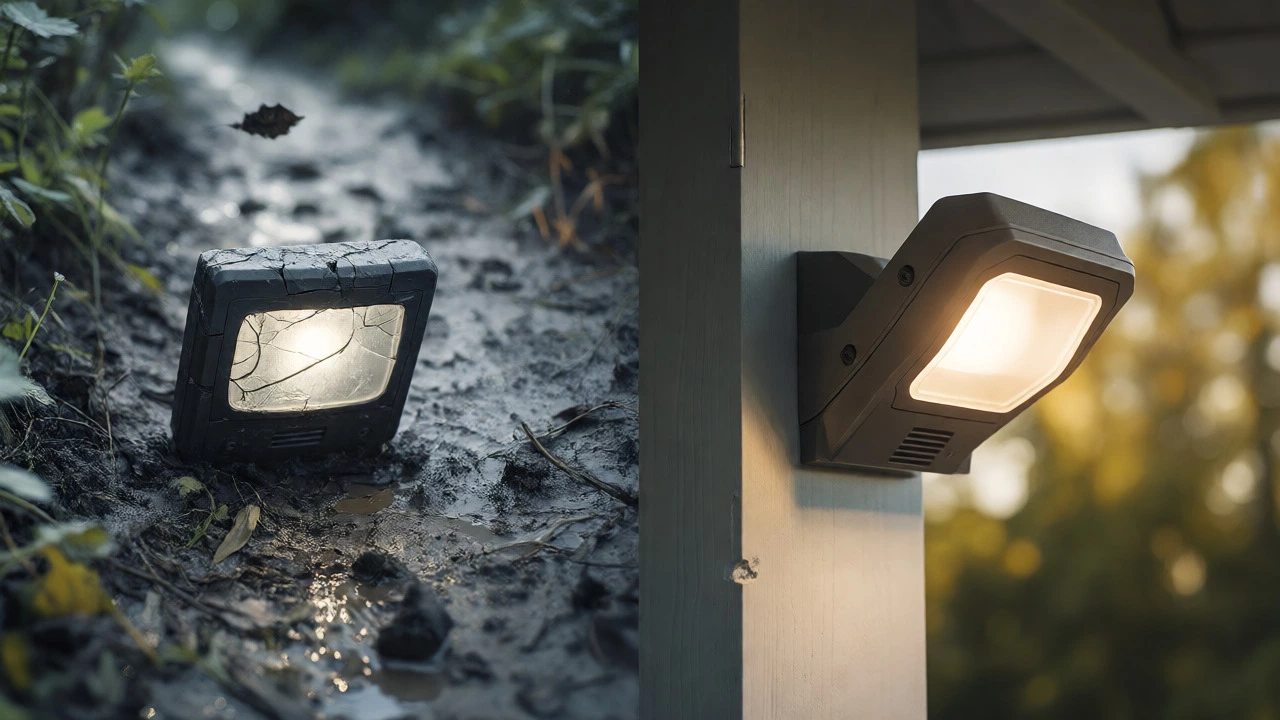
You can push a mid-range fixture toward the upper end of its lifespan with a few simple tweaks:
- Install Under Eaves: Direct rainfall is the enemy. Mounting the light under a roof overhang protects the sensor window from driving rain and reduces thermal shock from sudden cooling after hot days.
- Clean the Lens: Dust, spider webs, and pollen block infrared light. Wipe the sensor lens with a soft cloth every few months. A dirty sensor triggers false alarms, which wears out the relay and drains batteries faster.
- Adjust Sensitivity: Don’t leave the sensitivity on max. High sensitivity means the light triggers for passing cars or blowing leaves. Fewer cycles mean less wear on the internal switch and relay.
- Check Wiring: For hardwired units, loose neutral wires can cause flickering that mimics sensor failure. Tighten connections annually.
When to Replace vs. Repair
Here’s the rule of thumb: if your fixture is under 5 years old and uses expensive parts, try replacing the sensor module or bulb. If it’s over 7 years old, especially if it’s a plastic-bodied unit, just replace the whole fixture. Labor costs and time spent troubleshooting usually outweigh the price of a new, more efficient LED model.
Also, consider efficiency gains. A 10-year-old motion light might draw 100W equivalent power, while a new LED unit does the same job with 20W. The energy savings over the next five years often pay for the new fixture.
Frequently Asked Questions
Do LED motion sensor lights burn out?
Rarely. LED modules are rated for 30,000-50,000 hours, which translates to decades of use. Most failures occur in the sensor electronics or power driver, not the LED chips themselves.
Why does my motion light trigger randomly at night?
This is usually due to a dirty sensor lens, nearby heat sources (like vents or warm walls), or wind-blown vegetation entering the detection zone. Cleaning the lens and adjusting the angle often fixes it.
How long do battery-operated motion lights last?
The batteries typically last 3-12 months depending on usage. The physical fixture can last 3-5 years, though many owners replace them sooner due to weather damage or outdated features.
Is it worth repairing an old motion sensor light?
Generally, no. Unless it’s a high-end commercial fixture, replacement sensors cost nearly as much as a new LED unit. New units also offer better energy efficiency and reliability.
Does cold weather affect motion sensor lights?
Yes. Extreme cold can drain batteries faster and make plastic housings brittle. PIR sensors may also struggle to detect body heat against very cold backgrounds, reducing range.