
CCTV Camera Cost Calculator & Comparison
Select Your Setup Scenario
The Renter's Setup
Wyze Cam v4 + Cloud StorageThe Homeowner's Standard
Ring Stick Up Cam + DIY InstallThe Pro Install (PoE)
5MP PoE Camera + Professional InstallationCost Breakdown
Total First-Year Investment
⚠️ Includes Hidden CostsBased on selected scenario
5-Year Projection
Key Considerations
- ✓ Pro Install: Higher upfront cost but zero monthly fees. Best for long-term savings.
- ✓ Homeowner Standard: Balanced approach with moderate upfront cost and manageable monthly fees.
- ✓ Renter Setup: Lowest entry point, ideal for temporary needs or small spaces.
- ! Hidden Costs: Always factor in installation, accessories, and recurring subscriptions when budgeting.
Walking into a store or browsing online for a single CCTV camera is a video surveillance device used to monitor specific areas for security and safety purposes, you might expect a simple price tag. You don’t get that. The question “how much is one CCTV camera?” has no single answer because the hardware you buy is just the tip of the iceberg. In May 2026, the price for a standalone unit can swing wildly from $10.71 for a basic mini-camera to over $500 for professional-grade 4K systems.
The real shock usually isn’t the upfront cost-it’s what happens after you plug it in. Between installation fees, necessary accessories, and monthly cloud storage subscriptions, the total cost of ownership often doubles within the first year. If you’re trying to budget for your home or business security, understanding these layers is critical. Let’s break down exactly where your money goes so you aren’t blindsided by hidden fees.
Budget Options: The Entry-Level Tier ($30 - $100)
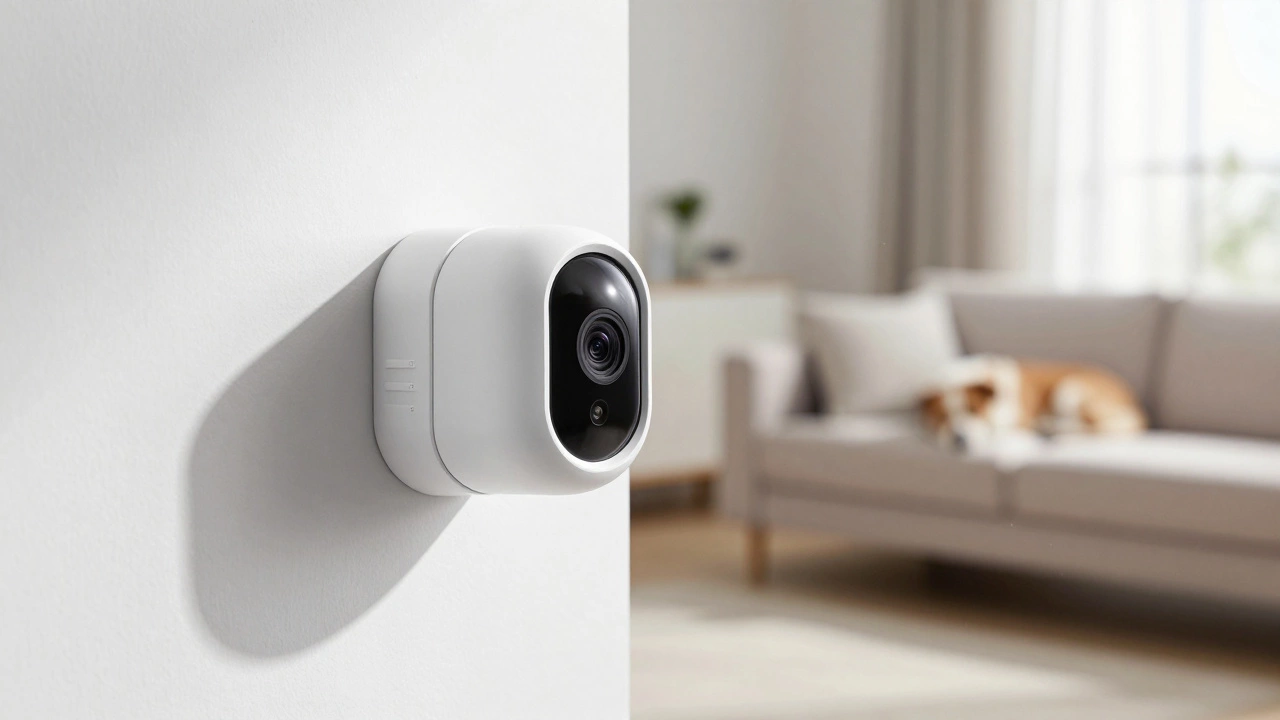
If you are renting an apartment or need temporary coverage for a single room, you likely don’t need heavy-duty industrial gear. This tier is dominated by brands like Wyze and Blink. These devices typically start around $30 to $50 per unit. At this price point, you are getting 1080p HD resolution, which is decent for identifying faces if they are close to the lens, but it struggles with digital zoom.
You will find absolute bottom-feeders at retailers like Walmart, listing mini security cameras for as low as $10.71. While tempting, these units often lack weatherproofing, reliable night vision, or smart features. They are essentially glorified webcams. For a functional indoor setup, aim for the $30-$50 range. These cameras usually rely on Wi-Fi and require frequent battery charging or nearby power outlets. They are perfect for monitoring pets or checking baby monitors, but don’t expect them to read license plates or withstand a summer storm.
Mid-Range Wireless Cameras: The Sweet Spot ($100 - $200)
This is where most homeowners land. Brands like Ring, Arlo, and eufy dominate this space. A single mid-range wireless camera costs between $100 and $200. Why the jump in price? You are paying for convenience and durability.
At this tier, you get 2K resolution (2560x1440 pixels), which offers significantly sharper images than 1080p. More importantly, these cameras are designed for outdoor use. They feature weatherproof construction, meaning rain and heat won’t kill them overnight. They also include better night vision and AI-powered motion detection that can distinguish between a passing car, a tree branch, and a person walking up your driveway. This reduces the "alert fatigue" caused by false alarms.
| Brand | Price Range | Resolution | Key Feature | Cloud Cost/Month |
|---|---|---|---|---|
| Ring | $100 - $200 | 1080p - 2K | Ecosystem Integration | $3.99 - $10 |
| Arlo | $100 - $200 | 2K - 4K | Wireless Flexibility | $9.99 - $17.99 |
| eufy | $100 - $150 | 2K - 4K | Local Storage Option | $3.99 (Optional) |
| Vivint | $150 - $400 | 2K - 4K | Professional Monitoring | Included in Plan |
Premium & Professional 4K Cameras ($250 - $500+)
If you need to capture fine details-like reading a license plate from across the street or identifying a suspect’s face from fifty feet away-you need higher resolution. Professional 4K cameras (3840x2160 pixels) range from $250 to $500 per unit. Brands like Google Nest and high-end Vivint models sit here.
These cameras offer advanced AI capabilities, color night vision, and wider fields of view. They are built for perimeter security in large backyards, driveways, or commercial properties. The image quality is crisp enough for law enforcement to use evidence effectively. However, the file sizes are massive. Storing 4K footage requires significantly more bandwidth and storage space, which drives up both equipment and subscription costs.
Wired PoE vs. Wireless: The Installation Cost Factor
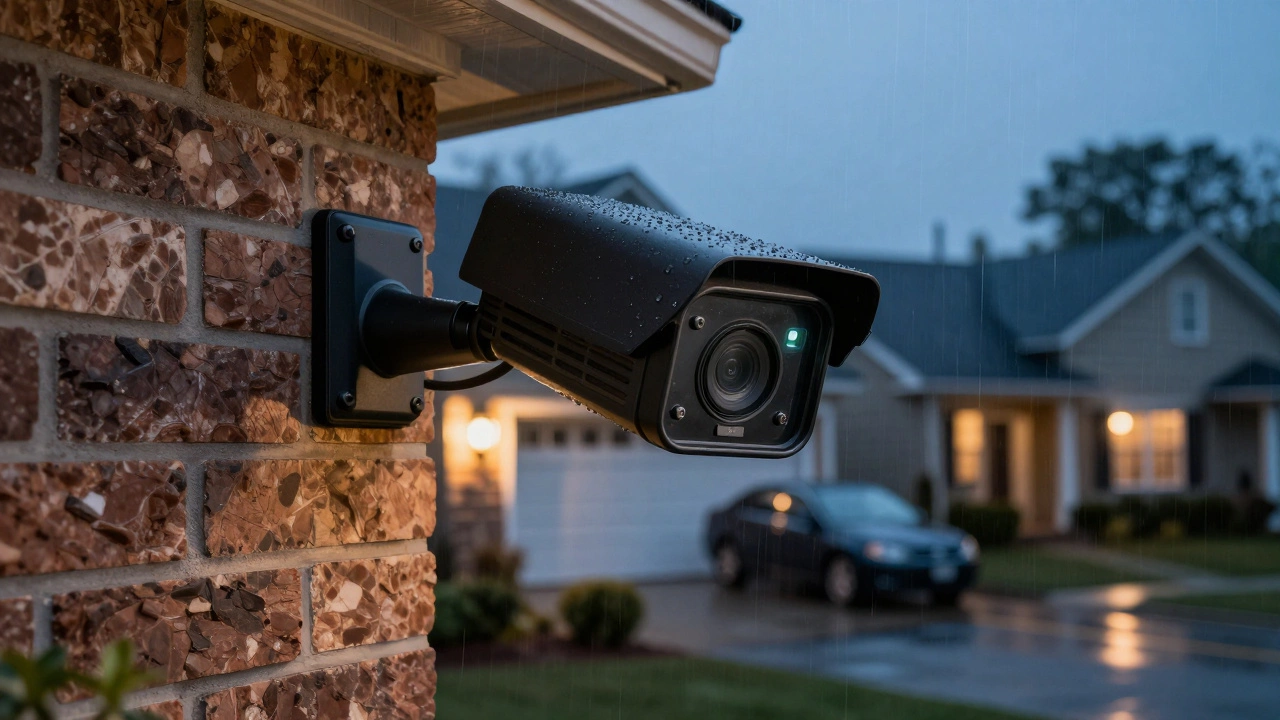
Your choice of connectivity drastically changes the final bill. Wireless cameras are popular because they are DIY-friendly. You stick them on the wall and connect via Wi-Fi. But wired Power over Ethernet (PoE) cameras offer superior reliability and performance without monthly battery swaps.
A 5MP PoE Bullet Camera with 3K resolution costs around $74.99 to $79.99 at specialized retailers like CCTV Camera World. On paper, this looks cheaper than a Ring camera. But there’s a catch: installation. PoE cameras require running ethernet cables through walls or conduits to a central Network Video Recorder (NVR). Unless you are handy with drywall and networking, you will hire a pro.
Professional installation services add $100 to $200 per camera. This fee covers cable routing, network configuration, and system testing. So, while the PoE hardware is cheap, the labor makes it expensive. Wireless cameras save on labor but cost more in hardware and potentially in batteries or solar panels.
The Hidden Killer: Cloud Storage Subscriptions
This is the part most people forget when asking “how much is one camera.” The hardware is a one-time cost. The storage is forever. Most modern cameras push you toward cloud subscriptions to save footage.
Here is the reality of monthly fees in 2026:
- Budget Tier: Wyze charges $2.99/month. Blink and eufy charge $3.99/month.
- Mid-Tier: Honeywell charges $4.99/month. abode charges $7.99/month for 10 days of storage.
- Premium Tier: Arlo ranges from $9.99 to $17.99/month. Google Nest charges $10 to $20/month.
If you buy a $150 mid-range camera and pay $5.99 a month for storage, you spend $71.88 annually. Over five years, that’s $359.40 in subscriptions-more than double the cost of the camera itself. Some brands, like Deep Sentinel, focus on local storage or specific monitoring models, but for most consumers, the subscription is mandatory to access recorded clips remotely.
Total First-Year Cost Breakdown
To give you a realistic expectation, let’s look at three common scenarios for adding one camera to your property.
- The Renter’s Setup: One Wyze Cam v4 ($30) + $2.99/month storage ($35.88/year). Total Year 1: ~$66. No installation needed.
- The Homeowner’s Standard: One Ring Stick Up Cam ($100) + $3.99/month storage ($47.88/year). Total Year 1: ~$148. DIY installation.
- The Pro Install: One 5MP PoE Camera ($75) + NVR port/license ($20) + Professional Installation ($150) + Local SD Card ($20). Total Year 1: ~$265. Zero monthly fees.
As you can see, the “cheapest” camera upfront isn’t always the cheapest long-term. The Pro Install option has a higher initial hit but eliminates recurring costs. The Homeowner’s Standard is balanced but commits you to annual payments.
Should You Buy a Single Camera or a System?
Buying one camera is great for filling a blind spot. But if you are starting from scratch, bundled systems often offer better value. Complete systems from providers like CCTV Camera Pros can be found for around $499.99 (on sale from $599.99). These kits include multiple cameras, the recording hardware (DVR/NVR), cables, and warranties.
When buying individually, you miss out on bulk discounts on cabling and recorders. Plus, mixing and matching brands creates compatibility headaches. If you only need one camera right now, ensure it connects to a brand you plan to expand with later. Don’t buy a standalone Arlo if you intend to build a full Reolink system next year-they won’t talk to each other.
What is the average cost of a single CCTV camera in 2026?
The average cost for a mainstream, mid-range CCTV camera is between $100 and $200. Budget options start around $30, while professional 4K models can exceed $500 per unit.
Do I need a monthly subscription for my security camera?
Not necessarily, but most consumer brands encourage it. Cloud storage subscriptions range from $3 to $20 per month. Alternatively, you can choose cameras with local storage (SD card or hard drive) to avoid recurring fees, though you lose remote backup capabilities.
Is it cheaper to install cameras yourself or hire a pro?
DIY installation is significantly cheaper for wireless cameras, costing nothing beyond the hardware. For wired PoE systems, professional installation adds $100 to $200 per camera. If you are not comfortable drilling holes and running cables, hiring a pro ensures proper placement and network stability.
What is the difference between PoE and wireless cameras?
PoE (Power over Ethernet) cameras run on a single cable for both power and data, offering stable connections and no battery maintenance. Wireless cameras use Wi-Fi and batteries, making them easier to install but requiring periodic recharging and potentially suffering from signal interference.
Can I mix different brands of security cameras?
Generally, no. Most consumer brands use proprietary apps and ecosystems. A Ring camera will not integrate with an Arlo app. It is best to stick to one brand for seamless management, unless you are using a universal NVR system that supports ONVIF-compatible third-party cameras.