
Monitored Security Cost vs. Savings Calculator
Determine your net out-of-pocket expense and see if professional monitoring pays for itself.
Your Situation
Analysis Result
Annual Monitoring Cost
$420
Annual Insurance Savings
-$120
Net Out-of-Pocket Expense
Verdict
Professional monitoring adds a moderate cost but provides essential peace of mind that self-monitoring cannot match.
You hear the alarm blare at 3 AM. Your phone buzzes with a notification. Do you call the police yourself, or do you hope someone else is already on it? This split-second decision defines the difference between a DIY setup and a monitored home security system, which is a residential protection service where trained dispatchers maintain 24/7 surveillance and can dispatch emergency responders when an alarm is triggered. In 2026, the question isn't just about catching burglars; it's about whether paying a monthly premium for peace of mind makes financial sense.
Living in Adelaide, I’ve seen neighborhoods transform from quiet suburbs to targets for opportunistic crime. The old wisdom was that alarms were just noise. Today, they are connected ecosystems. But here is the hard truth: professional monitoring costs money. Real money. So, is it worth it? The answer depends entirely on your lifestyle, your risk tolerance, and your budget. Let’s break down the numbers, the contracts, and the real-world scenarios to help you decide if you need a human watching your back or if your smartphone is enough.
The Core Value: What Professional Monitoring Actually Does
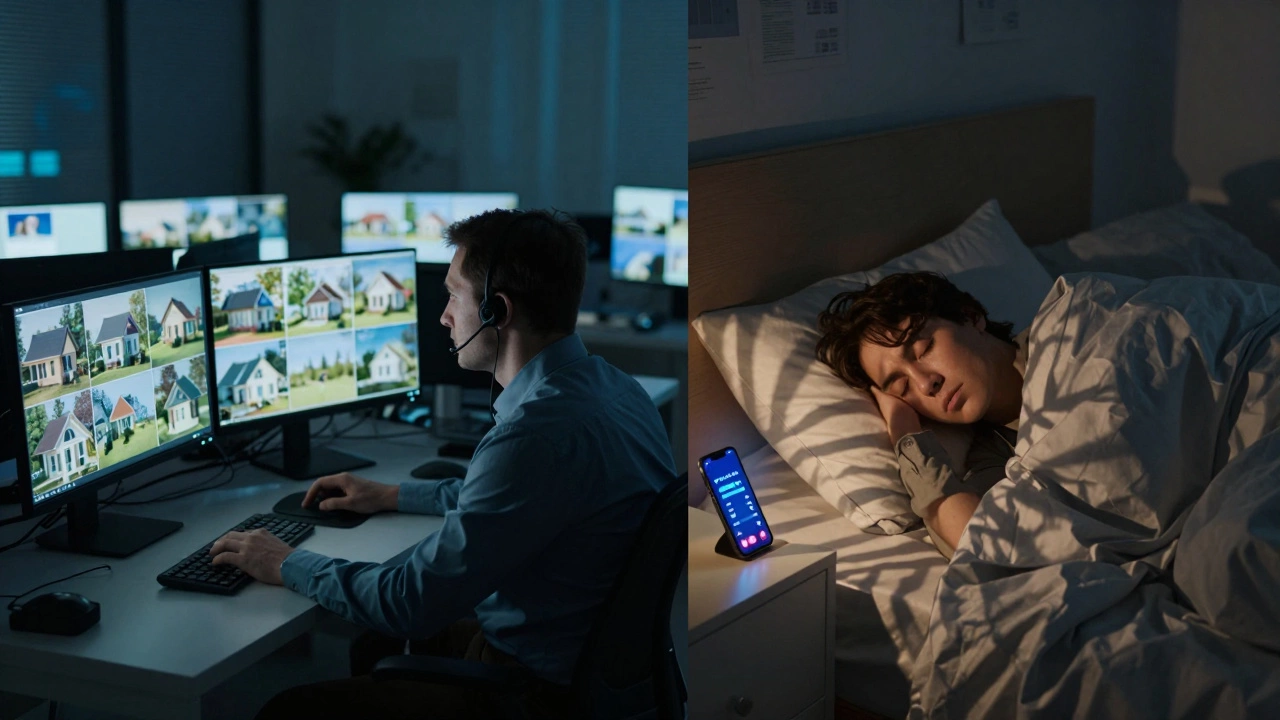
First, let’s clear up what "monitoring" means. It is not just an app notification. When you buy a camera or a sensor on its own, you are responsible for reacting. If you’re asleep, in a meeting, or driving without signal, that alert is useless. Professional monitoring bridges that gap.
Here is how the process works in practice:
- Trigger: A door opens, smoke is detected, or motion triggers a camera.
- Alert: The signal goes instantly to a secure monitoring center, not just your phone.
- Verification: Trained dispatchers attempt to contact you via voice or video to verify if it’s a false alarm.
- Response: If you don’t answer, or if you provide a pre-set safeword indicating danger, they dispatch police, fire, or medical services immediately.
This hands-off approach is the primary benefit. You don’t have to be the first responder. According to data from Rutgers University, a research institution that conducted studies on crime displacement and alarm effectiveness., burglar alarm systems decrease crime without simply displacing it to neighboring properties. More importantly, the presence of a monitored system deters entry in the first place. Criminals look for easy targets. A house with a visible, professionally monitored sign is a hard target.
The Cost Breakdown: How Much Will It Drain Your Wallet?
Let’s talk dollars. Or rather, Australian Dollars, though global trends mirror this. In 2026, pricing varies wildly based on who you choose. If you look at major providers like ADT, a leading home security provider offering tiered monitoring packages., the structure is clear but layered.
| Plan Name | Standard Monthly Fee | Self-Setup Discount Price | Key Features |
|---|---|---|---|
| Secure | $34.99 AUD | $24.99 AUD | Basic monitoring, mobile app access |
| Smart | $39.99 AUD | $29.99 AUD | Includes smart home integration, video clips |
| Complete | $49.99 AUD | $39.99 AUD | Full suite: video verification, advanced sensors |
But wait, there are add-ons. Cellular backup adds roughly $1.48 per month. Video support for cameras is often $5 per camera per month. These fees stack up. Consumer Reports found that across all brands, monthly costs range from $15 to $53. Over a year, that’s $180 to $636. Over five years? That’s nearly $3,000.
Compare this to self-monitoring. Many modern systems offer paid self-monitoring plans with features like familiar-face detection for as little as $3 to $13 per month. The trade-off? You are the dispatcher. If your phone dies during a break-in, no one knows.
Contracts vs. Freedom: The Trap of Long-Term Commitments
One of the biggest friction points in 2026 is contract length. Some providers, including ADT, require multi-year contracts if you opt for professional installation. This locks you in. Why would they do this? To recoup the cost of equipment and ensure long-term revenue.
However, flexibility is increasing. Companies like Vivint, a smart home security company known for customizable monitoring options. allow month-to-month payments unless you are financing the hardware. Other newer entrants offer month-to-month professional monitoring without any long-term strings attached.
If you hate being locked in, look for "no-contract" monitoring. You might pay slightly more per month, but you retain the freedom to cancel if the service quality drops. Conversely, a fixed-rate multi-year contract can protect you against price hikes, which many companies have slowly implemented over time.
The Hidden Benefit: Insurance Discounts
Here is where the math gets interesting. Many homeowners overlook the impact on their insurance premiums. Insurers love monitored systems because they reduce the likelihood of catastrophic claims-like total loss from fire or extensive theft damage.
In Australia and globally, discounts typically range from 5% to 20% off annual premiums. To qualify, your system usually needs to include burglary, fire, and carbon monoxide alarms, and it must be professionally monitored. Let’s say your annual home insurance is $1,200. A 10% discount saves you $120 a year. If your monitoring plan costs $300 a year, you’re still out of pocket by $180. But if your premium is higher, or the discount is 15-20%, the monitoring fee starts to pay for itself. Always call your insurer before signing up; ask specifically what certification level they require for the maximum discount.
Who Actually Needs Professional Monitoring?
Not everyone needs a 24/7 watchtower. Let’s be realistic. If you work from home, are rarely away, and live in a low-crime area, professional monitoring might be overkill. You’ll see those notifications on your phone anyway.
However, consider these three scenarios where professional monitoring is non-negotiable:
- Frequent Travelers: If you’re away for weeks, your phone might miss alerts due to connectivity issues or battery drain. A monitoring center ensures someone is always checking.
- Elderly or Vulnerable Residents: For seniors living alone, fall detection and medical alerts linked to professional monitoring can be life-saving. They don’t need to fumble for a phone during an emergency.
- High-Value Assets: If you store expensive art, jewelry, or collectibles, the rapid response time of professional monitoring increases the chance of apprehending thieves and recovering property.
A study cited by Security.org notes that hardwired, monitored systems can potentially increase a home’s value. While calculating exact ROI is difficult, buyers perceive these homes as safer, which can speed up sales.

The Drawbacks: Privacy and False Alarms
We can’t ignore the downsides. First, privacy. Giving a third-party company access to your interior cameras feels intrusive to some. Ensure your provider has strong encryption and clear data retention policies. Second, false alarms. If your cat trips a motion sensor and the police show up repeatedly, you might face fines in some jurisdictions. Modern systems use video verification to mitigate this, but it’s not perfect.
Also, consider the "time lag." As some users on forums like Bogleheads point out, by the time the alarm sounds, the dispatcher calls you, and police arrive, the burglars might already be gone. True, but the goal is deterrence and recovery, not necessarily catching them red-handed every time. The psychological barrier is what stops most crimes.
Verdict: Is It Worth It in 2026?
Yes, but only if you fit the profile. If you travel, have vulnerable family members, or live in a high-risk area, the peace of mind is worth the $30-$50 monthly fee. The combination of faster police response, potential insurance savings, and 24/7 oversight creates a safety net that DIY apps cannot match. However, if you are budget-conscious, stay home often, and are tech-savvy, a robust self-monitored system with local storage and smart alerts may suffice. Don’t buy security you don’t need, but don’t skimp on protection if your situation demands it.
How much does professional home monitoring cost per month in 2026?
Professional monitoring fees typically range from $20 to $80 per month, depending on the provider and features. Basic plans start around $20-$30, while comprehensive packages with video verification and smart home integration can exceed $50. Self-monitoring alternatives are cheaper, often costing $3-$13 per month.
Do I need a contract for a monitored security system?
It depends on the provider. Traditional companies like ADT often require multi-year contracts for professionally installed systems. However, many modern providers and DIY-friendly companies offer month-to-month monitoring plans, giving you the flexibility to cancel anytime without penalties.
Can a monitored security system lower my home insurance premiums?
Yes, many insurers offer discounts ranging from 5% to 20% for homes with professionally monitored security systems. To qualify, the system usually needs to include burglary, fire, and carbon monoxide detection. Check with your specific insurer for their requirements.
What happens if I trigger a false alarm with professional monitoring?
Monitoring centers will attempt to contact you to verify the alarm. If you respond with your safeword, they cancel the dispatch. If you cannot respond, they send authorities. Repeated false alarms may result in fines in some areas, so using video verification features can help prevent unnecessary police calls.
Is self-monitoring better than professional monitoring?
Self-monitoring is better for budget-conscious homeowners who are frequently home and tech-savvy. Professional monitoring is superior for those who travel often, have elderly residents, or want guaranteed emergency response regardless of their phone’s status. Self-monitoring relies on you being available to react.