
Baby Monitor Matchmaker
Answer these questions to see which monitor aligns with your parenting style and specific concerns.
Nanit Pro
Score: 0/6
Best For: Data lovers, sleep optimization, and parents who want video context.
- ✔ High-quality 1080p Video
- ✔ Detailed Sleep Analytics
- ✔ Long-lasting (up to age 3)
- ✔ Non-wearable (camera based)
Owlet Dream Sock
Score: 0/6
Best For: Anxious parents, health concerns, and newborn reassurance.
- ✔ Real-time Heart Rate & SpO2
- ✔ Direct Physiological Data
- ✔ No Subscription Fees
- ✔ Immediate Safety Alerts
You’re staring at the ceiling at 3 AM, wondering if your newborn is actually breathing or just holding their breath in a way that feels too long. You want reassurance, but you don’t want to buy a gadget that ends up collecting dust because it’s too complicated, too expensive, or too anxious-making. This is the exact dilemma facing thousands of parents when they try to choose between Owlet and Nanit. One promises to watch your baby’s vitals with a sock; the other promises to analyze their sleep with a camera. So, which one is actually better?
The short answer? It depends entirely on what keeps you up at night. If you are terrified about SIDS (Sudden Infant Death Syndrome) or have a baby with specific health concerns, Owlet’s direct physiological data might be worth the hassle. But if you are obsessed with optimizing sleep schedules, understanding wake windows, and getting high-quality video without touching your baby, Nanit is the superior ecosystem. Let’s break down why these two giants of the nursery tech world are fundamentally different tools for different jobs.
The Core Difference: Wearable Vitals vs. Camera Analytics
Before we get into specs, you need to understand the philosophy behind each product. They aren’t just competing brands; they are competing philosophies on how to monitor an infant.
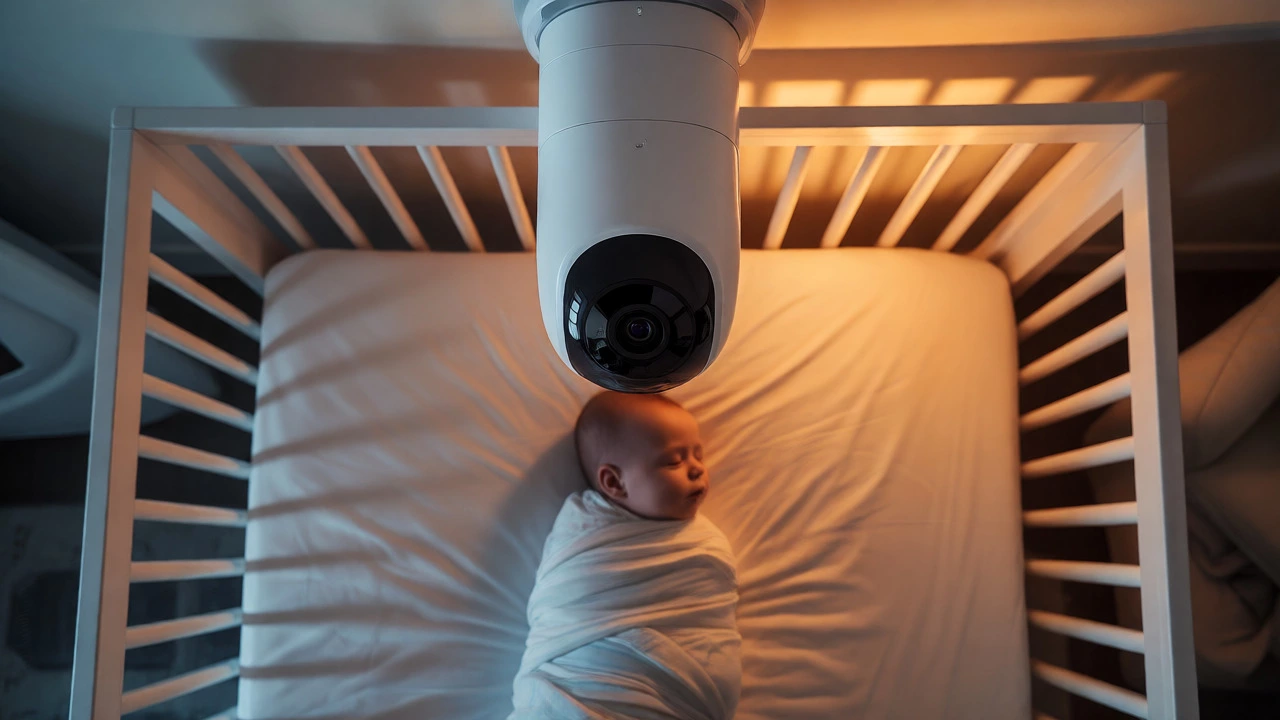
Nanit Pro is a camera-based system. It mounts overhead, looking down into the crib. It uses computer vision to track movement, infer breathing motion via a fabric band, and generate detailed sleep reports. It doesn’t touch the baby’s skin to measure heart rate; it watches them from above. It’s designed for parents who want data-driven insights into sleep patterns, temperature, and room conditions.
Owlet Dream Sock is a wearable device. It’s a sock with sensors that fit on your baby’s foot. It measures heart rate and oxygen saturation (SpO2) directly. It doesn’t care much about sleep stages or room temperature; it cares about immediate physiological safety. It’s designed for parents who want real-time vital sign alerts.
Think of it this way: Nanit is like having a sophisticated sleep consultant living in your nursery. Owlet is like having a nurse watching a heart monitor. Neither is "better" in a vacuum; they solve different problems.
Nanit Pro: The Data Nerd’s Dream
If you love graphs, trends, and knowing exactly why your baby woke up, Nanit is hard to beat. The Nanit Pro Camera offers 1080p HD video with excellent night vision. Unlike many competitors, it mounts directly over the crib, giving you a bird’s-eye view. This angle is crucial because it captures the entire sleep surface, not just the baby’s face.
The real magic, however, is in the app. Nanit provides deep sleep analytics. It tells you when your baby fell asleep, how long they stayed asleep, and even tracks growth using special sheets. For many parents, this data is gold. It helps you identify patterns, adjust nap times, and troubleshoot sleep regressions. You can see if a late-night wake-up was due to hunger, discomfort, or just a bad dream.
However, there’s a catch: the subscription. While the live stream works without a fee, accessing historical video clips and advanced sleep insights requires a paid plan. After the first year, you’ll likely pay around US$5-$10 per month depending on the tier. Some parents feel this is a "paywall" for features they thought were included. Others find the value in the long-term trend data well worth the cost.
Owlet Dream Sock: The Safety Net
Owlet takes a completely different approach. The Dream Sock fits on your baby’s foot and continuously monitors heart rate and oxygen levels. If either drops below a set threshold, the parent unit alerts you. This is particularly reassuring for parents of premature babies or those with respiratory issues.
The biggest advantage here is peace of mind regarding immediate physical safety. You aren’t guessing if your baby is breathing okay; you have numbers telling you they are. For many, this reduces anxiety significantly during the newborn phase.
But let’s talk about the downsides, because they are real. False alarms are common. Babies move, kick, and wiggle. Sometimes the sock slips, triggering an alert. Reddit threads are filled with stories of parents waking up to alarms only to find their baby perfectly fine, just moving their leg. This can lead to "alert fatigue," where you start ignoring the warnings or feeling more stressed than before.
Additionally, Owlet is less effective as a long-term sleep tool. Once your baby starts rolling and walking, the sock becomes impractical. It’s primarily a newborn-to-infant tool, whereas Nanit can grow with the child into toddlerhood.
| Feature | Nanit Pro | Owlet Dream Sock |
|---|---|---|
| Primary Function | Sleep analytics & Video monitoring | Vital signs (Heart Rate & SpO2) |
| Hardware Type | Overhead Camera + Fabric Band | Wearable Foot Sensor |
| Video Quality | 1080p HD, Excellent Night Vision | No Video (Audio only on some models) |
| Sleep Tracking | Detailed AI-driven sleep stages & trends | Basic sleep duration based on activity |
| Subscription | Required for full history/analytics (~US$50+/yr) | Generally no recurring fee for core alerts |
| Best For | Data lovers, sleep optimization, multiple kids | Anxious parents, health concerns, newborns |
| Common Complaint | Cost of subscription, battery drain on phone | False alarms, fitting issues, limited lifespan |
The Subscription Elephant in the Room
Let’s address the money question. Buying the hardware is just the start. With Nanit, you are signing up for an ongoing relationship with their cloud service. Without a subscription, you lose access to multi-day video histories and detailed sleep breakdowns. You still get live streaming and basic motion detection, but the "smart" part of Nanit is largely behind the paywall.
Owlet, conversely, has traditionally been marketed as a one-time purchase for its core safety features. While they have introduced some app features, the fundamental promise-alerting you to low oxygen or heart rate-doesn’t typically require a monthly fee. For budget-conscious families, this upfront simplicity is appealing. However, remember that Owlet’s utility window is shorter. You’ll likely outgrow it by 6-12 months, while Nanit remains useful until age 2 or 3.
User Experience: Anxiety vs. Insight
I’ve talked to dozens of parents who use both. The sentiment is split almost evenly, but for very different reasons.
Nanit users tend to report feeling empowered. They say things like, "I finally understand my baby’s sleep schedule." They enjoy sharing screenshots of sleep charts with pediatricians. The camera quality is consistently praised, especially the ability to zoom in digitally without losing clarity. However, some users complain about phone battery drain when keeping the app open overnight and the lack of a dedicated parent screen (you must use your smartphone).
Owlet users often report initial relief followed by frustration. "It saved us once," is a common refrain, referring to a genuine alert that caught a breathing issue. But equally common is, "We returned it after three weeks because of false alarms." The sensitivity settings can be tricky to calibrate. If your baby is a mover, you might spend more time resetting alarms than sleeping.

Which Should You Buy?
Choose Nanit if:
- You want high-quality video and audio monitoring.
- You are interested in sleep training and analyzing sleep patterns.
- You have multiple children and want to expand the system later.
- You don’t mind paying a subscription for premium data.
- Your baby is generally healthy and you want environmental context (temperature, humidity).
Choose Owlet if:
- You have specific medical concerns (prematurity, respiratory issues).
- Your primary fear is SIDS or silent breathing pauses.
- You prefer a one-time cost model without subscriptions.
- You are comfortable managing a wearable device on your baby’s foot.
- You want direct physiological data rather than inferred motion data.
Final Verdict
For most modern parents, Nanit offers a more comprehensive and longer-lasting solution. It integrates better into daily parenting routines, providing actionable insights that help manage the chaos of early childhood. It’s a smarter investment for the average family.
Owlet is a specialized tool. It shines in niche scenarios where physiological reassurance outweighs all else. If you have a doctor’s recommendation or extreme anxiety about breathing, it’s invaluable. But for general monitoring, it’s often overkill and under-utilized after the newborn stage.
Ultimately, don’t buy both unless you have deep pockets and high anxiety. Pick the one that addresses your biggest worry. Are you worried about *how* they sleep? Get Nanit. Are you worried about *if* they are alive? Get Owlet.
Does Nanit replace a standard baby monitor?
Yes, Nanit functions as a complete baby monitor with live video, audio, and two-way talk. However, unlike traditional monitors with a separate handheld screen, Nanit relies on your smartphone app. This means you need to keep your phone nearby and charged, which can be a drawback for some parents who prefer a dedicated display unit.
Is the Owlet Dream Sock safe for all babies?
The Owlet Dream Sock is FDA-cleared for home use for infants. However, it is not a medical device and should not replace professional medical advice. It is generally recommended for healthy infants. Parents of babies with certain heart conditions or skin sensitivities should consult their pediatrician before use, as the sensor requires good contact with the skin to function accurately.
Can I use Nanit without a subscription?
Yes, you can use Nanit without a subscription. You will still get live streaming, sound activation, motion detection, and temperature/humidity readings. However, you will lose access to recorded video clips, detailed sleep analysis reports, and growth tracking. Many parents find that the free version is sufficient for basic monitoring, while the subscription is necessary for data-driven sleep coaching.
How long do parents typically use Owlet vs. Nanit?
Owlet is typically used from birth until the baby starts rolling over or pulling up, usually around 4-6 months, as the sock becomes difficult to keep on active babies. Nanit can be used from birth through toddlerhood, often until age 2 or 3, as the camera continues to provide valuable sleep insights and general monitoring as the child grows.
Are false alarms common with Owlet?
Yes, false alarms are a frequently cited complaint with Owlet. These can occur if the sock slips, if the baby moves excessively, or if there is poor sensor contact. While newer software updates have improved accuracy, parents should expect occasional nuisance alerts, especially during the newborn phase when babies are unpredictable movers.