
Security Camera Installation Cost Estimator
Estimate your project cost using 2026 market data. Adjust the inputs below to see how different factors impact your total bill.
Project Details
Estimated Cost Range
Enter your details and click calculate to see estimates.
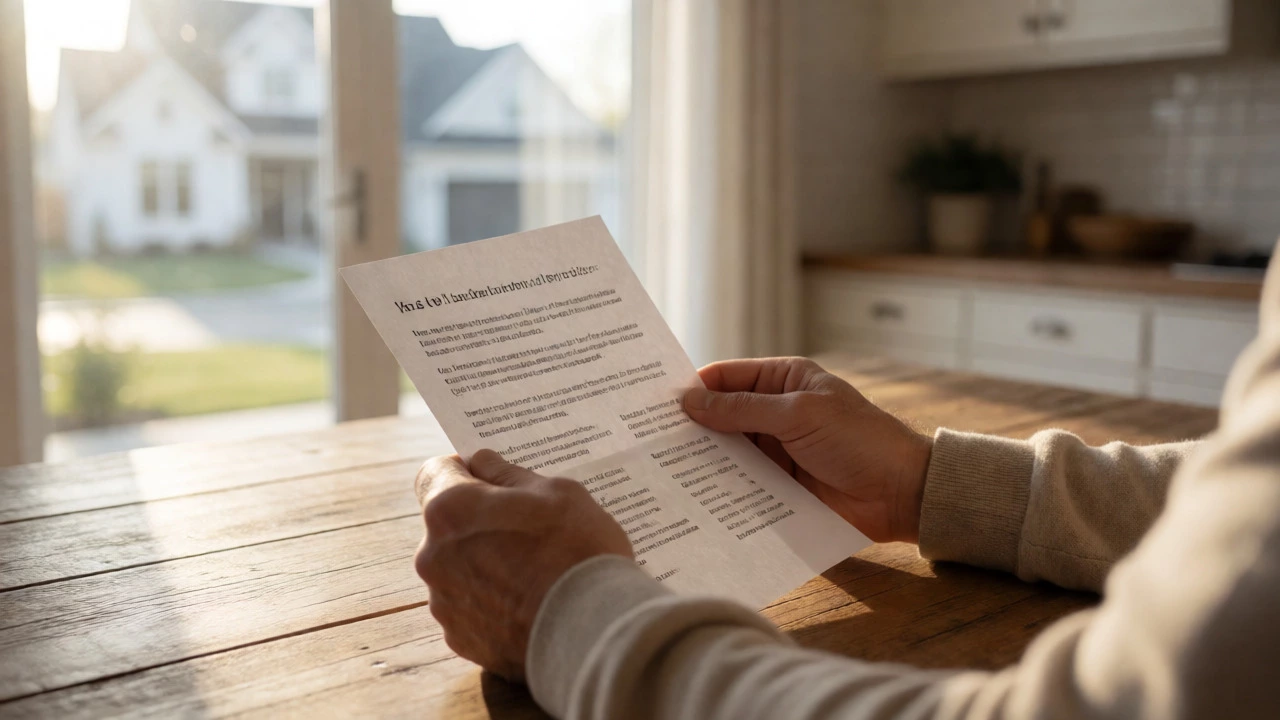
You stare at the quote on your kitchen table. It says $1,300 for four cameras. Is that a rip-off? Or is it fair? The truth is, security camera installation costs vary wildly based on where you live, how complex your wiring is, and whether you go DIY or hire a pro. In 2026, the national average for a residential system hovers around $1,289 to $1,302. But that number is just a starting point. A simple wireless setup might cost you $400, while a wired, multi-camera system with hardwired power could easily top $3,500.
Why the huge gap? Because "installation" isn't just plugging things in. It's drilling into brick, routing cables through attics, configuring network settings, and ensuring your footage actually saves when the Wi-Fi drops. This guide breaks down exactly what drives these numbers so you can spot a fair quote from a bad one.
Quick Summary: Key Takeaways
- Average Residential Cost: Expect to pay between $590 and $2,040 for a professionally installed home system, with a national average near $1,289.
- Per-Camera Labor: Professional installers typically charge $80 to $200 per camera for labor alone, excluding hardware.
- Wired vs. Wireless: Wired systems cost significantly more ($150-$450 per camera) due to cabling complexity compared to wireless units ($25-$35 per camera).
- Commercial Premium: Business installations start higher, often averaging $1,200 to $1,800 per camera fully installed due to enterprise-grade equipment and compliance needs.
- DIY Savings: Self-installation can save hundreds of dollars but requires technical confidence and time investment.
The Real Numbers: What Are You Actually Paying For?
When you see a total price, it’s rarely just for the cameras. The final bill usually includes three distinct buckets: hardware, labor, and infrastructure. According to data from HomeAdvisor and Angi updated in early 2026, the typical residential project lands between $590 and $2,040. If you’re seeing quotes under $500, check if they include hardware or just labor. Conversely, quotes over $3,500 usually indicate complex wiring, multiple floors, or high-end 4K resolution requirements.
Labor is the biggest variable. Installers aren’t just mounting brackets; they’re solving physics problems. Running a cable across a two-story exterior wall takes longer than placing a battery-powered cam on a shelf. Most pros charge by the hour ($50-$100/hr) or per camera ($80-$200). If your house has thick brick walls or no attic access, expect those hourly rates to stack up quickly. Remember, a cheap installer who rushes the job might leave loose connections that fail after the first storm.
Residential Pricing Breakdown by System Size
How many cameras do you need? That question dictates your budget more than anything else. Let’s look at real-world scenarios based on 2026 market data.
| System Size | Typical Hardware + Labor Total | Complexity Factor | Best For |
|---|---|---|---|
| 1-2 Cameras | $400 - $800 | Low (Wireless/DIY friendly) | Front door & backyard basics |
| 4 Cameras | $600 - $1,500 | Moderate (Standard NVR setup) | Full perimeter coverage |
| 8+ Cameras | $1,000 - $2,500+ | High (Multiple runs, larger storage) | Large properties or detailed monitoring |
| Complex/Wired | $3,500+ | Very High (Conduit, masonry, PoE) | Premium homes or difficult architecture |
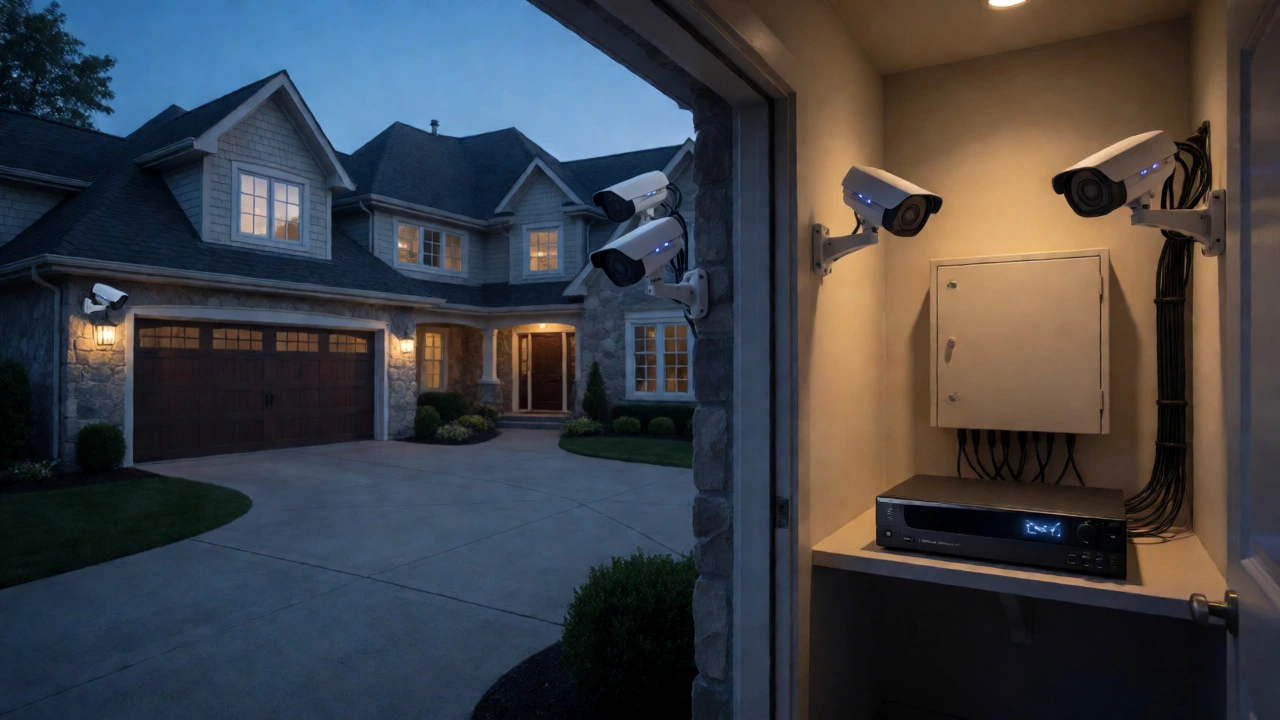
A four-camera setup is the sweet spot for most suburban homes. It covers the front, back, garage, and driveway. Eufy’s 2026 guide suggests this setup averages $600 to $1,500. Why the range? If you choose wireless cameras, installation is faster because you skip drilling holes for Ethernet cables. However, you’ll spend more on batteries or solar panels later. Wired systems offer reliability but demand skilled labor to hide wires neatly.
Wired vs. Wireless: The Hidden Cost Difference
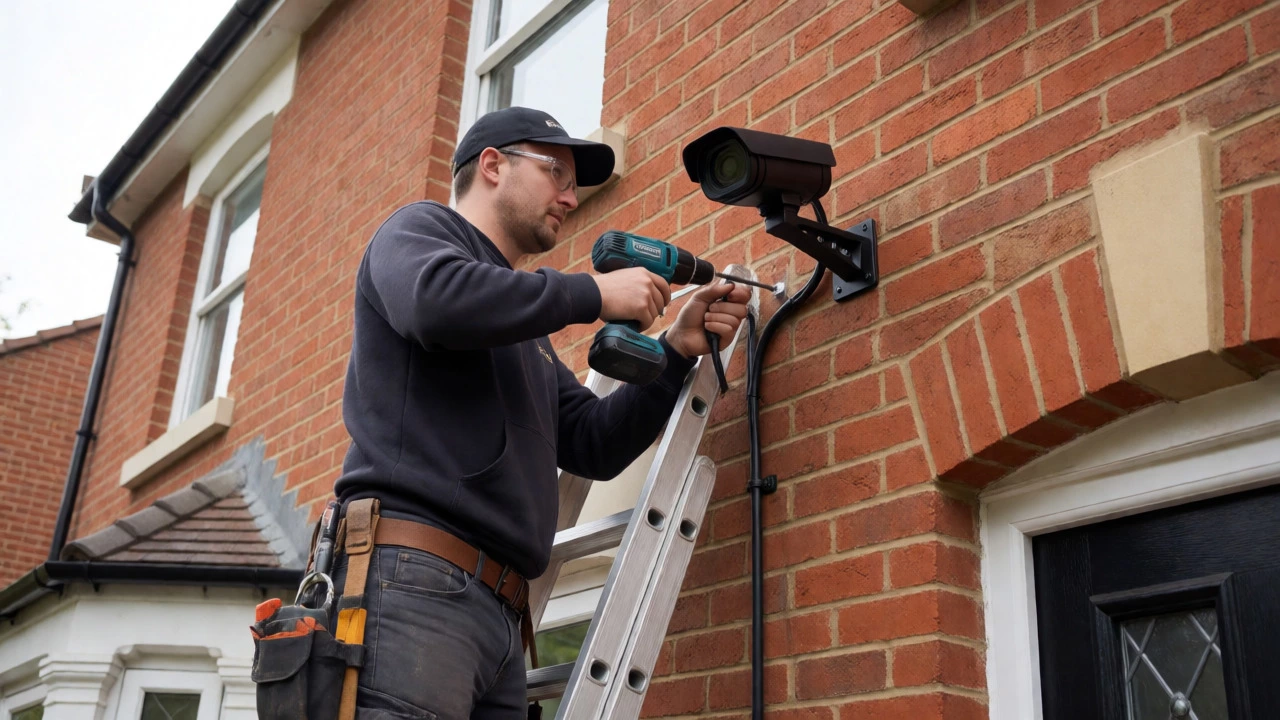
This is where budgets blow up. Wireless cameras are easy to mount. You drill two holes, hang the bracket, sync via app, done. Labor might be as low as $25 to $35 per camera if you hire someone just to place them. But wired systems-specifically Power over Ethernet (PoE)-require running Cat6 cables from each camera back to a Network Video Recorder (NVR).
If your installer has to fish cables through finished walls, crawl spaces, or use conduit on exterior brick, the labor jumps to $150-$450 per camera. AccessCabling notes that commercial-grade IP installs land at $850-$2,400 per camera, but residential jobs are cheaper. Still, don’t underestimate the difficulty. One Reddit user in r/homesecurity reported paying $2,100 for a wired system because their installer had to navigate tight ceiling joists. Another argued a $5,000 quote for a basic Australian system was a rip-off. Context matters: if the quote includes high-quality cabling and tidy workmanship, it’s worth it. If it’s messy zip-ties and exposed wires, negotiate.
Commercial Installs: Why Businesses Pay More
If you’re installing cameras for a shop, office, or warehouse, forget residential prices. Commercial systems prioritize uptime, legal compliance, and scalability. Small business owners should budget $1,500 to $4,000 for a basic 4-12 camera setup. Mid-sized operations often spend $8,000 to $18,000.
Why the premium? Enterprise cameras have better low-light performance, longer warranties, and advanced analytics like license plate recognition. These features add cost. Per-camera pricing in commercial sectors ranges from $700 to $1,500 for standard setups, climbing to $2,500+ for PTZ (pan-tilt-zoom) or thermal cameras. Additionally, businesses often require monthly monitoring contracts or cloud backup subscriptions, adding $5-$24 per camera per month to the long-term cost.
DIY vs. Professional: Is Saving Money Worth the Headache?
Can you save money by doing it yourself? Absolutely. A DIY kit might cost $500 in hardware versus $1,300 installed. But ask yourself: Do you own a stud finder, a drill bit for masonry, and a ladder tall enough for your second-floor eaves?
DIY risks include poor signal strength, water ingress behind unsealed mounts, and configuration errors that stop recording. Professional installers bundle support. If the camera fails in six months, they fix it. With DIY, you’re troubleshooting at midnight. For simple wireless setups, DIY makes sense. For wired systems requiring structural penetration, hiring a pro is often cheaper than fixing mistakes.
Factors That Inflate Your Quote
Before signing a contract, check these five cost drivers:
- Wall Material: Drilling into brick or concrete takes twice as long as drywall. Expect higher labor charges.
- Cable Length: Long runs require more cable and potentially signal boosters.
- Height: Installing above 12 feet may require special lifts or safety gear, increasing labor time.
- Network Infrastructure: If you need a new switch or router upgrade to handle PoE devices, that’s an extra hardware cost.
- Storage Type: Local NVRs have upfront costs. Cloud subscriptions shift expenses to monthly bills but reduce initial hardware needs.
Frequently Asked Questions
Is it cheaper to buy cameras separately and hire an installer?
Often, yes. Buying hardware from retailers like Amazon or Best Buy during sales can save 10-20% compared to installer-marked-up prices. However, some installers only warranty their labor if they supply the hardware. Always ask about warranty terms before buying your own gear.
Do I need a professional for wireless cameras?
Not necessarily. Wireless cameras are designed for DIY. If you’re comfortable using a smartphone app and a drill, you can likely install them yourself. Professionals are best reserved for wired systems, complex networking issues, or high-mount installations where safety is a concern.
What is the average cost per camera for professional installation?
For residential projects, labor alone typically ranges from $80 to $200 per camera. Including hardware, the total per-camera cost often falls between $250 and $500 for standard quality. High-end 4K or PTZ cameras will push this figure higher.
Are there hidden fees in security camera quotes?
Watch out for trip charges, disposal fees for old equipment, and charges for additional cabling if the site survey misses something. Also, clarify if the quote includes tax and permit costs, which vary by municipality.
How much does ongoing monitoring cost?
Self-monitoring is usually free. Professional monitoring services range from $10 to $50 per month depending on the provider and whether they dispatch police. Cloud video storage subscriptions typically cost $3-$15 per camera per month.
Next Steps: Getting Accurate Quotes
Don’t accept the first quote. Get three bids. Ask each installer to walk your property. A good installer will point out potential blind spots or lighting issues before giving a price. Check reviews on local forums or community groups-real neighbors tell you if an installer shows up on time. Finally, get everything in writing: specific camera models, cable types, warranty length, and cleanup responsibilities. Once you compare these details, the right choice becomes obvious.