
When you think about a CCTV pixel density, the number of pixels packed into each inch of a security camera’s image. It’s not just about how many megapixels the camera claims—it’s about how those pixels are spread across the scene to make details sharp enough to recognize a face, read a license plate, or spot a suspicious person in the dark. High pixel density means more detail in the same space. Low pixel density? You get blurry, blocky images that look fine on your phone screen but fall apart when you zoom in during an investigation.
Most people assume a 4K camera is always better than a 1080p one. But if that 4K camera is pointed at a huge driveway with no focus on the entry point, the pixel density drops so low that a person walking 50 feet away looks like a smudge. On the flip side, a 2MP camera mounted close to your front door, aimed right at the doorstep, can give you clearer facial details than a poorly placed 8MP camera. Camera placement, where and how you position your security cameras matters just as much as resolution. And field of view, the width of the area a camera can see directly impacts pixel density—if you widen the view, pixels get stretched thinner.
Real-world footage doesn’t lie. A 2023 test by a UK security firm showed that for identifying a person at a gate, 1080p with tight framing outperformed 4K with wide-angle distortion. The difference wasn’t in the number—it was in how the pixels were used. If you’re trying to catch someone stealing packages, you don’t need a panoramic shot of your whole yard. You need enough pixels on the porch to see their hat, their shoes, their face. That’s pixel density in action.
It’s also why two cameras with the same specs can look totally different. One might have a better lens, better image processing, or be mounted on a stable surface. A shaky camera with high resolution still gives you blurry video. And if you’re recording to a low-end NVR or compressing footage too hard, you’re throwing away those precious pixels before you even see them.
Don’t get fooled by marketing numbers. Ask yourself: What am I actually trying to see? If you need to read a license plate from 20 feet away, you need a camera with high pixel density focused on that spot. If you just want to know if someone was on your property, a lower-resolution, wide view might be enough. The goal isn’t to buy the highest resolution you can afford—it’s to get the right amount of detail where it matters most.
That’s why the posts below cover everything from how camera placement affects clarity, to why some brands cut corners on image processing, to how Wi-Fi outages and storage limits can ruin even the best pixel density. You’ll find real advice on choosing cameras that actually deliver usable footage—not just specs on a box. Whether you’re worried about false alarms from poor image quality, or you’re trying to spot a face in grainy night video, these guides cut through the noise and show you what works.
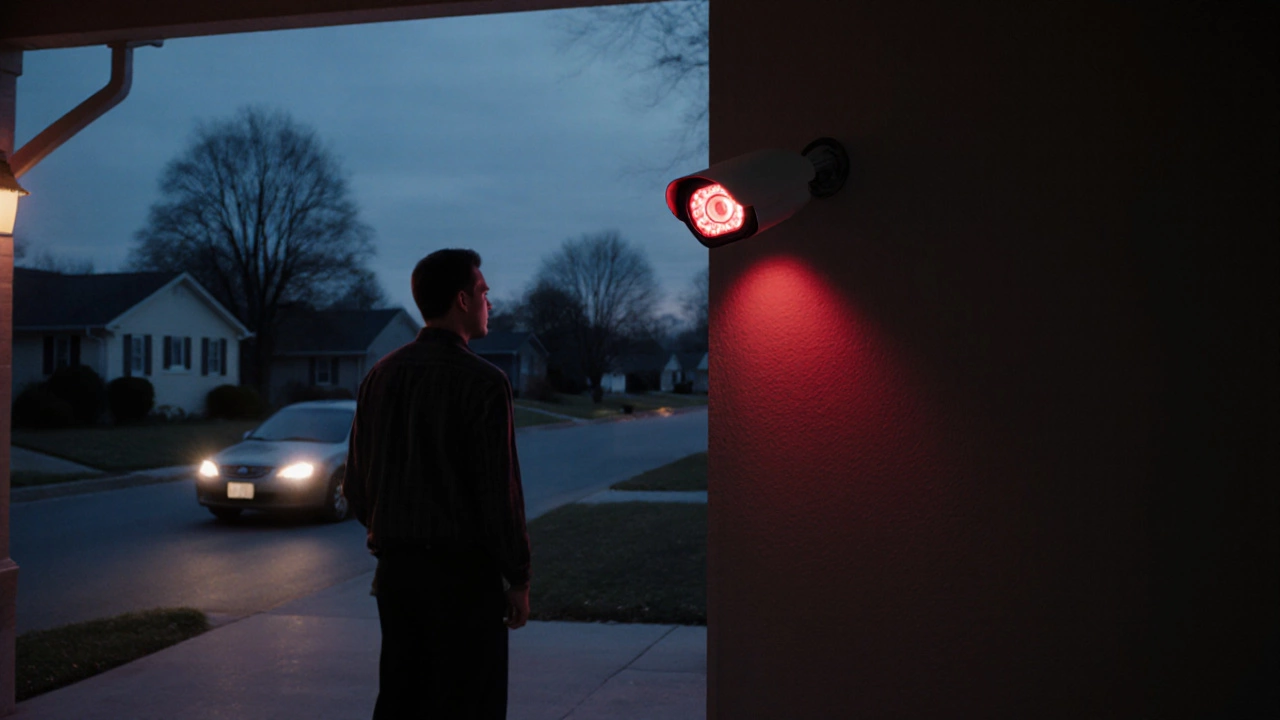
The maximum distance of a CCTV camera depends on resolution, lens, and lighting-not just specs. Learn real-world ranges for recognition, detection, and night vision with 4K and PTZ cameras.