
When you think of a wired alarm system, a security system that uses physical cables to connect sensors, control panels, and sirens. Also known as hardwired alarm, it’s often sold as the most reliable option. But reliability doesn’t mean perfect. Many homeowners and small businesses choose wired alarms because they’ve heard they’re more secure than wireless ones. And yes, they don’t rely on batteries or Wi-Fi. But that’s where the benefits end—and the real problems begin.
One of the biggest disadvantages of wired alarms is how hard they are to install. Unlike wireless systems you can set up in an afternoon, wired systems need electricians to run cables through walls, ceilings, and floors. That means drilling holes, patching drywall, and often disrupting your home or office. If you rent, your landlord won’t let you do it. If you own, you’re looking at hundreds—sometimes thousands—in labor costs. And once it’s in, you can’t move a sensor without tearing into the walls again. That rigidity makes upgrades a nightmare. Want to add a new door sensor? You’re back to the electrician. Want to move your control panel to a better spot? Forget it.
Then there’s the power dependency, how wired alarms rely on your home’s electrical grid to function. Also known as line-powered security, this makes them vulnerable when the lights go out. A power outage doesn’t just leave you in the dark—it leaves your alarm system dead unless you have a backup battery. And most backup batteries last only a few hours. If the power’s out for a day, your alarm is useless. Compare that to a wireless system with a 5-year battery life. You’re not just paying for installation—you’re paying for fragility.
Another hidden issue? false alarms, alarms triggered by non-threatening events like pets, drafts, or faulty wiring. Also known as nuisance alarms, they’re more common with wired systems because the sensors are often less smart. Older wired motion detectors can’t tell the difference between a cat walking by and a person breaking in. And because they’re hardwired, you can’t easily swap them out for pet-friendly models. That means police or neighbors get called for no reason—and you get fined in some areas. Worse, if it happens too often, you stop trusting the system. And if you don’t trust it, you’ll disable it.
And let’s not forget the wiring itself. Over time, cables can corrode, get chewed by rodents, or get damaged during renovations. A single cut wire can take down your whole system—and good luck finding it. Wireless systems don’t have this problem. If one sensor fails, you just replace it. With wired, you’re hunting through walls like a detective.
Wired alarms also don’t play nice with modern smart homes. You can’t control them from your phone unless you add expensive gateways. No remote arming, no alerts when the door opens, no integration with lights or locks. You’re stuck with a loud siren and a keypad on the wall. Meanwhile, wireless systems update over the air, learn your habits, and adapt. Wired? They’re stuck in the 1990s.
So if you’re considering a wired alarm, ask yourself: Are you paying for security—or just tradition? The truth is, most of the advantages wired alarms were once known for have been solved by modern wireless tech. Today’s systems are more secure, more flexible, and far easier to live with. The only thing wired alarms still do well? Cost you time, money, and peace of mind.
Below, you’ll find real-world breakdowns of these problems—plus how to spot them before you commit, and what to do instead.
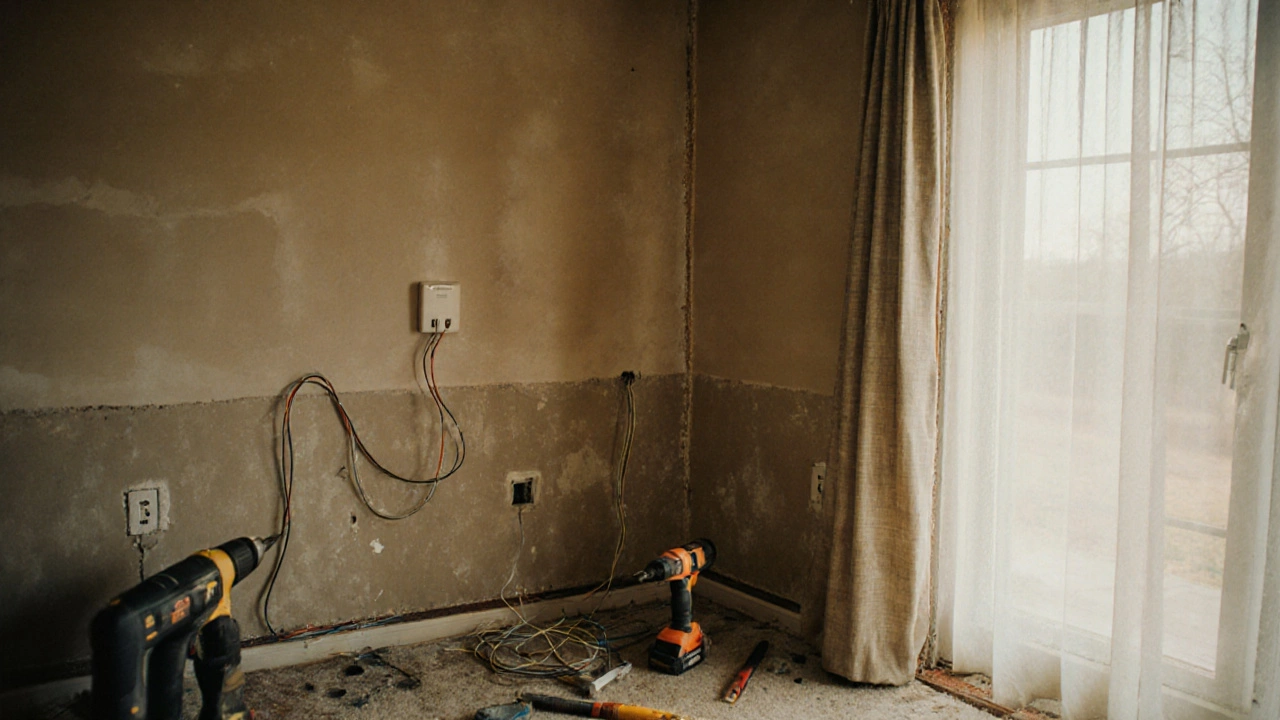
Wired alarm systems are outdated for most homes. They’re expensive to install, hard to move, ugly to look at, and easy to disable. Wireless systems now outperform them in reliability, cost, and features.