
When working with Types of Motion Sensors, devices that detect movement to trigger alarms, lights or notifications. Also known as motion detectors, they form the backbone of most modern security setups. Types of motion sensors include several families, each built around a different detection principle. For example, a PIR sensor, passive infrared detector that senses heat changes from a moving body is the most common because it’s cheap and reliable for indoor use. A microwave sensor, active radar unit that emits microwaves and measures the Doppler shift caused by motion works well outdoors or through certain obstacles where infrared may struggle. Some installers prefer a dual‑technology sensor, a combo of PIR and microwave that reduces false alarms by requiring both signals to trigger. These devices share a few core attributes: they need a power source (either mains or battery), they have a detection range measured in meters, and they offer adjustable sensitivity. The choice of sensor influences how you design the rest of the security system. Types of motion sensors encompass PIR sensors, microwave sensors, and dual‑technology sensors. Motion sensors require power and proper placement to work effectively. Smart home integration influences motion sensor performance by allowing real‑time alerts and automation. Understanding these relationships helps you pick a sensor that matches the area you want to protect, the type of traffic (people, pets, vehicles), and the level of false‑alarm tolerance you can live with. Pet‑immune models, for instance, add a filter that ignores small heat signatures, making them ideal for homes with cats or dogs. Meanwhile, outdoor security lighting often pairs with motion sensors to illuminate intruders, saving energy compared to constant on‑time lights. All of this ties back to the bigger picture: a well‑chosen motion sensor can cut down on wasted battery life, lower subscription costs for monitoring, and make your overall alarm system more reliable.
The next step is to look at how motion sensors connect with other parts of a security ecosystem. An alarm system relies on sensors to start the chain reaction; without a reliable trigger, even the best siren won’t do much. Security lighting, outdoor lights that turn on when motion is detected is a simple yet powerful example – it deters burglars and gives homeowners a clear visual cue. Smart home hubs, central controllers that link sensors, cameras and locks let you create rules like “turn on hallway lights when the hallway PIR sensor detects motion after dark”. When you integrate a dual‑technology sensor with a hub, you benefit from both reduced false alarms and instant notifications to your phone. The choice also affects installation costs: battery‑powered PIR sensors are easy DIY jobs, while microwave or dual units may need professional wiring, especially in larger commercial spaces. Lastly, consider the environment – humidity, temperature swings and nearby metal objects can interfere with microwave sensors, so a PIR‑only unit might be wiser in a damp basement. By weighing these factors you can build a tailored solution that balances cost, reliability and convenience.
Below you’ll find a curated collection of articles that dive deeper into each sensor type, explore real‑world installation tips, compare costs, and answer common questions like pet‑friendliness and power requirements. Whether you’re a homeowner looking to upgrade a single entryway or a business manager planning a full‑scale rollout, the posts ahead give you practical insights to make an informed decision.
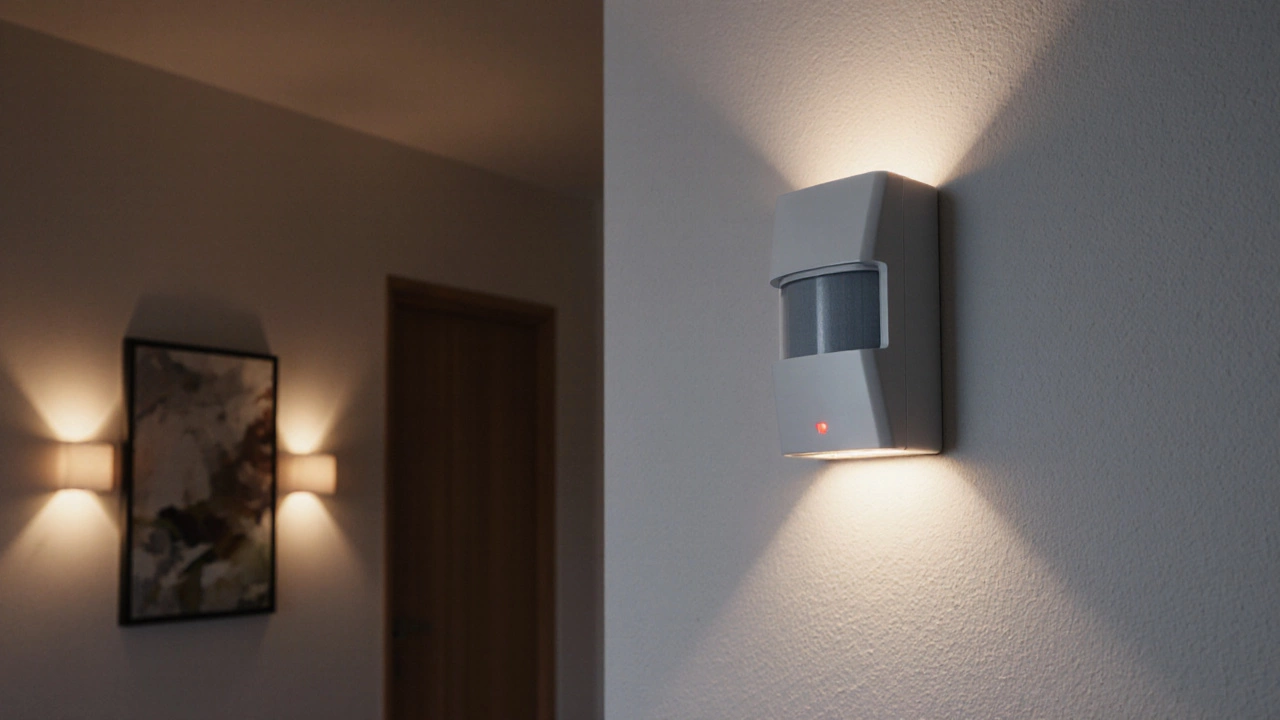
Discover the three main motion sensor types-PIR, microwave, and ultrasonic-along with their pros, cons, and best use cases for home security.