
When you buy a WiFi security camera, a wireless camera that connects to your home network to stream video over the internet. Also known as a wireless security camera, it lets you check your front door, backyard, or kids’ room from your phone—no wires, no hassle. But here’s the catch: if your Wi-Fi goes down, your camera might go silent. And if it’s poorly set up, someone else could watch your feed too. This isn’t theory—it’s what happens to people who skip the basics.
WiFi security cameras rely on your home network, which means they’re only as strong as your router. If you live in a big house or have thick walls, you might get dead zones where the signal drops. That’s why placement matters more than brand. You need a camera that works in low light, sends alerts when motion happens, and stores video where you can actually find it. Some use local storage, others need a subscription. Ring, for example, charges monthly to save clips, but not all do. And if you’ve got pets, a camera with pet detection stops false alarms from your dog running past the lens.
These cameras also connect to apps—remote camera viewing, the ability to watch live or recorded footage from any device with internet access—but not every app works with every camera. If you’ve got cameras from three different brands, you might need three apps. That’s annoying. There are tools that try to combine them, but they’re not perfect. And if you’re renting, you might need landlord approval. In the UK, GDPR rules mean you can’t point a camera at your neighbour’s door or window without risking fines. It’s not just about seeing what’s happening—it’s about doing it legally.
Power is another hidden issue. Battery-powered cameras are easy to install, but they die. Some last two months. Others, in freezing weather, last two weeks. Hardwired ones don’t need charging, but they need an outlet nearby. And if the power goes out? You’re blind unless you have a backup battery. Most don’t come with one.
There’s also the question of who’s really watching. Hackers target weak passwords and unencrypted feeds. A camera with two-factor authentication and end-to-end encryption is worth the extra cost. You wouldn’t leave your front door unlocked—don’t leave your camera feed open either.
What you’ll find below are real answers from people who’ve been there: how to fix a camera that keeps going offline, whether Ring’s monthly fee is worth it, what happens when your Wi-Fi dies, and how to pick a camera that doesn’t turn your home into a surveillance zone. No fluff. Just what works—and what doesn’t.
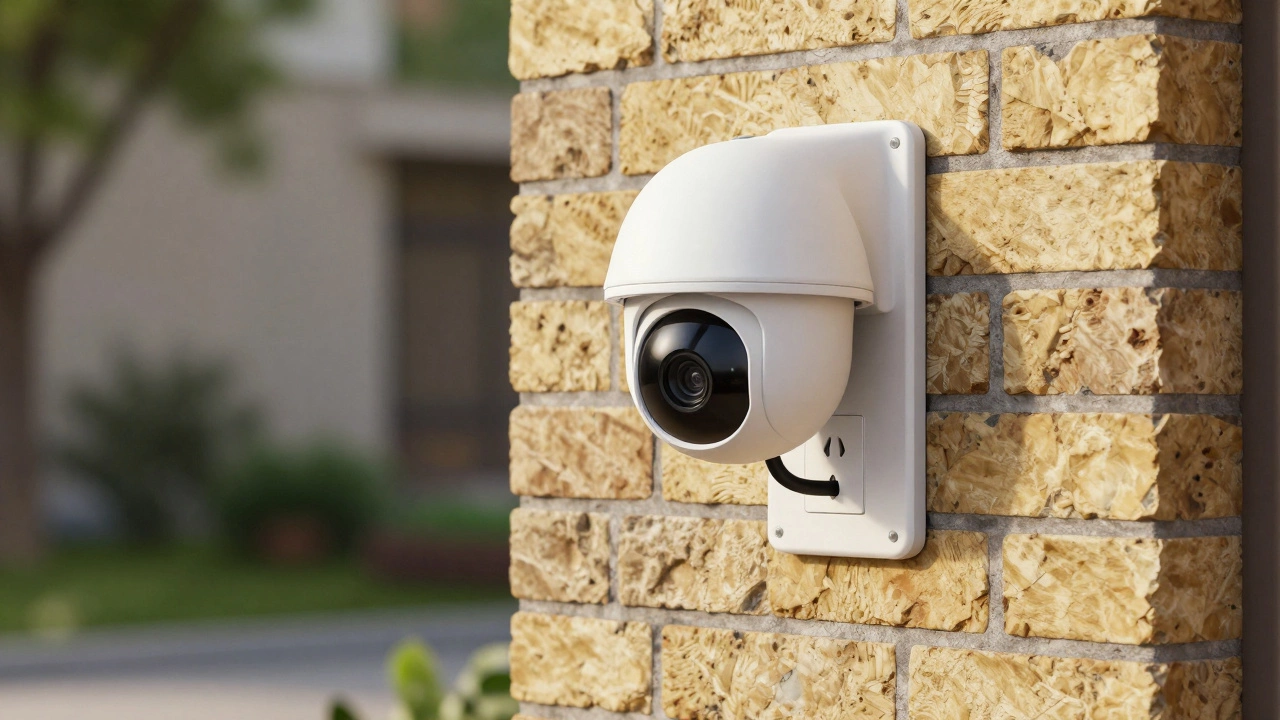
Clarifies the confusion between WiFi and wireless cameras, explaining that they are functionally similar but differ in power requirements, signal reliability, and storage capabilities for home security.
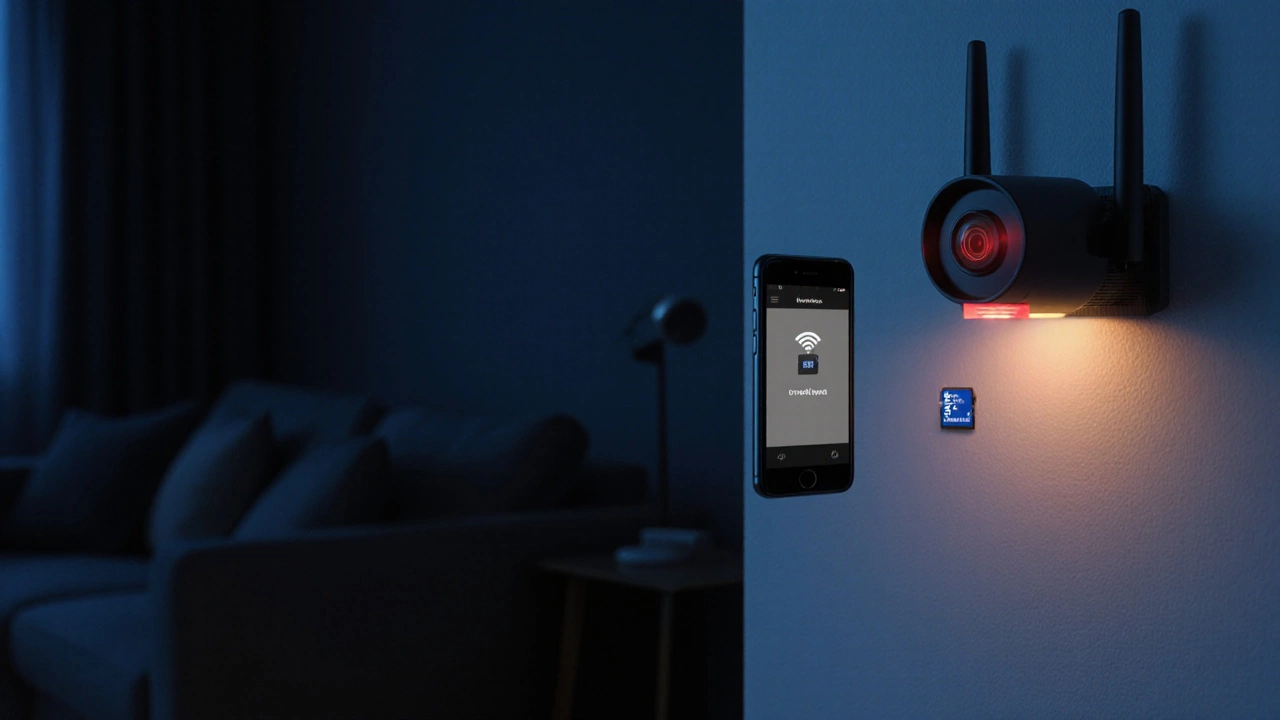
When WiFi goes out, most wireless security cameras stop sending alerts and live feeds-but many still record locally. Learn what actually works during an outage and how to protect your home.