
When you think of a wired alarm system, a security setup where sensors and control panels are connected by physical cables, not wireless signals. Also known as hardwired alarm system, it’s the original backbone of home and business security—and still the most dependable option for many. Unlike wireless systems that rely on batteries and Wi-Fi, a wired alarm system runs on constant power and physical connections. That means no dead batteries, no signal drops, and no hackers intercepting your alarm signals. It’s simple, it’s sturdy, and it’s been tested for decades.
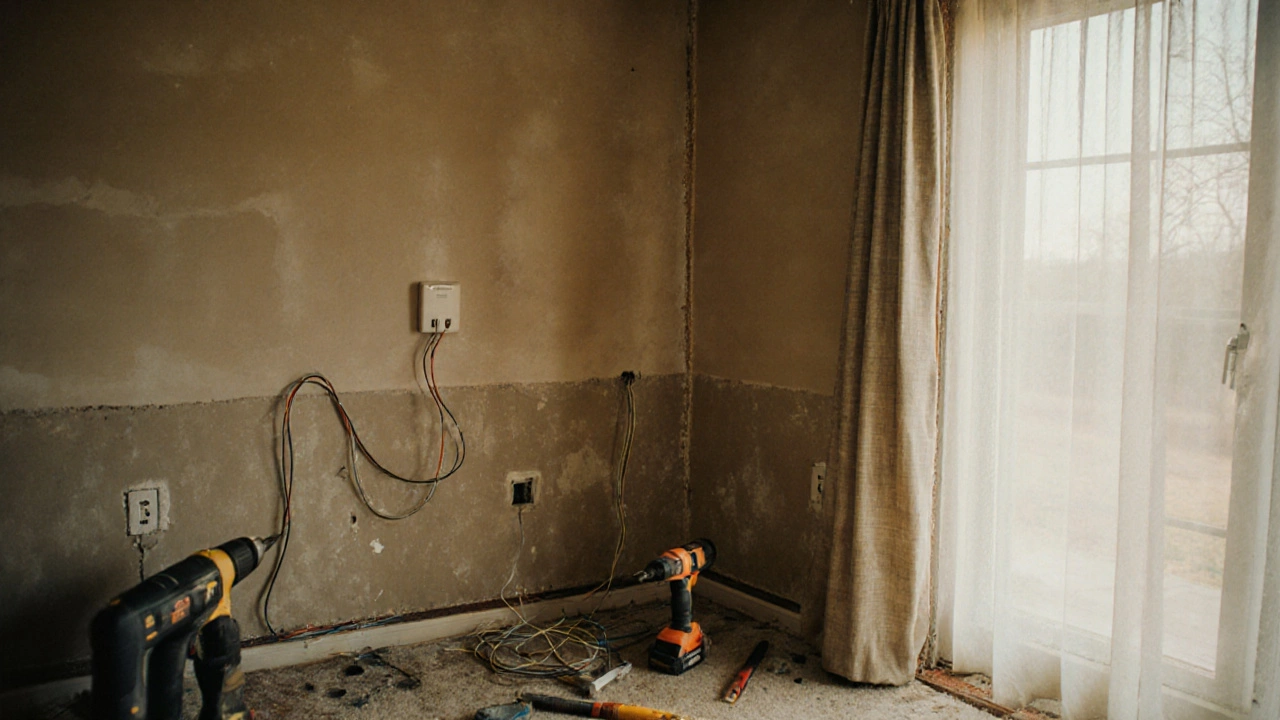
What makes a wired alarm system work is its direct link between sensors (door contacts, motion detectors, glass break sensors) and the central control panel. Each sensor is connected through low-voltage wiring, usually hidden inside walls or under floors. This setup eliminates the guesswork of signal strength or interference. If your door opens, the wire sends an immediate signal to the panel. No lag. No buffering. No app glitch. And because it doesn’t depend on your home internet, it keeps working even when the power goes out—assuming you have a backup battery on the control panel, which most professional installations include.
Related entities like alarm system components, the physical parts that make up a security system, including sensors, control panels, sirens, and keypads are built to last in wired systems. You won’t find the battery replacement headaches you get with Ring or Nest devices. And while wireless systems are trendy, they’re also more vulnerable to interference from microwaves, cordless phones, or even your neighbor’s smart fridge. A wired alarm system doesn’t care about any of that. It’s also harder for burglars to disable. Cutting a wire triggers an alarm. Disabling a Wi-Fi camera? Just unplug it.
Some people assume wired systems are outdated or too expensive to install. But modern installations are cleaner than ever. Technicians use thin, flexible cables that fit into tight spaces, and many systems now integrate with smart home hubs without needing a full rewiring job. You can still get professional monitoring, remote alerts via phone, and even app control—all while keeping the core system wired for reliability. It’s the best of both worlds: smart features on a foundation that won’t quit.
If you’ve ever had a wireless alarm go silent during a storm, or watched your camera feed freeze because your internet dropped, you know how frustrating that is. A wired alarm system doesn’t just offer security—it offers peace of mind you can count on, rain or shine, power outage or not. That’s why, even in 2025, professionals still recommend it for homes, shops, and warehouses where reliability isn’t optional.
Below, you’ll find real-world breakdowns of how wired systems compare to wireless, what they cost to install, why false alarms happen (and how to stop them), and which components actually matter when you’re choosing a system. No fluff. Just facts from people who’ve seen what works—and what doesn’t—when the stakes are high.
Wired alarm systems are outdated for most homes. They’re expensive to install, hard to move, ugly to look at, and easy to disable. Wireless systems now outperform them in reliability, cost, and features.