
When you’re choosing a security system, the biggest decision often comes down to wired vs wireless security, two fundamentally different approaches to protecting your home or business. Also known as hardwired versus radio-based systems, this choice affects everything from how easy it is to install to whether your alarms still work when the power goes out. Wired systems run physical cables from each camera or sensor back to a central hub. They’re older, but that doesn’t mean they’re outdated. Many professional installers still recommend them for large homes or businesses because they don’t rely on Wi-Fi signals that can drop or get jammed. Wireless systems, on the other hand, use radio frequencies or your home network to communicate. They’re easier to put up yourself, look cleaner, and can be moved around—but they need batteries and a strong signal to stay alive.
Here’s the thing most people miss: wireless security, a popular choice for renters and DIYers. Also known as battery-powered surveillance, it’s not just about convenience—it’s about what happens when your internet fails. If your Wi-Fi goes down, most wireless cameras stop sending alerts to your phone, even if they’re still recording locally. That’s why systems like Ring and Nest now include cellular backups or local storage as standard features. Meanwhile, wired security, a system that runs on physical cables connected to a control panel. Also known as traditional alarm wiring, it doesn’t care if your router crashes—because it’s not connected to it at all. A wired alarm will still trigger, even during a power outage, if it has a battery backup. That’s why many commercial buildings still use wired systems: they’re predictable.
It’s not just about cameras. Motion sensors, door contacts, and panic buttons all come in wired and wireless versions. A wired motion sensor won’t need a battery replacement every six months. A wireless door sensor can be stuck on a glass door without drilling. But if you live in a thick-walled house or have a lot of interference from microwaves and baby monitors, wireless signals can get messy. That’s why some modern systems use hybrid setups—wired cameras with wireless sensors, or wireless alarms with a hardwired base station. You don’t have to pick one or the other. The real question is: what matters most to you? Reliability? Ease of installation? Cost? Or the ability to move your system when you rent a new place?
Below, you’ll find real-world breakdowns of what happens when Wi-Fi dies, how dog barks trigger false alarms on different systems, whether Ring alarms still work without internet, and how battery life affects wireless cameras over time. You’ll also see how wired systems handle power outages better, why some homeowners regret going fully wireless, and what the data says about which systems burglars actually avoid. No fluff. No marketing jargon. Just what works—and what doesn’t—based on actual use cases and user experiences.
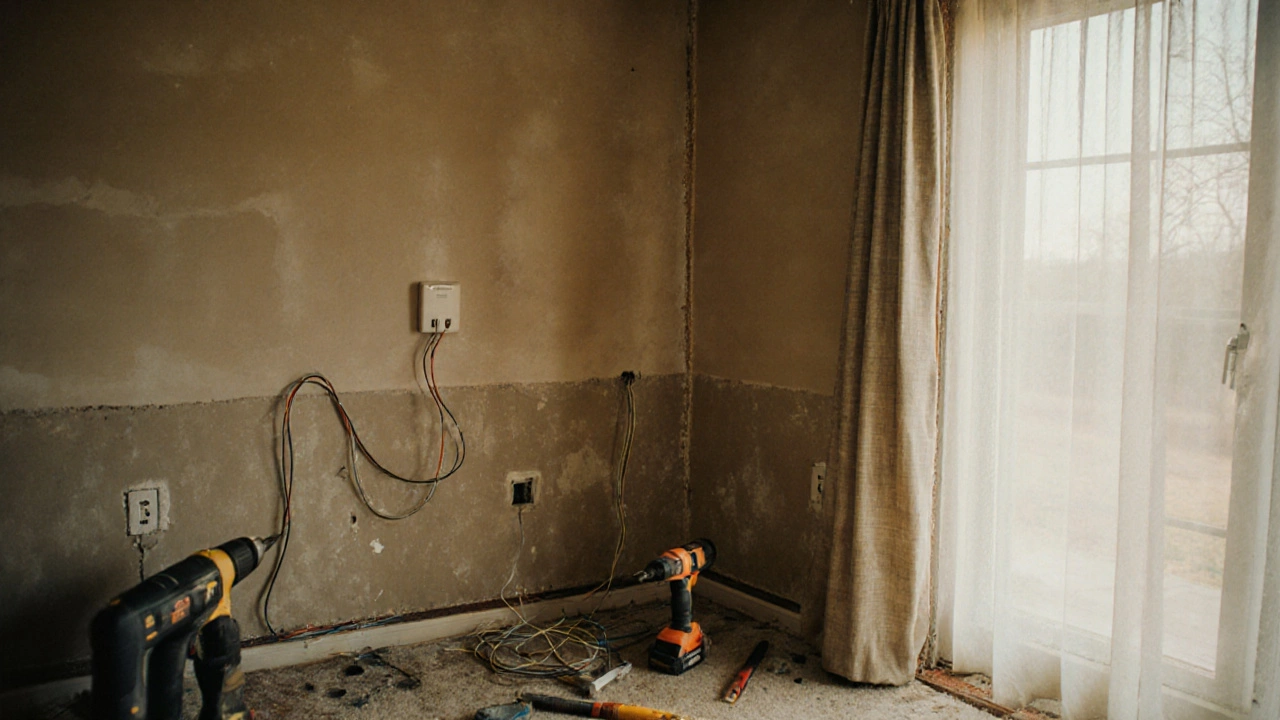
Wired alarm systems are outdated for most homes. They’re expensive to install, hard to move, ugly to look at, and easy to disable. Wireless systems now outperform them in reliability, cost, and features.