
Home Security Risk Calculator
How effective are your security measures? This tool calculates your estimated burglary risk reduction based on real-world deterrence data from ex-thieves and security studies.
Your Security Measures
Estimated Risk Reduction
Thieves don’t plan their break-ins with a checklist. They don’t care if your house looks expensive. What they care about is risk. The moment they see something that makes getting in harder, louder, or slower, they move on. And the things they hate most? They’re not hidden secrets or high-tech gadgets. They’re simple, visible, and often ignored.
Security Cameras Are the #1 Thing Thieves Avoid
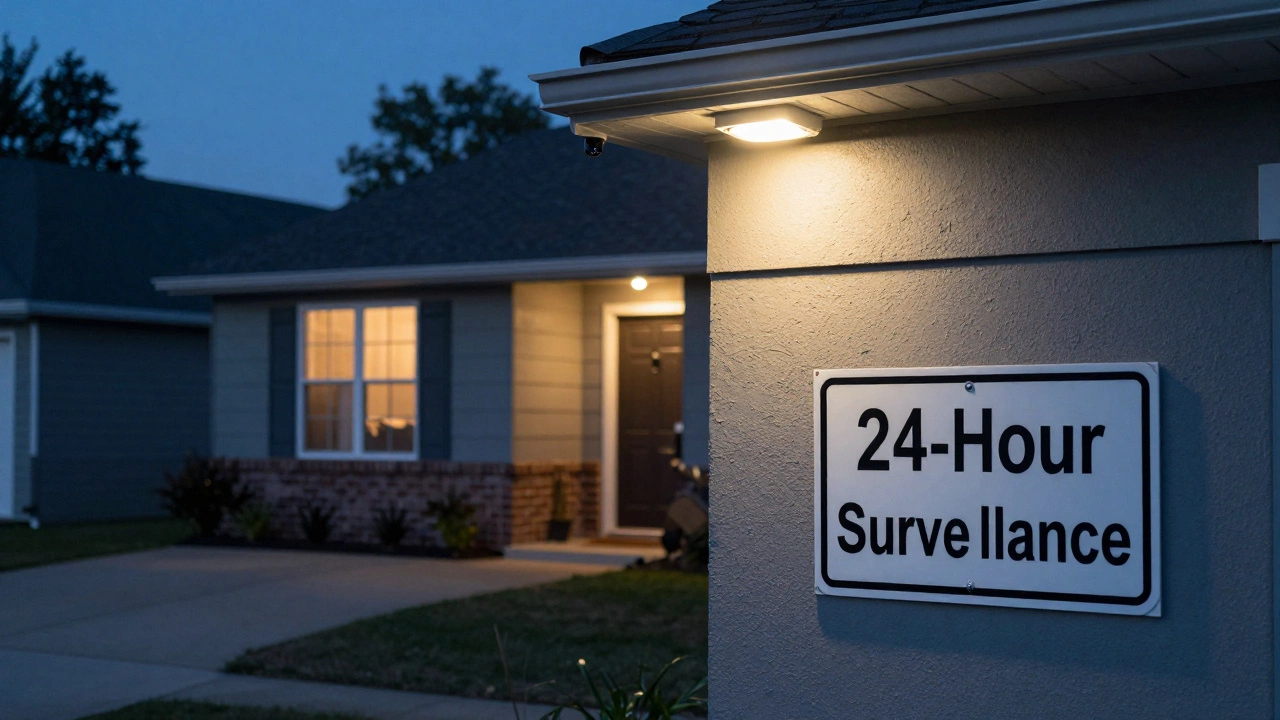
Ask a former burglar what scares them most, and they’ll tell you: cameras. Not the fancy ones with 4K resolution, but the ones you can see. A yard sign, a box mounted near the front door, a lens peeking out from under the eaves - even if it’s fake, it makes them pause. According to interviews with ex-burglars, 60% will walk away from a home that displays any kind of security camera sign, even if there’s no actual system. That’s not luck. That’s psychology. Thieves want quiet, fast, low-risk jobs. A camera means someone might be watching. It means police might get called. It means their face could be on YouTube before they even get out of the driveway.
Real cameras need to be installed right. Mount them at least 9 to 10 feet high. Too low, and they can be knocked down or covered with a bag. Too hidden, and they’re useless. The best setups aren’t hidden - they’re obvious. A camera that’s clearly visible says, “I’m not just here to look pretty.”
Alarm Systems Don’t Just Make Noise - They Make Thieves Think
Alarms are the second most hated deterrent. Not because they’re loud (though that helps), but because they change the game. A home without an alarm is 300% more likely to be broken into than one with it. That’s not a guess. That’s data from ADT’s research. Why? Because alarms turn a quiet break-in into a high-stakes event. The moment the siren blares, the burglar has maybe 10 seconds before someone calls 911. They’re not looking for a fight. They’re looking for a quick grab-and-go.
Modern alarm systems do more than scream. They send alerts to your phone. They tell you if a window opens while you’re at work. They link to motion sensors, door contacts, and even glass-break detectors. But here’s the catch: dummy alarms don’t work. Experienced thieves can spot a fake. A sticker that’s peeling, a box with no wires, a keypad that doesn’t light up - those are red flags. If you’re going to use an alarm, make sure it’s real. And make sure it’s on.
Lighting Isn’t Just for Safety - It’s for Scaring
Dark houses are easy targets. But a house with lights that turn on when someone walks by? That’s a problem. Motion-sensor lights on the driveway, back porch, and side alleys force burglars into the open. They don’t want to be seen. They want shadows. A well-lit yard means they have to move slowly. It means neighbors might notice. It means they might trip over a ladder they left leaning against the fence.
Interior timers matter too. A house that’s pitch black at 8 p.m. on a Tuesday screams “empty.” But if your living room light flickers on at 7:30, then off at 10, then on again at 11 - that looks like someone’s home. You don’t need to leave every light on. Just make it look like life is happening. Smart bulbs that let you control lights from your phone while you’re away are worth the investment.
What Thieves Look For - And What They Avoid
Thieves aren’t random. They have routines. They check for easy access. They look for open windows, unlocked doors, and tools left out in the yard. A ladder? That’s a golden ticket. A garden chair? That’s a step-up to the second floor. A shed with a broken lock? That’s where they’ll grab bolt cutters before heading inside.
They also head straight for the master bedroom. That’s where people keep jewelry, cash, and passports. So don’t hide your valuables under the mattress or in a sock drawer. Thieves know those spots. Instead, use a small safe bolted to the floor, or hide cash in a fake food container in the fridge. One guy I know keeps his emergency cash in a peanut butter jar. No one’s looked there in 12 years.
And don’t forget about glass. Many break-ins happen through windows. Single-pane glass shatters too easily. If you’ve got windows at ground level, upgrade to laminated or tempered glass. It’s not cheap, but it’s cheaper than replacing everything stolen.
Social Media Is Your Worst Enemy
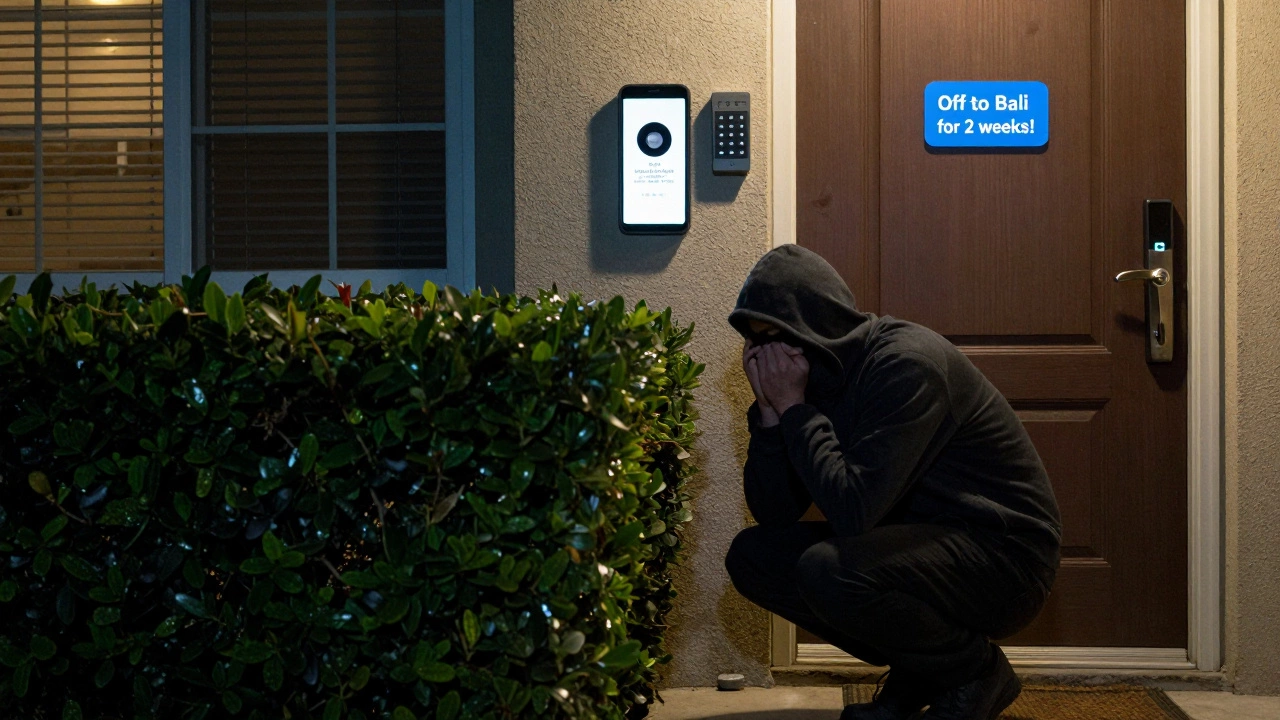
You think your vacation photos are cute. Thieves think they’re a map. Posting “Off to Bali for two weeks!” on Instagram? That’s not sharing joy - that’s inviting someone in. Same with live stories showing you leaving for work. Burglars watch social media like it’s a TV show. They wait for the perfect moment.
Even small things matter. Throwing out a TV box with your brand new 75-inch screen still printed on it? That’s a sign you’ve got expensive stuff inside. Shred everything with personal info. Use a cross-cut shredder. Scribble over barcodes with a permanent marker. Don’t assume “no one will notice.” Someone always notices.
It’s Not One Thing - It’s Layers
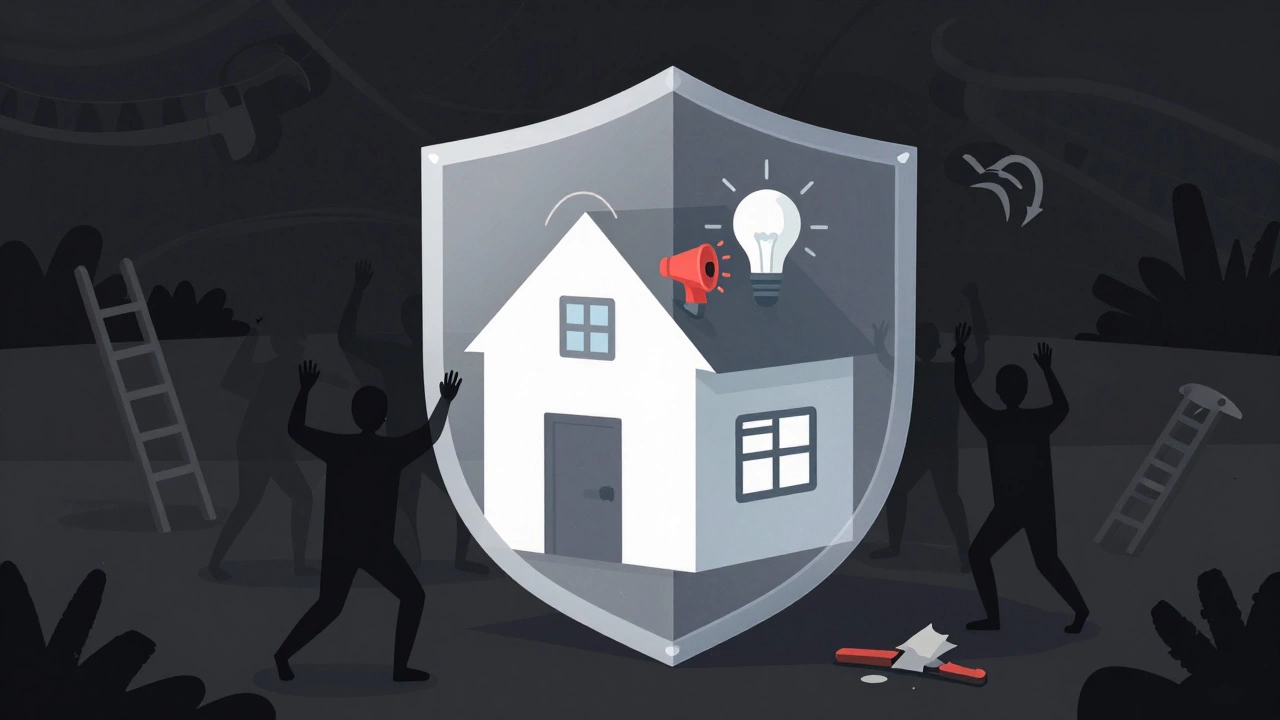
Thieves hate one thing more than anything: complexity. They don’t want to fight three systems at once. They don’t want to climb a fence, dodge a camera, trigger an alarm, and then break through reinforced glass. That’s too much. That’s not worth the risk.
The most effective security isn’t about buying the fanciest gadget. It’s about stacking the odds. A visible camera. A working alarm. Motion lights. Locked doors. Smart locks that auto-lock at night. Shredded mail. No ladders outside. Windows that won’t shatter. All of it together.
One system alone? Maybe it helps. But a full setup? That’s what makes a house look like a bad investment. Thieves aren’t stupid. They’re lazy. And they’re smart enough to know when the job isn’t worth it.
Insurance Discounts and Real Savings
Installing a monitored security system doesn’t just keep thieves away - it saves you money. Homeowners insurance companies give discounts of 5% to 20% if you have a system with remote monitoring, alarms, and cameras. That’s hundreds of dollars a year back in your pocket. And with average burglary losses hitting nearly $3,000 per incident, that system pays for itself in months.
The home security market is growing fast. More than 78% of new systems installed in 2022 had smartphone integration. That means you can check your front door from your office, or turn on lights from the highway. It’s not sci-fi anymore. It’s standard. And thieves know it.
What You Should Do Today
- Check every door and window. Lock them. Even if you’re just stepping out for coffee.
- Install a visible security camera - real or dummy - but make sure it looks real. A fake one with a peeling sticker won’t fool anyone.
- Set up motion-sensor lights on the back and side of your house. Use timers for inside lights.
- Remove ladders, garden tools, and chairs from outside. Store them in a locked shed.
- Shred all packaging with brand names or serial numbers. Don’t leave it on the curb.
- Turn off social media check-ins while you’re away. Wait until you’re back to post.
- Consider a smart lock that auto-locks and sends alerts.
You don’t need to spend thousands. You just need to be smarter than the thief. And most of them aren’t.
Do fake security signs work to scare off thieves?
Yes - but only if they look real. A sign that’s faded, crooked, or clearly made of cardboard won’t fool anyone. Thieves have seen them all. A professional-looking sign, even without a system, can cause 60% of burglars to move on. But if you’re going to use one, pair it with real security. A fake sign with no cameras or alarms is a gamble.
What’s the cheapest way to improve home security?
Lock every door and window. That’s free. Then install motion-sensor lights - they cost under $30 each. Next, get a cross-cut shredder for mail and packaging. These three steps alone cut your risk by more than half. You don’t need a $2,000 system to make your home a hard target.
Do smart locks prevent break-ins?
Not by themselves, but they add a powerful layer. Smart locks let you lock doors remotely, check who entered, and set temporary codes for cleaners or guests. Thieves can’t pick a lock if it’s already locked from the inside. And if they try to force it, you’ll get an alert on your phone. That alone makes your home a much less attractive target.
Why do burglars avoid homes with alarms?
Because alarms mean speed is gone. Burglars want to get in, grab what they need, and get out in under 90 seconds. An alarm turns that into a high-risk situation. It draws attention. It triggers a call to police. It makes them vulnerable. Most burglars aren’t violent - they’re opportunistic. An alarm removes their opportunity.
Is it true that most burglars know where to find valuables?
Yes. They’ve done this before. They check the master bedroom first - under pillows, in drawers, behind picture frames. Then they look in the bathroom medicine cabinet, the kitchen pantry, and the office desk. If you hide cash or jewelry in obvious places, you’re practically handing it over. Use a hidden safe, a false-bottom container, or even a fake food can in the fridge. It’s simple. And it works.