
Guard Dog vs. Watch Dog Selector
Choose Your Situation
1. Where do you live?
2. How much time can you dedicate daily?
3. What's your experience with dogs?
4. What's your budget for training?
5. How much protection do you need?
How It Works
This tool analyzes your lifestyle and security needs to determine if you'd be better suited for a guard dog or watch dog (often mistakenly called "alarm dog").
Guard dogs are trained to actively deter threats through barking, blocking, and physical intervention. They require significant time, training, and space.
Watch dogs alert you to potential threats through barking but don't physically intervene. They're ideal for apartments and busy households.
Your Recommendation
People often say they want a dog to protect their home, but they don’t always know what kind of protection they’re really asking for. Is it just about barking when someone shows up? Or do they want the dog to actually stop a threat? The difference between a guard dog and what some call an "alarm dog" isn’t just semantics-it’s life or death. And no, "alarm dog" isn’t a real category you’ll find in professional training manuals. But there’s a very real difference between a dog that barks and a dog that acts.
What Most People Think an "Alarm Dog" Is
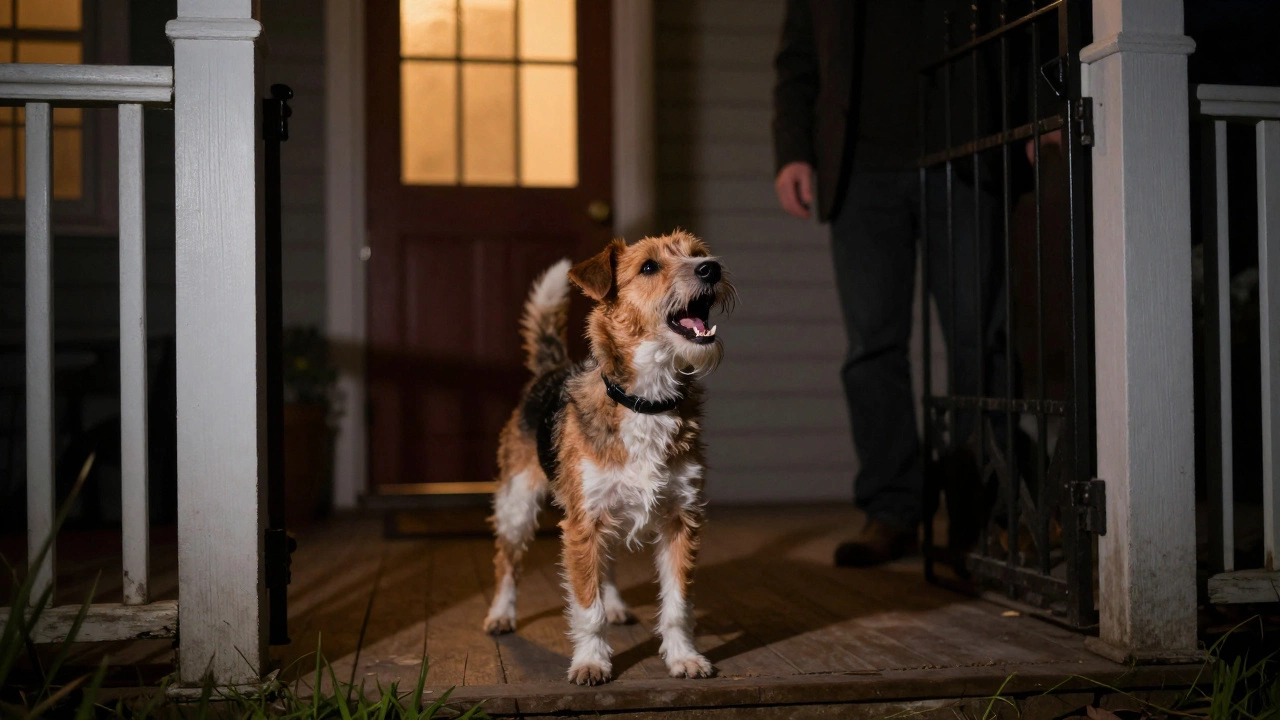
When folks talk about an "alarm dog," they usually mean a dog that barks loudly when something strange happens. Think of a small terrier yapping at the mail carrier, or a beagle howling at a squirrel. These dogs aren’t trained to attack. They don’t chase. They just make noise. And that’s actually useful. A dog that barks at strangers can warn you someone’s on your property before they even get to the door.
This kind of dog is what trainers call a watch dog. Watch dogs don’t need to be big. They just need to be alert. A good watch dog notices what’s normal and what’s not. Your neighbor walking their kid to school? No bark. A stranger climbing over the fence at 2 a.m.? That’s the signal. These dogs are smart. They don’t waste energy on false alarms. And they’re perfect for apartments, condos, or homes where you don’t want a big, intimidating animal.
But here’s the catch: a watch dog’s job ends at the bark. It doesn’t move. It doesn’t block. It doesn’t bite. If the person ignores the noise and keeps coming, your dog is just a loud alarm system with fur.
What a Guard Dog Actually Does
A guard dog is something else entirely. It’s not just a barker. It’s a deterrent, a barrier, and sometimes, a last line of defense. Guard dogs are trained to do three things: bark loudly, show aggression to scare off intruders, and if needed, physically intervene.
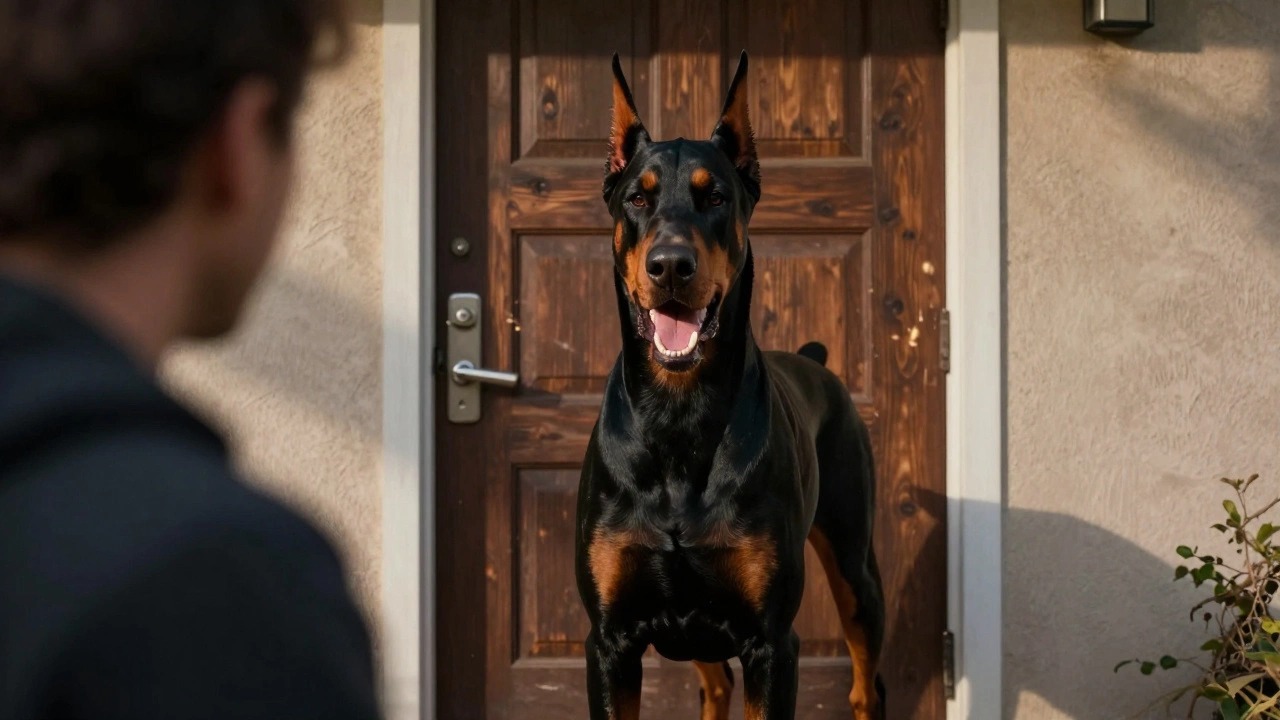
Unlike a watch dog that just alerts, a guard dog creates a psychological wall. A burglar doesn’t just hear a dog-they see a 70-pound Doberman standing between them and the door, lips curled, growling low and steady. That’s enough to make most people turn around. Studies show over 60% of burglars will abandon a break-in if they hear or see a dog inside. That’s more than any alarm system can claim.
Guard dogs aren’t randomly aggressive. They’re trained to read situations. A friendly visitor? No problem. A man breaking a window? That’s when the dog moves. Properly trained guard dogs learn to distinguish between threats and non-threats. They don’t attack the mailman. They don’t chase the kids next door. They protect what matters.
Breeds that commonly work as guard dogs include Dobermans, Belgian Sheepdogs, Bouviers, and Swiss Mountain Dogs. These aren’t just big dogs-they’re intelligent, loyal, and built for control. You can’t turn any large dog into a guard dog. It takes months of consistent training, often with professional handlers. And it’s not cheap. Training can cost several thousand dollars. But the result? A living, breathing security system that never runs out of battery.
Guard Dogs vs. Alarm Systems
People compare guard dogs to alarm systems all the time. But they’re not the same. An alarm system beeps when a door opens. A guard dog barks when someone approaches the driveway. That’s hours of warning before a break-in even starts.
Here’s how they stack up:
| Feature | Guard Dog | Alarm System |
|---|---|---|
| Detection Range | 100+ feet ahead-can sense movement, scent, sound | Only triggers after entry (door/window sensor) |
| Response | Barks, growls, blocks, may attack | Loud siren, alert to monitoring center |
| Power Dependency | None-always on, 24/7 | Needs electricity, backup battery, cellular connection |
| False Alarms | Low-if properly trained | High-pets, wind, trees trigger sensors |
| Portability | Protects you anywhere | Only works at home |
| Emergency Detection | None | Can detect fire, CO, flooding |
Alarm systems are great for notifying you after a break-in happens. Guard dogs help stop it before it starts. And they don’t need an app update. They don’t get hacked. They don’t lose signal. They’re just there-always.
The Hidden Costs of a Guard Dog
Before you get a guard dog, you need to know what you’re signing up for. This isn’t like getting a cat. A guard dog is a full-time job.
- Food costs: A 90-pound German Shepherd eats 4-5 cups of premium kibble daily. That’s $80-$120 a month.
- Exercise: They need 90+ minutes of activity every day. No exceptions. A tired dog is a bored dog. A bored dog is a dangerous dog.
- Training: Professional training can cost $5,000-$10,000. DIY training takes 6-12 months and requires serious skill.
- Travel: You can’t just leave your guard dog alone for a weekend. You need someone to feed, walk, and monitor them. Boarding isn’t always safe for trained protection dogs.
- Risk: An improperly trained guard dog can turn on its own family. Aggression isn’t something you can fix with treats. Once a dog learns to bite, it’s hard to undo.
And if you live in a city apartment? Forget it. Most landlords ban guard dog breeds. Insurance companies raise rates or drop coverage. You need space, time, and commitment.
What About Attack Dogs?
You might hear people say "attack dog" like it’s the same thing as a guard dog. It’s not. Attack dogs are trained to bite on command-and stop on command. They’re used by police, military, and high-risk security teams. They’re not pets. They’re tools.
A true attack dog doesn’t bark first. It waits. It watches. Then, on cue, it moves fast and hard. These dogs are not for home use. The risk of accidental injury to children, guests, or even yourself is too high. Even trained handlers have been bitten by their own dogs in high-stress situations.
Most homes don’t need an attack dog. They need a guard dog. One that deters, not one that maims.
So… Is There Such a Thing as an "Alarm Dog"?
Technically? No. There’s no such thing as an "alarm dog" in professional dog training. What people mean is a watch dog. A dog that alerts. A dog that barks. A dog that makes noise but doesn’t act.
If you want a dog that just barks when someone comes near? Get a small, alert breed like a Miniature Schnauzer or a Shih Tzu. Train them to bark on command, then reward silence when it’s safe. You’ll have a natural alarm system without the weight, cost, or risk of a guard dog.
If you want a dog that can stop a threat before it reaches your door? Then you need a guard dog. And that’s not just about breed. It’s about training, time, and responsibility.
What Should You Choose?
Ask yourself:
- Do I want my dog to scare off intruders before they get close? → Go for a guard dog.
- Do I just want to know when someone’s on my property? → A watch dog is enough.
- Am I ready to spend $10,000 and 2 hours a day on training and care? → Then a guard dog might work.
- Do I live in a small space, have kids, or travel often? → Skip the guard dog. Get a smart alarm system instead.
There’s no right answer. But there’s a right choice-for your home, your lifestyle, and your safety.
Can any dog be trained as a guard dog?
No. While many dogs can be trained to bark, only certain breeds have the size, temperament, and drive to be true guard dogs. Breeds like Dobermans, Belgian Sheepdogs, and Bouviers are naturally suited. Smaller or overly friendly breeds, like Golden Retrievers or Poodles, simply don’t have the instinct or physical presence to deter serious threats-even with training.
Are guard dogs dangerous to kids or guests?
Not if they’re properly trained. A well-trained guard dog learns to differentiate between family, friends, and strangers. They don’t attack out of fear or aggression. But poorly trained dogs can be unpredictable. Always supervise interactions, especially with children. Never leave a guard dog alone with unfamiliar people.
Do guard dogs need to be chained or confined?
Never. Guard dogs should have freedom to patrol and respond. Chaining them makes them anxious and aggressive. A properly trained guard dog is kept inside the home or in a secure yard-not caged. They need space to move, think, and act naturally.
Can a guard dog protect me outside my home?
Yes. Unlike an alarm system, a guard dog travels with you. If someone tries to rob you on a walk, a trained guard dog can step in-barking, blocking, or even deterring the attacker. This mobility is one of the biggest advantages over electronic systems.
Is a guard dog better than a security camera?
It depends. Cameras record. A guard dog acts. If you want evidence after a break-in, cameras win. If you want to stop a break-in before it happens, a guard dog has the edge. The best option? Use both. A camera for monitoring, and a guard dog for real-time deterrence.
Final Thought
There’s no magic solution to home security. A guard dog isn’t a weapon. It’s a partner. One that needs care, training, and respect. And if you’re not ready to give it that? Then don’t get one. There’s no shame in using a smart alarm system. They’re reliable, affordable, and don’t need walks or vet bills. But if you want something that doesn’t just alert you-but stands between you and danger? That’s where a guard dog changes everything.