
Guard Dog Selector Tool
Not sure which scary breed fits your life? Answer these questions to find your ideal guardian.
Important Note on Ownership
Remember: A "scary" dog is only effective if it is well-trained. Untrained powerful breeds can be liabilities. Always check local council regulations regarding breed restrictions and insurance requirements before adoption.
You walk up to a dark gate. A low growl vibrates through the metal before you even see the shape. Is it a Doberman or a Rottweiler? Does it matter if the result is the same: an intruder turns around and runs? The question of what makes a dog "scary" isn't just about size. It’s a mix of psychology, reputation, and raw physical presence. If you’re looking for a living alarm system that does more than bark, you need to understand which breeds actually trigger fear in potential burglars.
The Psychology of Fear: Why Some Dogs Terrify More Than Others
Fear isn’t random. Intruders assess risk in seconds. They look for three things: visual intimidation, audible warning, and perceived unpredictability. A Chihuahua might bite hard, but it rarely stops a determined thief. A German Shepherd is a working breed known for intelligence and protective instinct, often used by police forces worldwide. That association alone creates psychological friction. When a burglar sees a dog associated with law enforcement, they assume it’s trained, disciplined, and dangerous.
But scariness is subjective. For some, the sleek, athletic build of a Doberman signals high energy and speed. For others, the massive bulk of a Tibetan Mastiff represents an immovable wall of muscle and fur. Understanding these triggers helps you choose a dog that fits your security needs, not just your ego.
Top Contenders for the Title of "Scariest" Guard Dog
There is no single scientific metric for "scariness," but expert consensus and community sentiment point to a few heavy hitters. These breeds dominate lists because they combine physical power with a history of guarding work.
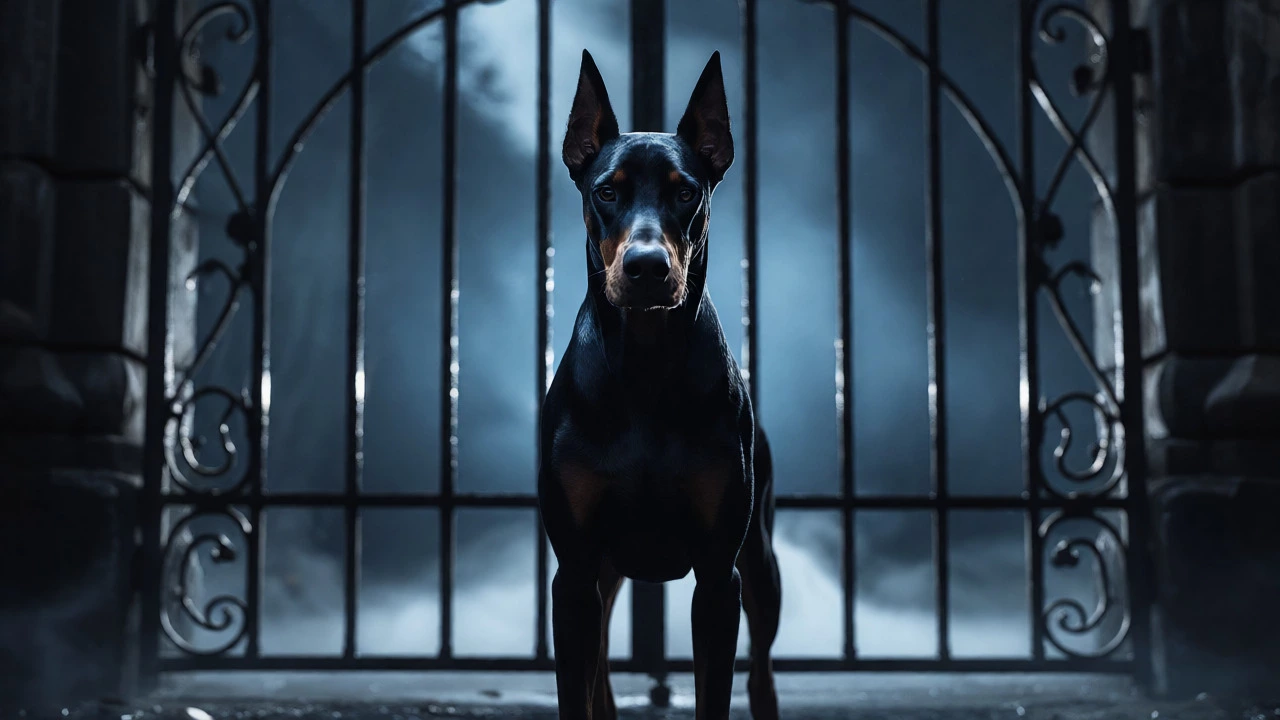
Doberman Pinscher: The Silent Threat
Veterinary experts often label the Doberman Pinscher as one of the most intimidating breeds due to its alert posture and historical role as a personal protection dog. Unlike bulky mastiffs, Dobermans are lean and aerodynamic. This suggests speed. An intruder knows this dog can close distance instantly. Their intense stare and cropped ears (in regions where legal) enhance their alien-like appearance. They don’t always bark first; they watch. That silence is unnerving.
American Pit Bull Terrier: Reputation Precedes Bite
If we look at statistics regarding fatal attacks, the American Pit Bull Terrier frequently tops the list, contributing to its fearsome public image. Critics argue this reputation is inflated by media coverage, while supporters point to the breed’s powerful jaw structure and tenacity. To a stranger, a pit bull looks compact and explosive. The fear factor here is largely reputational. Many people believe a pit bull won’t let go once it bites. Whether true or not, that belief deters trespassers effectively.
Rottweiler: The Classic Enforcer
The Rottweiler is an ancient herding and guarding breed from Germany, known for its broad chest and serious demeanor. They look like they were carved out of granite. Their deep bark resonates in the chest. Rottweilers aren’t hyperactive; they are steady. This stability makes them unpredictable to outsiders who expect barking chaos. Instead, you get a focused guardian that judges threats calmly before escalating.
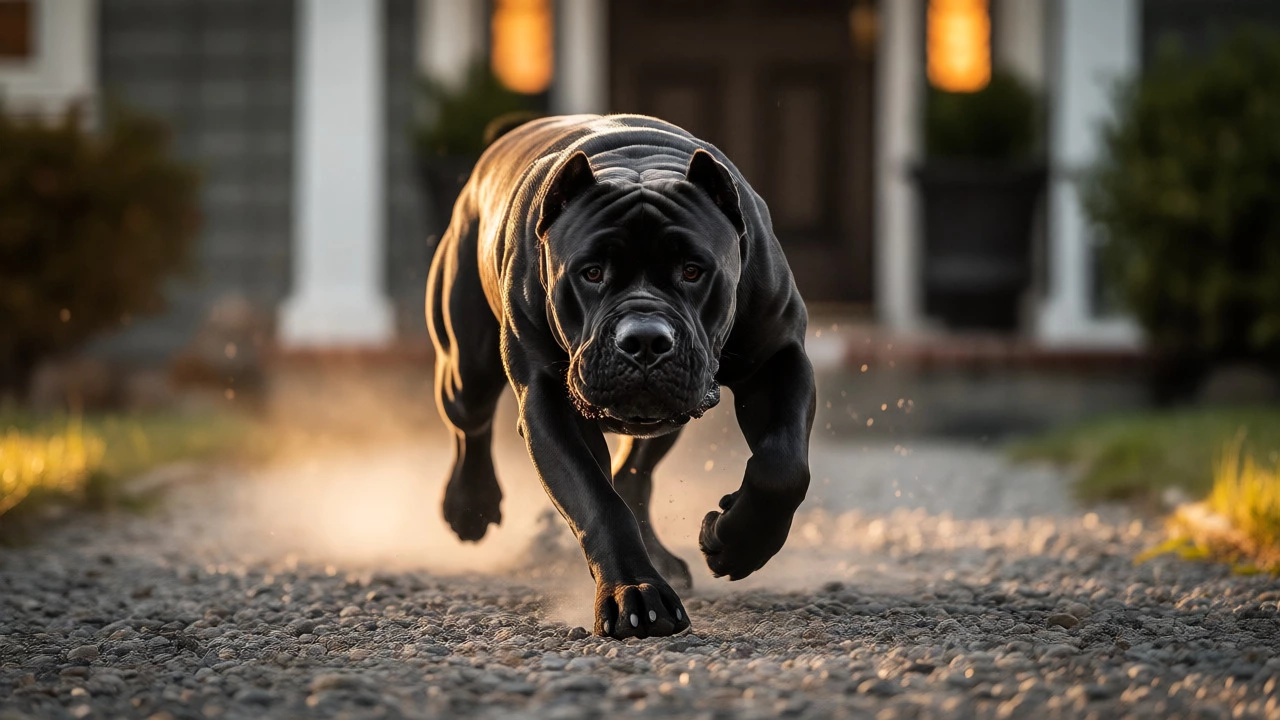
Cane Corso and Boerboel: The Heavy Hitters
If size equals fear, then the Cane Corso and Boerboel are at the top of the food chain. The Cane Corso, an Italian mastiff, combines agility with immense strength. The Boerboel, bred on South African farms to fight off leopards and thieves, is essentially a tank. Seeing a 100-pound dog charge at you is terrifying regardless of breed specifics. These dogs offer physical deterrence that smaller breeds simply cannot match.
Visual vs. Behavioral Intimidation
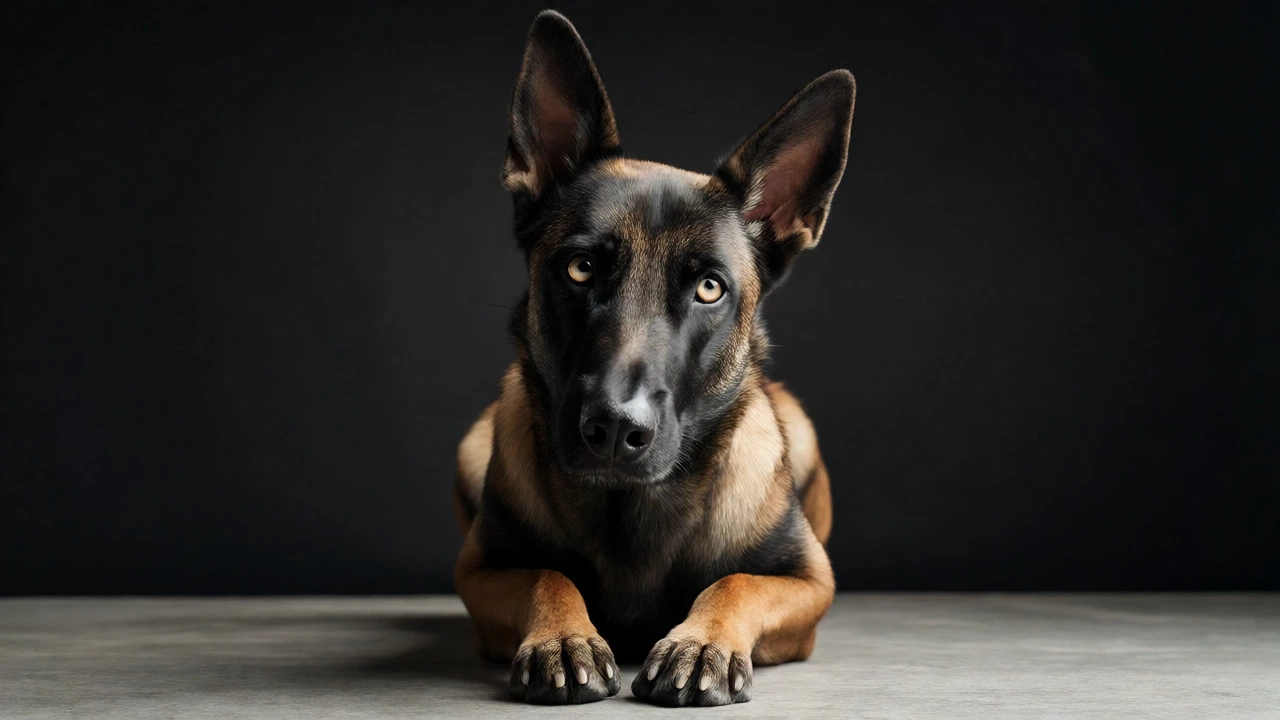
Not all scary dogs look scary. Some rely on behavior. A Belgian Malinois is a high-drive working breed often mistaken for a German Shepherd but with higher energy levels. In the wrong hands, a Malinois is chaotic. In the right hands, it’s a laser-focused protector. Its intensity is palpable. You can feel the tension when a Malinois locks onto a target. It doesn’t need to be huge; its focus is enough to make most people back away slowly.
Conversely, a Great Dane may be gentle but its sheer height provides instant visual shock. Height triggers primal fear responses. Even if the dog is friendly, the shadow it casts over an intruder is significant. However, without proper training, a Great Dane’s lack of aggression might limit its effectiveness as a true guard dog compared to a reactive Doberman.
| Breed | Primary Intimidation Factor | Trainability | Family Suitability |
|---|---|---|---|
| Doberman Pinscher | Speed, Alertness, Stare | High | Moderate (Needs socialization) |
| American Pit Bull Terrier | Reputation, Jaw Strength | Moderate-High | High (Often very affectionate) |
| Rottweiler | Size, Deep Bark, Stability | Moderate | High (Protective of children) |
| Tibetan Mastiff | Massive Size, Lion-like Mane | Low (Independent) | Low (Difficult to manage) |
| Belgian Malinois | Intensity, Work Drive | Very High | Moderate (Requires experienced owner) |
The Subjectivity of Fear: Community Perspectives
Ask ten people which dog scares them most, and you’ll get ten different answers. Online forums reveal surprising trends. While big breeds dominate, many users report being terrified of small, reactive dogs. A barking Jack Russell Terrier lunging at ankles can feel more unpredictable than a calm Rottweiler. Unpredictability is a key component of fear. People fear what they cannot control.
Some commenters mention Schnauzers with bushy eyebrows as unexpectedly stern-looking. Others cite Huskies with pale eyes as eerie. This highlights that "scariness" is personal. Your past experiences shape your reaction. If you’ve been bitten by a small dog, you might fear them more than a large, well-trained guardian. For home security, however, objective deterrents usually outweigh subjective fears. Burglars are less likely to be intimidated by a cute face than by a 90-pound muscle mass.
Training: The Difference Between Scary and Dangerous
A scary dog that isn’t trained is a liability. An untrained Cane Corso can accidentally knock over a child or chase a delivery driver into traffic. True security comes from controlled aggression. The best guard dogs know when to switch on and off. This requires consistent obedience training from puppyhood.
Consider the difference between a watchdog and a guard dog. A watchdog barks to alert you. A guard dog engages the threat. Most "scary" breeds fall into the latter category. This means you must invest time in teaching commands like "leave it," "stay," and "place." Without these controls, your scariest guard dog becomes your biggest problem. Insurance companies often scrutinize owners of breeds like Pit Bulls and Rottweilers precisely because of this risk. Responsible ownership mitigates the danger while maximizing the deterrent effect.
Integrating Dogs with Modern Home Security
Dogs are analog technology in a digital world. They don’t run out of battery, but they do sleep, eat, and age. Combining a guard dog with modern systems like video doorbells or pet-friendly alarms creates a layered defense. A camera verifies the dog’s alert, preventing false alarms from squirrels. Meanwhile, the dog provides immediate physical response capability that cameras lack.
In Adelaide, where property values are high and suburbs vary in density, a visible guard dog adds value beyond safety. It signals occupancy and vigilance. For renters or those in HOA-restricted areas, breed restrictions may apply. Always check local council regulations regarding specific breeds. Some councils classify certain "powerful" breeds differently, requiring muzzles in public spaces. This doesn’t diminish their scariness at home, but it affects daily management.
Choosing the Right Guardian for Your Lifestyle
Don’t pick a dog just because it’s on a "scariest" list. Match the breed to your capacity. Can you walk a Belgian Malinois for two hours a day? Do you have space for a Tibetan Mastiff? Are you comfortable managing a Pit Bull’s public perception?
- For active owners: Belgian Malinois or German Shepherd. High energy, high reward.
- For families: Rottweiler or Boxer. Protective yet generally tolerant of kids.
- For minimal maintenance: Doberman. Short coat, intelligent, trainable.
- For maximum deterrence: Cane Corso or Boerboel. Presence alone stops most threats.
Remember, the scariest dog is the one that acts like it belongs there. Confidence is contagious. A confident dog stands its ground. A fearful dog retreats. Choose a breed that matches your confidence level. If you hesitate, your dog will sense it. If you project authority, your dog will mirror it. That synergy is what truly scares off intruders.
Which dog breed is statistically the most dangerous?
The American Pit Bull Terrier is frequently cited in studies involving fatal dog attacks, largely due to its muscular build and tenacity. However, statistics vary by region and methodology, and responsible ownership significantly reduces risk across all breeds.
Are Dobermans naturally aggressive guard dogs?
No, Dobermans are not naturally aggressive. They are alert and protective. With proper socialization and training, they are loyal family companions who only react aggressively when they perceive a genuine threat to their household.
Can a small dog be a good guard dog?
Small dogs make excellent watchdogs because they alert owners to strangers with loud barks. However, they lack the physical size to physically deter or restrain an intruder, so they are better suited as early-warning systems rather than physical guardians.
What is the difference between a watchdog and a guard dog?
A watchdog alerts you to unusual activity by barking. A guard dog is trained to confront, detain, or attack an intruder if necessary. Guard dogs require more intensive training and management to ensure they distinguish between real threats and normal visitors.
Do insurance companies restrict certain guard dog breeds?
Yes, many home insurance providers maintain lists of restricted breeds, often including Pit Bulls, Rottweilers, Dobermans, and German Shepherds. These restrictions are based on claims data related to dog bites. Check with your insurer before adopting a specific breed.