
Burglar Alarm False Alarm Diagnostic Tool
Select a sensor type and click "Diagnose Cause" to see results.
- 1 Door/Window Contacts Alignment Issues
- 2 PIR Motion Sensors Environmental/Pets
- 3 Glass-Break Sensors Acoustic Noise
- 4 Tamper Switches Maintenance Error
- 5 Panel/System Fault Power/Battery
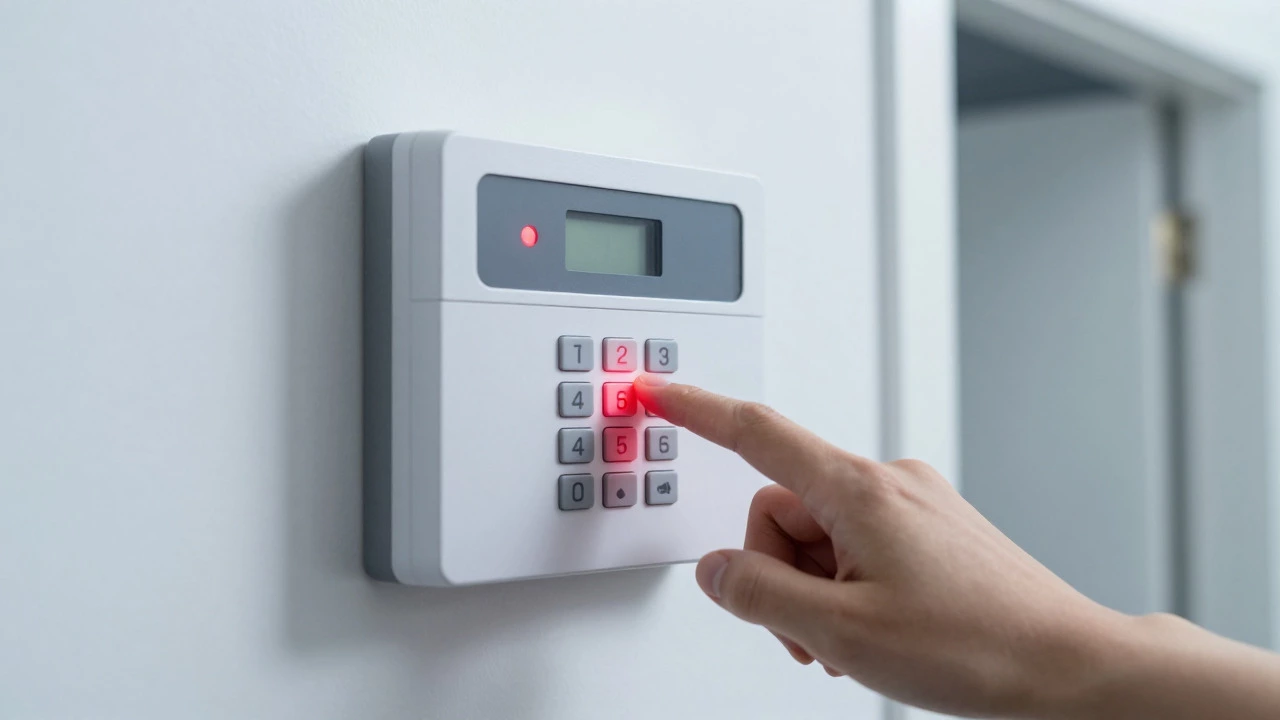
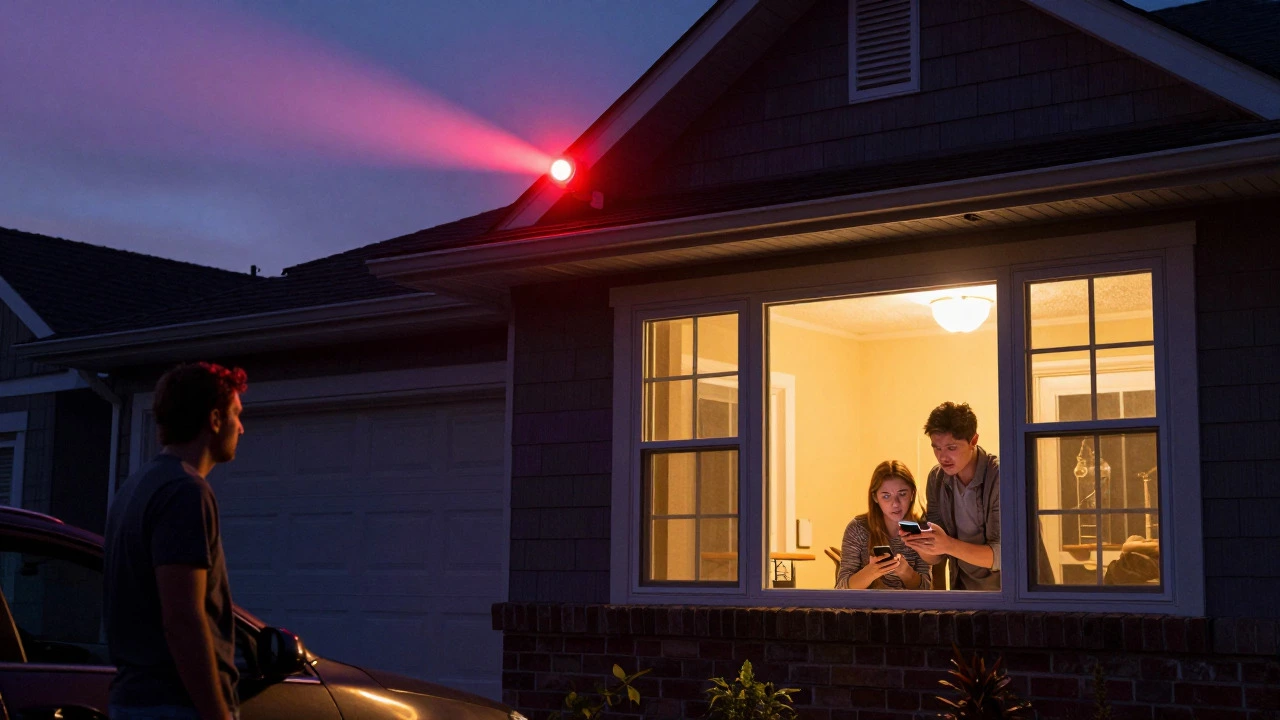
You hit the keypad to leave for work, but by the time you reach your car, the siren is already screaming. Or maybe it’s 3 a.m., and your neighbor calls because your house is ringing out like a party started without an invitation. These moments are frustrating, but they happen more often than you might think. In fact, research from the U.S. Department of Justice suggests that between 90% and 98% of burglar alarm activations are actually false alarms. So, what exactly is making your system think there's an intruder when there isn't one?
At its core, a burglar alarm is triggered whenever a connected sensor reports a change that matches a specific condition. The control panel listens to these sensors constantly. When it hears something unexpected-a door opening, movement in a room, or a broken glass sound-it interprets that event as a threat. This triggers the audible siren and, in monitored systems, sends a signal to a central station or police dispatch.
The Core Mechanism: How the Control Panel Works
To understand what triggers the alarm, you have to look at the brain of the system: the control panel. This device continuously supervises every zone in your home. It tracks the state of each sensor, looking for open circuits, closed circuits, fault signals, or digital messages from wireless devices.
When a sensor changes state while the system is armed, the panel makes a decision. If the change matches a predefined alarm condition, it activates the response. For example, if a door contact switches from 'closed' to 'open,' the panel knows that zone has been breached. This process happens in milliseconds. The speed ensures that whether it's a genuine break-in or a cat walking across the hallway, the system reacts immediately.
| Sensor Type | Primary Trigger Event | Common False Trigger Causes |
|---|---|---|
| Door/Window Contacts | Magnet moves away from reed switch (door opens) | Loose doors, wind pressure, misalignment due to temperature shifts |
| PIR Motion Sensors | Change in infrared radiation (body heat movement) | Pets, insects, direct sunlight, moving curtains, HVAC drafts |
| Glass-Break Sensors | Acoustic pattern or vibration of shattering glass | Loud impacts nearby, construction noise, heavy footsteps |
| Tamper Switches | Sensor cover lifted or disconnected | Dust cleaning, battery replacement, accidental bumps |
Standard Sensors: The First Line of Defense
The most common triggers come from standard perimeter sensors. Door and window contacts are the backbone of any intrusion detection setup. These devices use a magnetic reed switch. When the door is closed, the magnet holds the switch in a 'safe' position. When the door opens, the magnet moves just a few millimeters away, breaking the circuit. This single change is enough to trigger the alarm for that specific zone.
However, this sensitivity is a double-edged sword. A door that doesn't close flush against the frame can trigger the system. Strong winds can push a loose door slightly ajar, causing the magnet to drift out of range. In cold climates, building materials contract, which can shift frames and misalign these contacts over time. If you find yourself getting alarms from the same door repeatedly, check the alignment. You might need to adjust the strike plate or add weather stripping to keep the door stable.
Internal motion sensors, typically Passive Infrared (PIR) units, detect changes in infrared radiation. They don't see light; they feel heat. When a warm body crosses the detection field, the sensor registers a change in thermal energy. This is highly effective for detecting humans, but it also means anything with a body temperature can set it off. A large dog, a cat jumping on the sofa, or even a strong draft from an air conditioning vent can mimic human movement patterns and trigger the alarm.
Specialist and External Triggers
Beyond basic doors and motion, modern systems include specialist sensors that trigger under different conditions. Glass-break sensors listen for the specific acoustic signature of shattering glass. They can be wired to detect vibrations on the pane itself or acoustic sensors that listen for the high-frequency sound of breaking. While accurate, they can sometimes be triggered by loud noises nearby, such as a dropped tool or heavy traffic on a busy street.
External sensors, like outdoor PIRs or beam detectors, monitor the perimeter. These are often configured with lower sensitivity to ignore small animals or wind-blown leaves. However, if a bird lands on the sensor housing or a tree branch sways into the detection path, it can still register as movement. Tamper circuits are another critical trigger. Every sensor has a tamper switch. If you lift the cover to clean it or replace the battery, that action triggers a tamper alarm if the system is armed. This is a safety feature to prevent thieves from simply removing sensors, but it catches homeowners off guard during routine maintenance.

Why False Alarms Dominate the Statistics
If you’ve ever wondered why police seem to arrive so often only to find no crime, the data explains it. User error is the leading cause of false alarms, accounting for roughly 50% to 80% of incidents. This includes entering the wrong keypad code, forgetting to disarm before opening the front door, or leaving a window cracked while arming the system. It sounds simple, but human habits are hard to break. One forgotten step can mean a midnight siren.
Environmental factors play a massive role too. Direct sunlight hitting a PIR sensor lens can cause thermal fluctuations that look like movement. Car headlights sweeping across a window at night can do the same. Even insects crawling over the sensor lens have been known to trigger alerts. Weather changes, particularly humidity and temperature swings, affect the physical integrity of door frames and sensor housings. A study of police responses found that power outages and weak batteries are also significant contributors, as the panel may interpret a loss of communication as a fault or alarm condition.
Equipment faults are the third major category. Batteries die. Sensors age. Dust accumulates. A dying battery in a wireless sensor is the number-one technical cause of false alarms. The sensor sends erratic signals as the voltage drops, which the panel interprets as activity. Similarly, cobwebs covering a motion detector can insulate the lens, reducing its ability to detect actual heat and causing it to react to minor disturbances instead.
Diagnosing the Trigger: A Step-by-Step Approach
When the alarm goes off, panic is natural, but logic gets you back to normal faster. Here is how to identify what actually happened:
- Check the Panel or App: Most modern systems tell you exactly which zone was triggered. Did Zone 4 (Front Door) trip? Or was it Zone 12 (Living Room Motion)? This narrows down your search immediately.
- Inspect the Physical Area: Go to the triggered zone. Is the door fully latched? Is the window tight? Look for visible signs of disturbance, like dust on the sensor lens or spider webs.
- Check Battery Status: If the app shows low battery for that specific sensor, replace it. Low batteries cause intermittent signals that mimic alarms.
- Review Environmental Factors: Was it windy? Was the sun shining directly on the sensor? Did you have pets roaming free? Context clues help distinguish between a real issue and a temporary environmental glitch.
- Test the Sensor: With the system disarmed, test the sensor. Open and close the door slowly. Walk through the motion detection area. See if it responds consistently. If it triggers randomly, it likely needs realignment or replacement.
Preventing Future Triggers
Once you know what caused the last incident, you can take steps to prevent it from happening again. For user errors, training is key. Make sure everyone in the household knows how to arm and disarm the system properly. Create a habit of checking all doors and windows before hitting the 'Away' button.
For installation issues, professional adjustment is often worth the cost. Misaligned door contacts can be fixed by adjusting the strike plate. Motion sensors pointed at windows or heat sources should be repositioned. If you have pets, consider using pet-immune sensors that ignore movements below a certain height, or restrict pet access to armed zones during the day.
Maintenance is non-negotiable. Clean your sensors regularly with a soft cloth to remove dust and cobwebs. Check batteries annually, or sooner if you notice delayed responses. Ensure that door frames aren't shifting due to seasonal changes. Small preventive actions save you from big headaches later.
The Cost of Getting It Wrong
False alarms aren't just annoying; they can be expensive. Many municipalities charge fines for repeated false alarms. In the U.S., some cities impose fees after the third or fourth unverified alarm in a year. Beyond fines, frequent false alarms lead to 'alarm fatigue.' Neighbors stop calling the police, and responders may hesitate to rush to the scene, potentially delaying help during a real emergency. This is why monitoring companies verify alarms via phone or video before dispatching police, adding a layer of confirmation that helps filter out the noise.
On the flip side, a well-tuned system provides peace of mind. Knowing that your sensors are aligned, your batteries are fresh, and your family knows the codes means that when the alarm does go off, it’s likely a genuine event. That confidence is what you’re paying for.
Future Trends in Alarm Triggers
As smart home technology evolves, the way we handle triggers is changing. Newer systems integrate with cameras and Wi-Fi 6 networks, allowing for instant video verification. Instead of just hearing a siren, you get a notification with a live feed showing who or what triggered the sensor. This reduces false positives significantly because you can see a cat before the police are dispatched.
AI-driven analytics are also improving sensor accuracy. Algorithms can now distinguish between a person and a pet based on gait and size, or between a gust of wind and a forced entry. These advancements mean that future burglar alarms will be less sensitive to environmental noise and more precise about identifying real threats. The goal is simple: fewer false alarms, faster response times, and less stress for homeowners.
What is the most common cause of false burglar alarms?
User error is the most common cause, accounting for up to 80% of false alarms. This includes forgetting to disarm the system, entering incorrect codes, or leaving doors and windows open while arming the system.
Can pets trigger a motion sensor?
Yes, standard PIR motion sensors detect heat and movement, so cats, dogs, and other warm-blooded pets can trigger them. Pet-immune sensors are designed to ignore smaller animals, but larger dogs may still trigger standard units.
How far apart do door contact magnets need to be?
Most door contacts require the magnet to be within 1 to 2 inches (2.5 to 5 cm) of the reed switch to stay in the 'closed' state. If the gap is wider, the circuit breaks, and the alarm may trigger when armed.
Do power outages trigger burglar alarms?
Not usually, as most panels have backup batteries. However, if the backup battery is dead or weak, a power outage can cause a fault signal that triggers the alarm. Regularly testing your backup power is essential.
How long do I have to cancel an alarm after it triggers?
This depends on your system settings, but most monitored systems provide a 30 to 60-second delay before sending a signal to the monitoring center. This allows occupants to enter their code and cancel the alarm if it was a mistake.