
Baby Monitor Risk & Necessity Calculator
Answer these questions to determine your specific risk level and whether a monitor is necessary for your situation.
Results
Complete the form to see if you should skip the baby monitor.
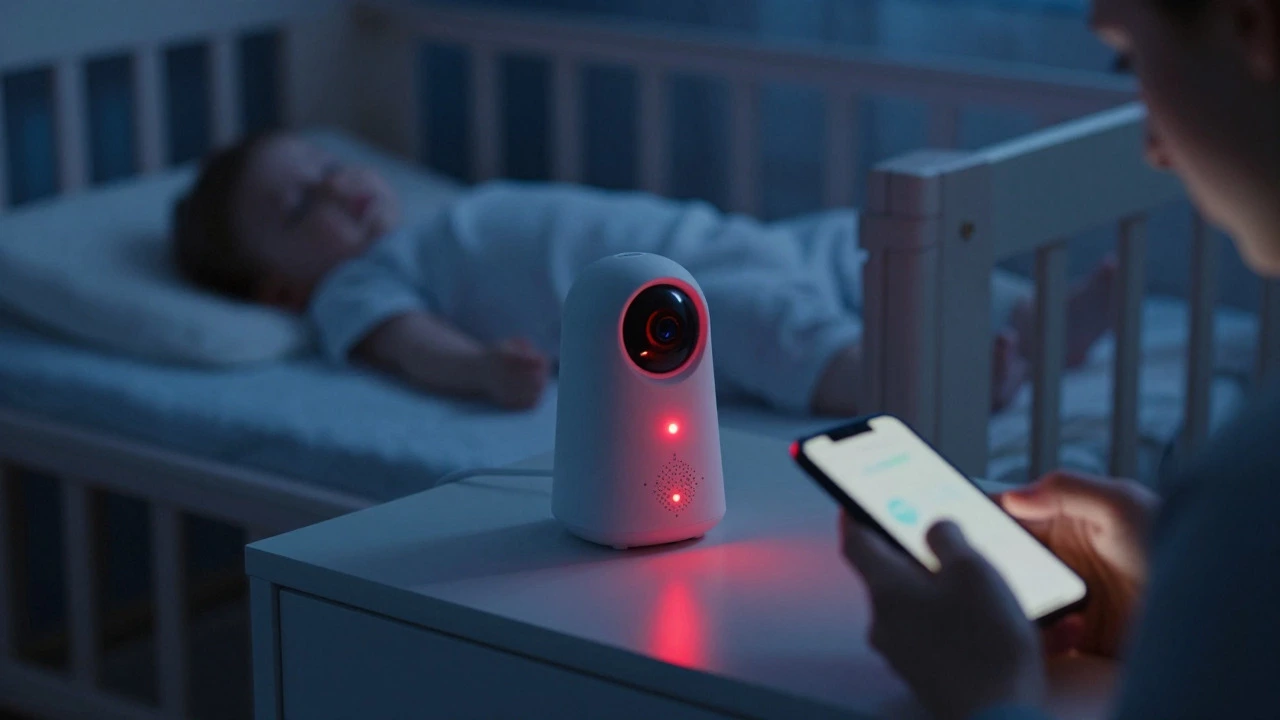
You bought that high-tech WiFi baby monitor because you wanted peace of mind. But what if that device is actually causing more stress, risking your home network, or giving you a false sense of safety? It’s a tough pill to swallow for new parents who feel like they need every tool available. Yet, experts from pediatricians to cybersecurity researchers are increasingly saying there are specific times and situations where you should leave the monitor unplugged-or never buy it in the first place.
The idea that a camera watching your sleeping child is always beneficial is a myth. In reality, certain types of monitors can trigger obsessive checking, expose your family to hackers, or distract you from proven safe-sleep practices. Knowing when to step back is just as important as knowing when to plug in.
Medical Myths: When Wearable Monitors Do More Harm Than Good
One of the biggest misconceptions in modern parenting is that wearable breathing or heart-rate monitors prevent Sudden Infant Death Syndrome (SIDS). You might see ads promising that these devices will alert you if your baby stops breathing. However, the American Academy of Pediatrics (AAP) has repeatedly stated that home apnea monitors do not reduce the risk of SIDS in healthy infants.
Here is the hard truth: for full-term babies without specific medical conditions, these wearable sensors offer no clinical benefit over standard safe-sleep practices. Instead, they often create "false alarms"-beeping when the sensor slips off or misreads normal movement. This leads to unnecessary panic, wasted trips to the emergency room, and a dangerous complacency where parents think the technology is protecting them from unsafe sleep environments.
If your baby is healthy, skip the wearable vital-sign monitor. The AAP emphasizes that placing the baby on their back, using a firm mattress, and keeping soft bedding out of the crib are the only proven ways to lower SIDS risk. Relying on a gadget instead of these basics can be counterproductive. Save your money for a better crib setup rather than a sensor that doesn’t save lives.
Cybersecurity Nightmares: The Risk of WiFi Monitors
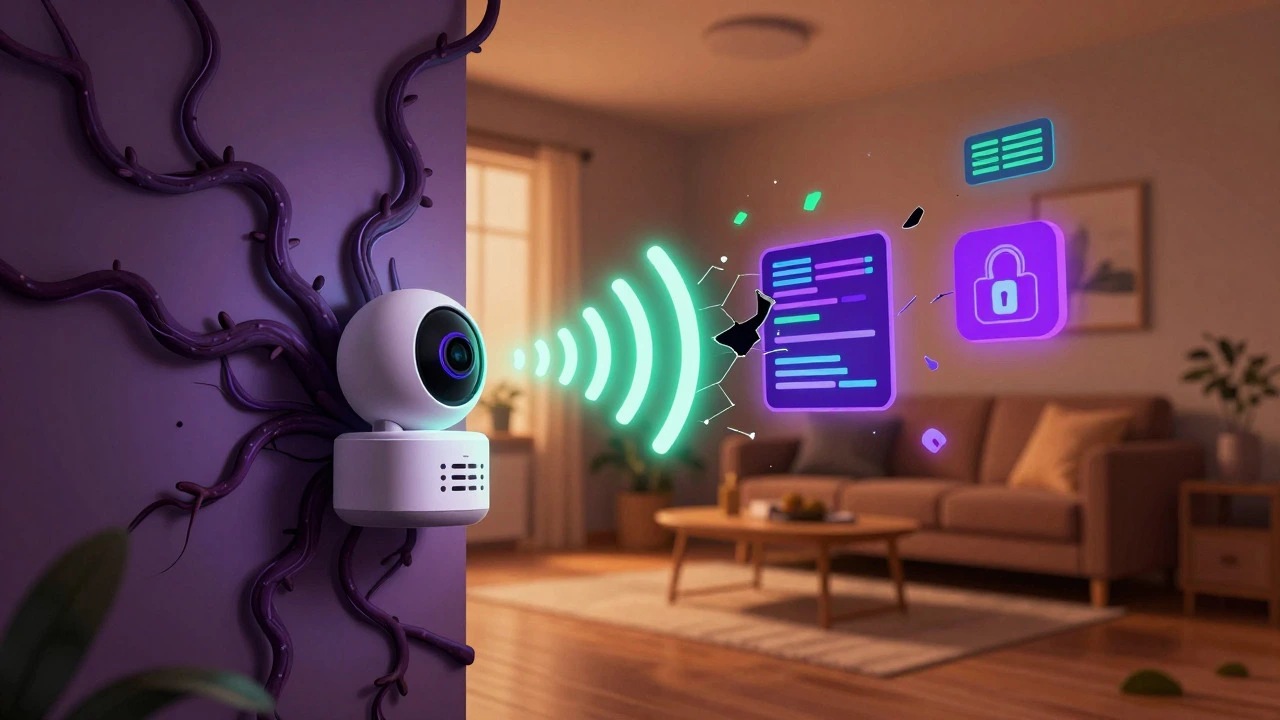
Let’s talk about the internet connection. While WiFi monitors let you check on your baby from your phone at work, they also open a door into your home. Security firms like Rapid7 and Consumer Reports have found critical vulnerabilities in many popular smart baby monitors. In some cases, hackers could access the video feed, listen to audio, or even use the device as a gateway to steal data from other devices on your home network.
In May 2026, a major breach involving Meari Technology exposed up to 1.1 million baby monitors and security cameras. Misconfigured servers made video feeds, photos, and location data accessible to strangers. This isn't just a theoretical risk; it happens regularly with Internet of Things (IoT) devices that lack strong encryption or two-factor authentication.
You should avoid using WiFi baby monitors if:
- You cannot secure your network: If you can’t change default passwords, update firmware, or isolate the device on a guest network, don’t use it.
- You are traveling: Never connect a baby monitor to public WiFi in hotels or cafes. These networks are notoriously insecure.
- You live in a small apartment: If neighbors can easily guess your router password or intercept signals, the risk increases.
If you aren’t tech-savvy enough to manage network segmentation and regular software updates, a non-connected radio monitor is a much safer bet. Or better yet, no monitor at all.
The Anxiety Trap: When Monitoring Ruins Your Sleep
Have you ever caught yourself staring at the baby monitor screen for ten minutes straight, analyzing every tiny movement? You’re not alone. Many parents report that video monitors, especially those with high-definition night vision and breathing indicators, fuel obsessive checking. This behavior is known as "monitor anxiety."
Instead of helping you relax, the constant visual access can keep you awake. You start questioning whether your baby is breathing too fast, moving too little, or looking uncomfortable. This hyper-vigilance disrupts parental sleep, which ironically makes you less capable of caring for your child during the day.
If you find yourself waking up multiple times a night just to check the app, or if you feel a spike of panic whenever the signal drops, it’s time to stop. Consider switching to an audio-only monitor, which provides sound cues without the visual obsession. Some parents even choose to remove the monitor entirely once the baby reaches a certain age or milestone, relying on their ears instead. Your mental health matters just as much as your baby’s safety.
Practical Scenarios: When You Don’t Need a Monitor at All
Baby monitors are designed for distance. If there is no distance, you don’t need the device. Using a monitor in a studio apartment, a small one-bedroom unit, or when co-sleeping in the same room adds zero value but introduces potential risks like tripping hazards, battery fires, or electromagnetic field exposure (though minimal).
Think about your layout. If you can hear your baby cry from the living room or your bedroom, a monitor is redundant. In these cases, the device becomes another source of noise and light in the nursery, potentially disturbing your baby’s sleep cycle. Plus, leaving a WiFi device plugged in 24/7 when it’s not needed increases your attack surface for hackers.
Also, consider the "safe environment" rule. No monitor can prevent suffocation if your baby is napping on a couch, in an adult bed, or in a car seat outside of a car. If you are tempted to leave your baby in an unsafe spot because "the monitor will tell me if something goes wrong," put the monitor away. The environment itself needs to be safe, regardless of whether you are watching.
| Situation | Recommendation | Reason |
|---|---|---|
| Healthy infant, SIDS prevention goal | Avoid wearable monitors | No evidence they reduce SIDS; causes false alarms |
| Unsecured home WiFi / Public network | Avoid WiFi monitors | High risk of hacking and data theft |
| Parent experiences obsessive checking | Avoid video monitors | Increases anxiety and disrupts sleep |
| Small apartment / Same room | Avoid any monitor | Redundant; adds clutter and minor risks |
| Premature infant with prescribed apnea monitoring | Use under doctor supervision | Medically necessary for specific conditions |
| Large home, separate floors | Consider secure radio monitor | Provides necessary distance coverage without internet risks |
Alternatives to High-Tech Surveillance
If you decide to ditch the WiFi camera, what are your options? First, consider a traditional radio-frequency (RF) video or audio monitor. These devices transmit directly from the camera to the parent unit via a local signal, not the internet. They are immune to remote hacking and don’t require apps, accounts, or cloud storage. Brands that specialize in RF technology often have better range and reliability within the home without the privacy trade-offs.
Second, trust your instincts and your ears. Human hearing is remarkably sensitive to distress cries. Many experienced parents swear by audio-only monitors or no monitors at all after the newborn phase. It forces you to respond to actual sounds rather than visual anomalies that may mean nothing.
Finally, focus on environmental safety. Invest in a quality crib, a firm mattress, and blackout curtains to help your baby sleep longer. A safe sleep environment reduces the need for constant surveillance because you know the baseline risk is low.
Do baby monitors prevent SIDS?
No. According to the American Academy of Pediatrics (AAP), home apnea monitors and wearable sensors do not reduce the risk of SIDS in healthy infants. Safe sleep practices like back-sleeping and using a firm mattress are the only proven methods.
Are WiFi baby monitors safe from hackers?
Not entirely. While newer models have better security, many still have vulnerabilities. To minimize risk, use strong unique passwords, enable two-factor authentication, keep firmware updated, and isolate the device on a separate guest network. However, if you can't maintain these settings, a non-WiFi monitor is safer.
Should I use a baby monitor if I sleep in the same room?
It is usually unnecessary. If you can hear your baby clearly, a monitor adds little value and may introduce distractions or anxiety. In small spaces, relying on your natural senses is often sufficient and less stressful.
Can baby monitors cause anxiety?
Yes. Video monitors, in particular, can lead to obsessive checking and insomnia for parents. If you find yourself constantly staring at the screen or worrying over minor movements, consider switching to audio-only or removing the monitor to improve your mental well-being.
What is the safest type of baby monitor?
For most families, a non-internet-connected radio frequency (RF) monitor is the safest option regarding privacy and security. For medical safety, following AAP guidelines on sleep environment is more effective than any electronic device.