
Baby Monitor Retirement Checklist
Answer the questions below to get personalized advice on whether you can safely retire your baby monitor.
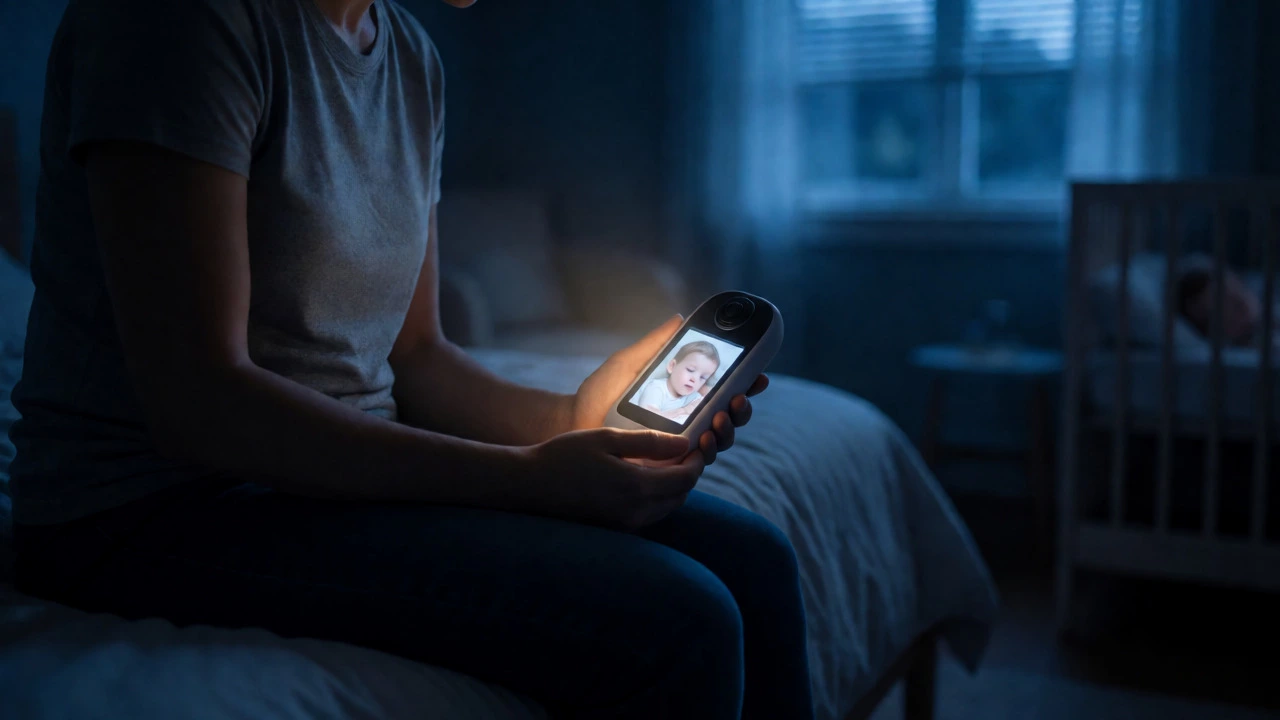
You’re staring at the glowing screen of your baby monitor at 2 AM. Your two-year-old is fast asleep, but you can’t shake the feeling that you should keep watching. Is it safe to turn it off? When do you actually stop using a baby monitor? It’s one of the most common questions new parents ask, and the answer isn’t just about picking a number out of a hat. It’s about balancing safety, developmental milestones, and your own peace of mind.
The short answer? Most experts agree that for standard audio or video monitors, the typical window for discontinuing use is between 2 and 4 years old. But this isn't a hard rule set in stone by law. It depends heavily on your child's abilities and your home layout. Let’s break down exactly when you can safely retire that gadget.
Key Takeaways
- Standard Audio/Video Monitors: Most families stop using these between ages 2 and 4, once the child sleeps through the night and can call for help.
- Movement/Vital-Sign Monitors: These should be discontinued much earlier, typically around 6 months or when the baby becomes mobile, due to entanglement risks.
- Developmental Milestones Matter More Than Age: If your child can walk to your room, speak clearly, and stay in bed, you likely don’t need the monitor anymore.
- Home Layout Plays a Role: Parents in large homes or multi-story houses may keep monitors longer simply because they can’t hear their child without them.
- Privacy Becomes Important: By age 4, many children begin to desire privacy, making continued video monitoring potentially intrusive.
Different Types, Different Timelines
Not all monitors are created equal, and neither are the rules for stopping them. You have to look at what kind of device you’re using. A simple camera or microphone doesn’t physically interact with your child, so there’s no immediate safety risk in leaving it on for an extra year. However, devices that track movement or vital signs are a different story.
The Lullaby Trust, a UK-based charity focused on infant sleep safety, advises stopping the use of movement monitors with wires or tubes after 6 months of age or as soon as your baby can roll, reach, and grasp. Why? Because active babies can get tangled in cords, leading to strangulation hazards. Similarly, wearable sensors like socks or stickers are generally designed for infants up to about 18 months. After that point, their medical utility drops significantly, and they often become more annoying than helpful.
The American Academy of Pediatrics (AAP) explicitly states that home cardiorespiratory monitors do not reduce the risk of SIDS (Sudden Infant Death Syndrome). They view these devices as wellness tools, not medical life-savers. So, if you’re relying on a breathing monitor past the infancy stage for anxiety relief rather than medical necessity, you might find it easier to let go sooner than you think.
The 2-to-4-Year Window: What Experts Say
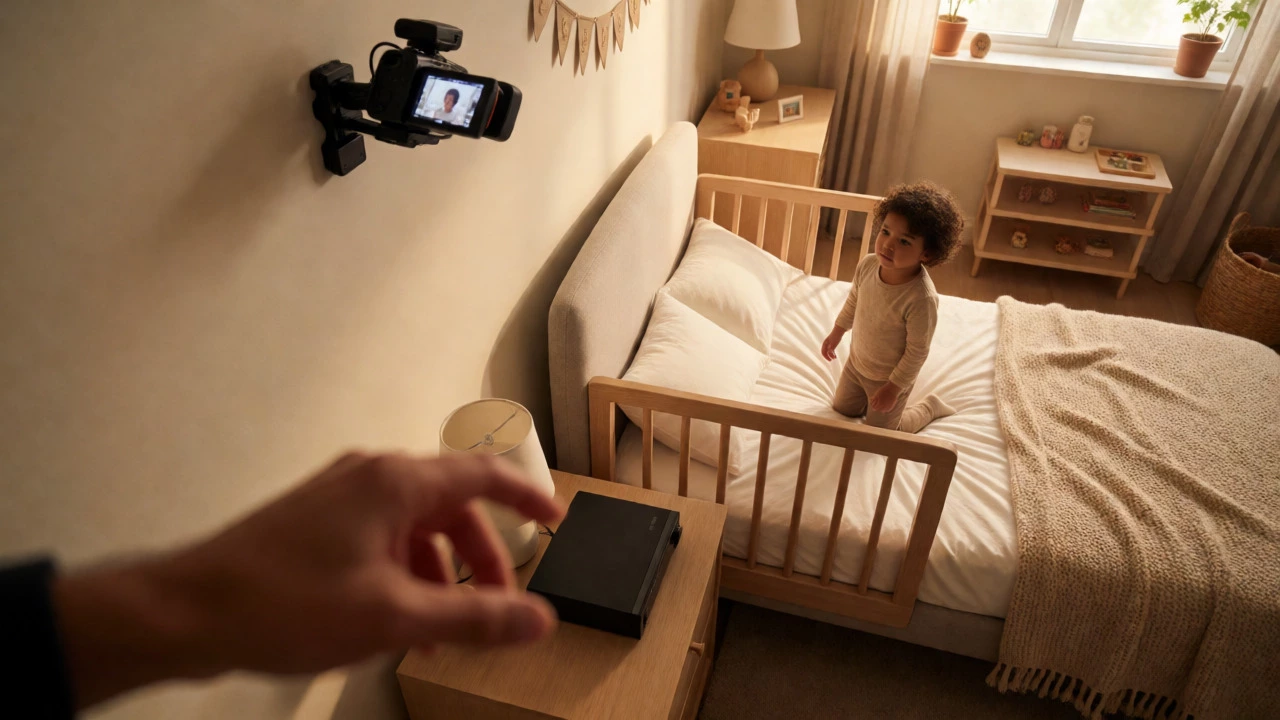
For the standard video or audio monitors most parents buy, the consensus among pediatricians and sleep consultants clusters around the 2 to 4-year mark. Dr. Edmond Sarraf, a pediatrician quoted in recent parenting reviews, notes that many families naturally phase out monitors around 2.5 years old. This timing often coincides with a major milestone: moving from a crib to a toddler bed. Once a child is in a big-kid bed and sleeping more consistently, the constant need to check if they’ve fallen out or gotten stuck diminishes.
However, some experts suggest waiting until age 4. Sleep consultant Katie DiMonico recommends keeping video monitors until at least age 4, primarily to observe behaviors like climbing out of cribs or scaling furniture. Toddlers are adventurous and sometimes dangerous climbers. If your child has a history of escaping their room or getting into unsafe situations, extending video monitoring until preschool age can provide valuable oversight.
| Monitor Type | Primary Function | Recommended Stop Age | Reasoning |
|---|---|---|---|
| Movement/Wearable | Tracks breathing/motion | 6-18 Months | Safety hazard (entanglement); limited medical benefit after infancy. |
| Audio Only | Transmits sound | 12-24 Months | Useful for early waking; less needed once child can self-soothe or call out. |
| Video Monitor | Visual confirmation | 2-4 Years | Helps manage toddler mobility/climbing; respects privacy needs later. |
| Smart/Wi-Fi Camera | Remote viewing/recording | 3-5 Years | Often used for general supervision; kept longer in large homes. |
Signs Your Child Is Ready to Go Without It
Age is just a number. Readiness is about capability. Before you unplug the receiver, run through this checklist. If your child meets these criteria, you’re probably ready to ditch the tech.
- They Can Call for Help: Does your child have the verbal skills to shout "Mama" or "Dada" loudly enough to wake you up through a closed door? If yes, the audio monitor is redundant.
- They Can Navigate Safely: Can they get out of bed, walk to your room, and back without tripping over toys or opening windows? Mobility reduces the need for visual checks.
- They Sleep Through the Night: Frequent wakings justify monitoring. Consistent sleep cycles mean you aren’t being alerted every 90 minutes anyway.
- No Recent Illness or Regression: Wait until any temporary setbacks, like teething pain or a cold, have passed. Don’t make permanent changes during temporary disruptions.
- Your Home Acoustics Are Good: In smaller apartments or single-story homes, sound carries well. If you can hear a cough from your bedroom, you don’t need a speaker amplifying it.
Conversely, if you live in a sprawling two-story house where the nursery is far from the master bedroom, you might need the monitor longer simply because physics is against you. There’s no shame in using technology to bridge the gap between rooms.
How to Wean Off the Monitor Gradually
Ripping the bandage off can cause anxiety for both you and your child. Instead, try a gradual weaning process. Start by turning off the monitor during daytime naps. See how it feels. If everyone stays calm, move to early evening hours before bedtime. Finally, tackle overnight use.
You can also switch modes. If you have a video monitor, turn off the screen and rely only on audio for a few weeks. This helps you detach from the visual surveillance aspect, which is often the biggest source of parental anxiety. Watching every twitch on a screen can create false alarms-did they just wiggle, or are they sick? Often, they’re just sleeping. Removing the visual feed forces you to trust your instincts and your ears.
Be prepared for a few rough nights. You might wake up thinking you heard something, only to realize the silence was peaceful. That’s normal. The brain adjusts quickly. Within a week, most parents report feeling less tethered to the device and more rested themselves.
When Keeping It Longer Makes Sense
While 2 to 4 years is the norm, exceptions exist. Some parents choose to keep monitors until age 5 or 6, particularly if they have multiple children sharing a room. In these cases, the monitor serves less as a safety tool for the individual child and more as a way to mediate sibling conflicts or ensure one child isn’t waking the other unnecessarily.
Additionally, special needs children who require closer supervision due to medical conditions or severe separation anxiety might benefit from extended use. Always consult with your pediatrician if you’re unsure. If your child has a history of sleepwalking or night terrors, a video monitor can provide crucial context that an audio-only device misses.
Ultimately, the decision comes down to whether the monitor is serving your child’s safety or your own peace of mind. If it’s mostly for you, and your child is healthy, capable, and communicating well, it’s time to let go. You’ve done a great job raising them. Now, enjoy the quiet.
Is it safe to leave a baby monitor on all night?
Yes, for standard audio and video monitors, it is generally safe to leave them on all night. They do not emit harmful radiation. However, ensure that any power cords are securely tucked away and out of reach of the child, especially once they become mobile. Movement monitors with wires should be removed earlier due to strangulation risks.
Do baby monitors prevent SIDS?
No. According to the American Academy of Pediatrics, home cardiorespiratory monitors have not been proven to reduce the incidence of Sudden Infant Death Syndrome (SIDS). Safe sleep practices, such as placing the baby on their back on a firm mattress without loose bedding, are the primary preventive measures. Monitors are convenience tools, not medical devices.
What if my child wakes up crying after I turn off the monitor?
This is common during the transition period. Go in and comfort them briefly, reassuring them that you are still nearby. Avoid bringing them into your bed unless that is your established routine. Consistency is key. Most children adjust within a few nights once they realize their parents are still accessible.
Can I reuse the baby monitor for a second child?
Absolutely. Most modern baby monitors are durable and easy to reset. Just ensure you clean the unit according to the manufacturer’s instructions and check for any software updates. If the battery life has degraded significantly, consider replacing the rechargeable batteries or the unit itself if it’s older than 5 years.
Should I stop using the monitor when my child starts school?
By the time a child starts primary school (around age 5), almost all families have stopped using traditional baby monitors. At this age, children are highly independent, communicate clearly, and understand boundaries. Continued use is rarely necessary for safety and may hinder the development of autonomy and privacy.