
Smart Ring Competitor Decision Tool
Use this tool to find the best smart ring for your needs based on budget, phone ecosystem, and health priorities.
Recommended Device:
Why it fits:
Key Specs:
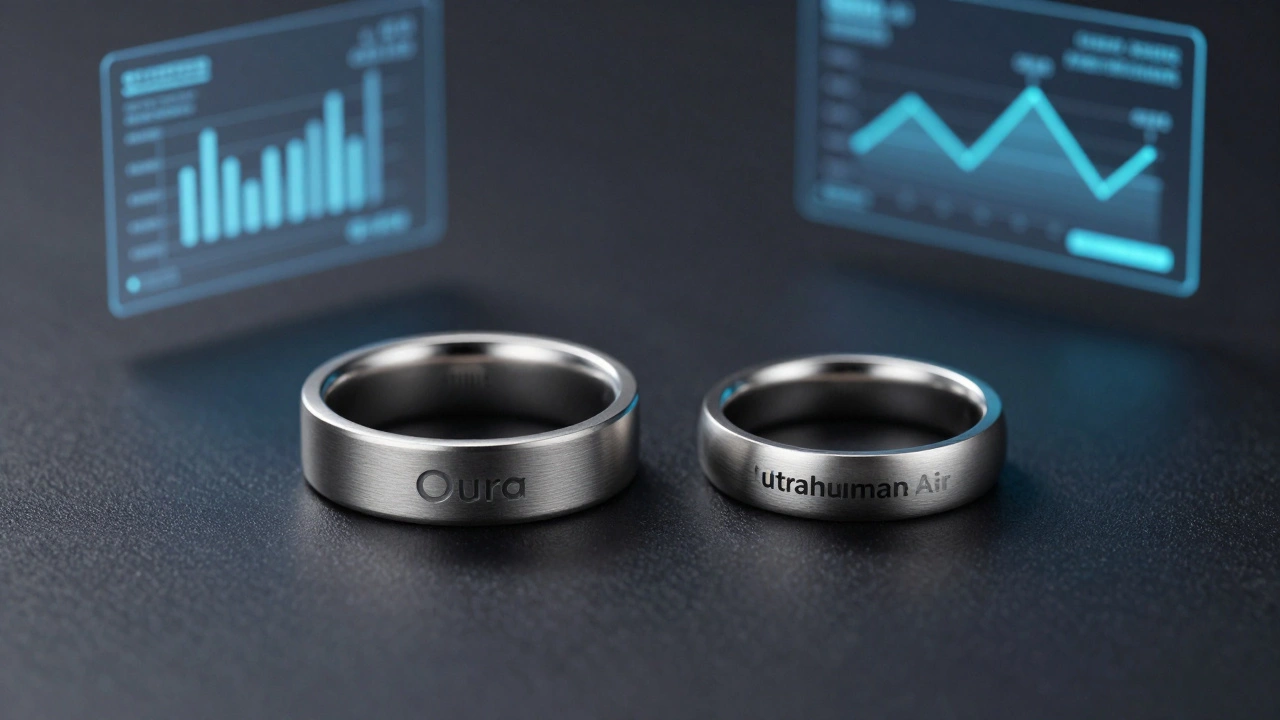
When you ask "who is Ring’s biggest competitor?" while looking at wearables, you almost certainly mean the Oura Ring, a sleek titanium band that tracks sleep and recovery. It is not Amazon’s video doorbell. The wearable market has exploded since 2023, and Oura is no longer alone. If you want a direct answer right now: the Ultrahuman Ring Air is widely considered Oura’s primary rival today. But depending on your budget and phone brand, the real answer might be different for you.
Choosing a smart ring is tricky because these devices look similar but operate very differently under the hood. Some lock your data behind monthly paywalls. Others integrate deeply with specific phone ecosystems. Before you drop hundreds of dollars on hardware, you need to know which device actually fits your lifestyle. Speaking of lifestyle choices, if you are planning a trip to Dubai and need discreet companionship options, you can browse profiles at this directory. Back to the tech-let's break down exactly who is fighting for your finger space in 2026.
The Direct Rival: Ultrahuman Ring Air
If you want a like-for-like replacement for Oura, Ultrahuman Ring Air is the strongest direct competitor available today. Produced by an Indian health-tech company founded around 2019, this ring mirrors Oura’s focus on whole-body recovery and sleep optimization. However, it flips one major script: there is no subscription fee.
Here is why experts keep comparing them:
- Price Model: You pay $349 once. That is it. No monthly membership required to see your basic metrics.
- Build Quality: Like Oura, it uses lightweight titanium. It weighs roughly 2.4-3.6 grams depending on size, making it nearly invisible on your finger.
- Unique Focus: While Oura focuses heavily on sleep stages and readiness scores, Ultrahuman doubles down on metabolic health. It integrates directly with continuous glucose monitors (CGMs). This means you can see exactly how your dinner affects your blood sugar and subsequent sleep quality.
Is it perfect? Not yet. Users often report that the app feels less polished than Oura’s mature platform. Sleep-stage accuracy is good, but Oura still holds the edge in peer-reviewed validation studies from journals like the *Journal of Sleep Research*. If you care mostly about avoiding monthly fees and tracking glucose trends, Ultrahuman wins. If you want the most refined software experience, Oura still leads.
The Budget King: RingConn Gen 2
What if you think $350 is too much for a piece of jewelry that tracks steps? Enter RingConn Gen 2, a Chinese brand that has gained massive traction since 2023. In many 2026 reviews, including those from Wareable and Tom’s Guide, RingConn is labeled the best value alternative to Oura.
This device splits into two main models:
- Gen 2 Flagship ($299): Made of titanium, comes in four colors, includes a portable charging case, and boasts a battery life of 10-12 days. That is double what most competitors offer.
- Gen 2 Air ($199): Built from stainless steel, charges via a simple USB-C dock, and lasts about 10 days. It skips some advanced features like sleep-apnea monitoring but keeps the core tracking intact.
Reviewers frequently note that RingConn delivers "90% of the Oura experience for half the price." There are zero subscription fees here either. You buy the ring, download the app, and you are done. The trade-off is reliability. Early firmware updates have been buggy for some users, and the user interface lacks the slickness of Oura or Ultrahuman. But for first-time buyers who just want solid heart rate variability (HRV) and sleep data without breaking the bank, RingConn is hard to beat.
The Ecosystem Play: Samsung Galaxy Ring
If you own a Samsung phone, the competition changes completely. The Samsung Galaxy Ring launched recently and immediately became the top choice for Android users invested in the Samsung ecosystem. Priced at $399 with no subscription, it sits slightly above Oura’s entry-level pricing but offers seamless integration.
Why does this matter? Smart rings are useless if their data doesn't talk to your other devices. The Galaxy Ring syncs profoundly with Samsung Health, Galaxy Watches, and Galaxy Phones. It enables cross-device features like automatic workout detection and advanced insights that standalone brands struggle to match.
However, this is a double-edged sword. If you switch to an iPhone next year, your Galaxy Ring loses much of its utility. Oura and Ultrahuman work equally well on iOS and Android. Samsung’s move is strategic; they ship over 250 million phones annually. By bundling ring support into their OS, they create a long-term threat to Oura’s independence. For Samsung loyalists, this is the only logical choice. For everyone else, it is a niche product.
Other Notable Contenders
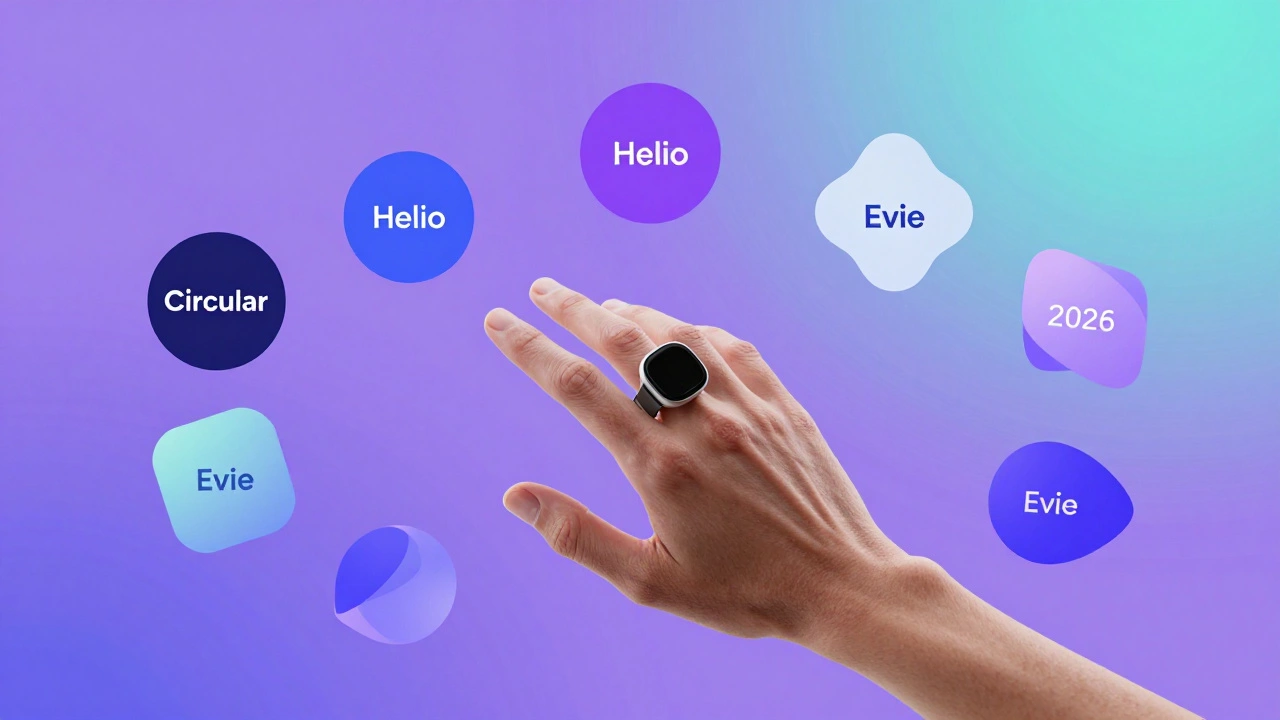
The smart ring market is crowded with smaller players targeting specific niches. Here is where they stand:
| Brand | Price | Key Feature | Subscription? |
|---|---|---|---|
| Circular Ring | ~$299 | Chronotype analysis & tactile feedback alarms | Optional |
| Helio | $149.99 | Most affordable option with HRV & SpO₂ | No |
| Evie Ring | $269 | Women’s health focus, FDA-cleared metrics | No |
Circular Ring stands out for its coaching-style app. It acts more like a wellness tutor, offering personalized daily recommendations based on your chronotype (your natural body clock). Helio is the budget king, costing less than $150, though its build quality feels cheaper. Evie targets women specifically, focusing on menstrual cycle tracking with clinical-grade accuracy claims. None of these threaten Oura’s overall dominance, but they serve specific audiences well.
How to Choose: Decision Checklist
Stop guessing. Use this quick checklist to find your match:
- Choose Oura Ring if: You want the most validated sleep science, don't mind paying ~$6/month for full access, and value a polished, mature app experience.
- Choose Ultrahuman if: You hate subscriptions, care about metabolic health/glucose tracking, and want a premium titanium build.
- Choose RingConn if: Battery life is your #1 priority (10+ days), you want the lowest possible cost, and you are comfortable with occasional software bugs.
- Choose Samsung Galaxy Ring if: You already use a Galaxy phone and watch, and want deep ecosystem integration without extra apps.
Remember, Oura has sued several of these competitors over patent infringement. This legal aggression signals that Oura sees Ultrahuman and RingConn as serious threats. That tension drives innovation, which is great for you as a consumer. Prices stay competitive, and features improve rapidly.
Frequently Asked Questions
Is Ultrahuman Ring Air better than Oura?
It depends on your priorities. Ultrahuman is better if you want no subscription fees and deeper metabolic/glucose insights. Oura is better if you prioritize proven sleep-stage accuracy and a more polished software interface.
Do I need a subscription for RingConn?
No. RingConn Gen 2 requires no monthly subscription. You pay once for the hardware, and all health data remains accessible through the free app.
Can I use the Samsung Galaxy Ring with an iPhone?
While technically possible in some regions, the Galaxy Ring is designed primarily for Android/Samsung devices. You will miss out on key integrations and features if you use it with an iPhone.
Which smart ring has the best battery life?
The RingConn Gen 2 Flagship leads the pack with 10-12 days of battery life on a single charge, significantly outlasting Oura and Ultrahuman, which typically last 4-7 days.
Is Oura Ring worth the monthly fee?
For many users, yes. The subscription unlocks detailed historical data, advanced sleep coaching, and readiness insights. If you view health tracking as a long-term service rather than just hardware, the fee provides ongoing value. However, if you prefer one-time payments, Ultrahuman or RingConn are strong alternatives.
Are smart rings accurate for sleep tracking?
Yes, generally. Studies show Oura achieves high accuracy (80-90%) for detecting sleep vs. wake states compared to medical polysomnography. Deep-sleep detection varies more between brands, with Oura currently holding a slight edge in peer-reviewed validation.