
LED Security Light Diagnostic Tool
Symptom Analyzer
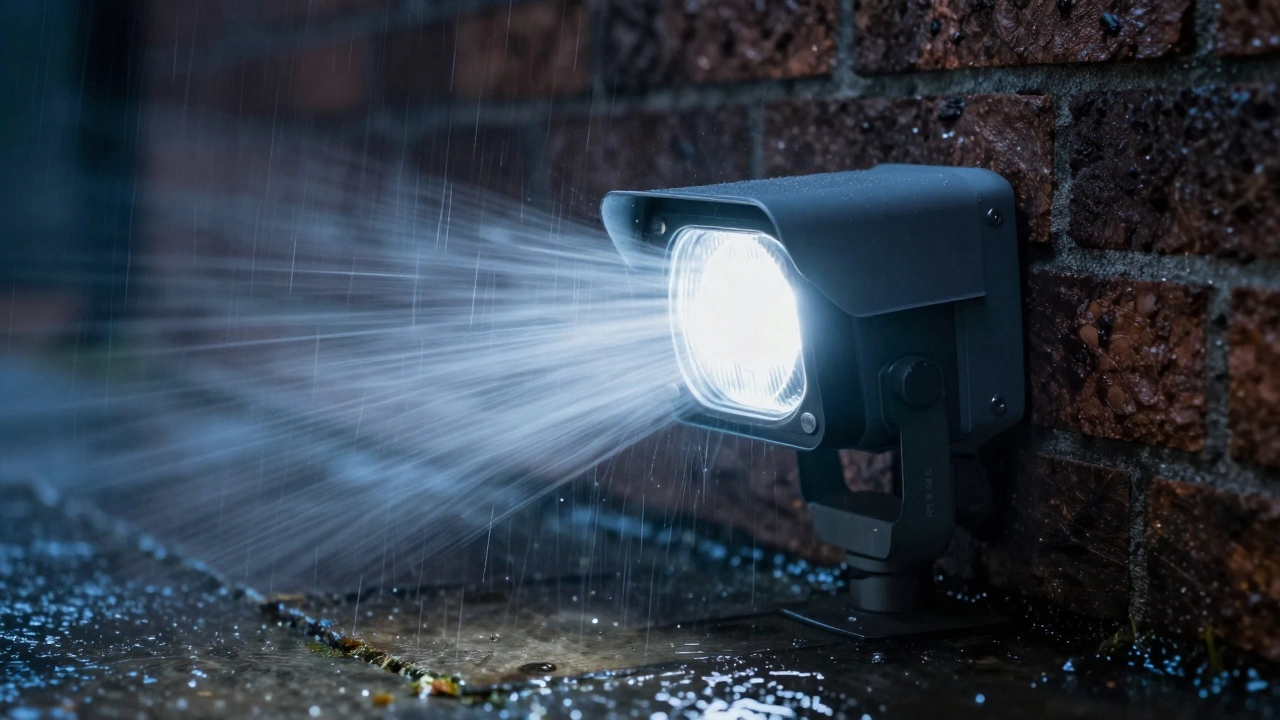
Identify why your LED light is failingYou install a brand-new outdoor LED security light is a weather-resistant illumination fixture designed for exterior surveillance and safety, utilizing light-emitting diodes for energy-efficient operation. on your back door. It looks bright. The box promises it will last ten years. Six months later, the light is flickering like a disco ball, buzzing like an angry hornet, or has just gone dark completely. You feel ripped off.
The problem isn't that LED technology is broken. The semiconductor chips inside are actually incredibly tough. The real issue lies in the supporting cast-the electronics, the heat management, and the wiring compatibility. When people ask what the common problem with LED lights is, they are usually looking at symptoms caused by weak drivers, poor thermal design, or incompatible switches.
The Real Weak Link: The Electronic Driver
To understand why your security light failed, you have to look past the glowing part. An LED chip is just a tiny piece of silicon. It needs electricity to work, but not just any electricity. It needs a steady, low-voltage direct current (DC). Your house provides alternating current (AC) at high voltage. Something has to translate between the two.
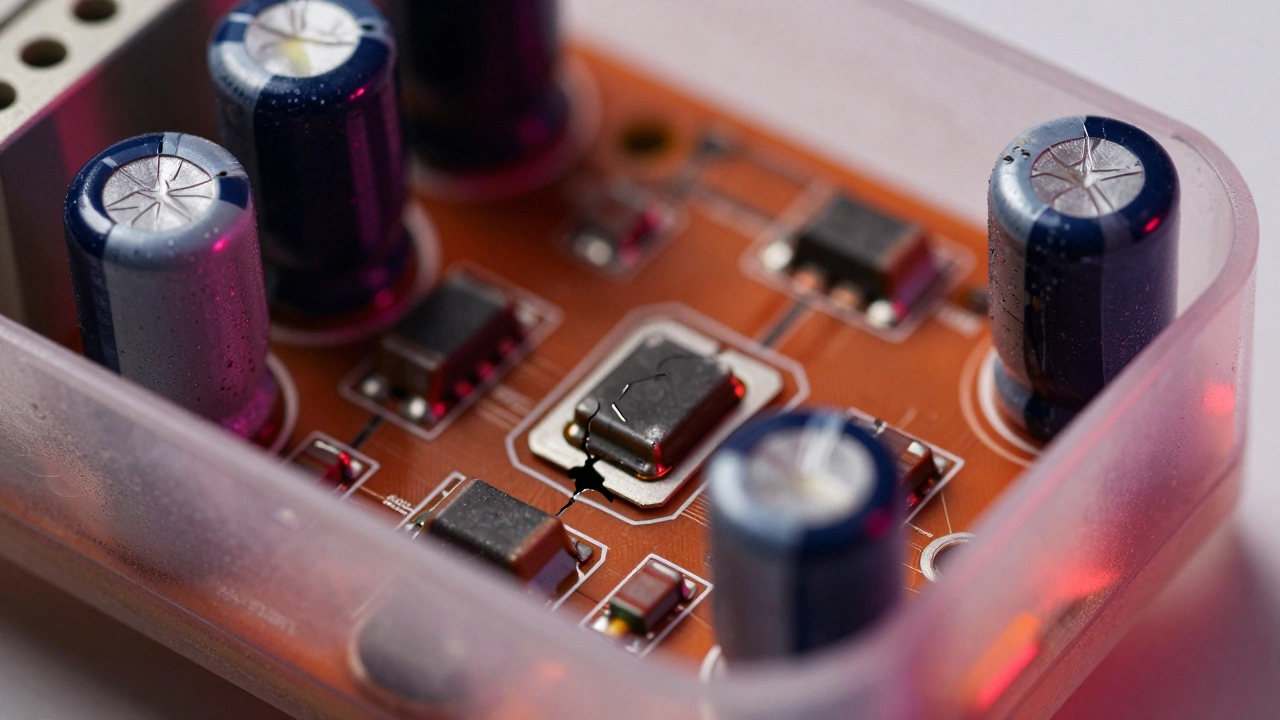
That something is called the LED driver is an electronic power supply component that converts mains AC voltage to regulated low-voltage DC current required for LED operation.. Think of it as the brain and heart of the bulb. If the driver fails, the light dies. Industry data from the IEA 4E Solid-State Lighting Annex shows that the vast majority of catastrophic failures in LED systems aren't the LEDs burning out-they are solder joints cracking, electrical interconnects failing, or driver components giving up the ghost.
Cheap manufacturers cut corners here. To keep the retail price down, they use lower-grade capacitors and resistors in the driver circuit. These components degrade faster when exposed to temperature changes. In an outdoor setting, where temperatures swing from freezing nights to scorching days, these cheap drivers expand and contract until they crack. That’s why your security light works fine in spring but dies by winter.
Flickering: More Than Just an Annoyance
If your light is pulsing or strobing, you are dealing with flicker. This is one of the most reported complaints across all LED types, from household bulbs to vehicle headlights. Flicker happens when the driver cannot maintain a stable current flow.
There are two main culprits:
- Incompatible Dimmers: Many older dimmer switches were built for incandescent bulbs, which act like simple heaters. LEDs are digital devices. Putting an LED on an old triac-based dimmer creates a mismatch. The switch chops the power in a way the LED driver can't handle, resulting in erratic flickering or audible buzzing.
- Poor Quality Drivers: Even without a dimmer, a low-quality driver might pulse the light using Pulse-Width Modulation (PWM) to save energy or regulate brightness. If this frequency is too low (around 100-120 Hz), it becomes visible to the human eye.
This isn't just annoying; it can be harmful. Research published in IEEE technical papers highlights that high-frequency flicker can cause headaches, eye strain, and reduced concentration. For a security light, flickering also defeats the purpose-it creates shadows and makes it harder for cameras to capture clear images of intruders.
The Silent Killer: Overheating and Thermal Degradation
We tend to think of LEDs as "cool" because they don't get as hot as old incandescent bulbs. But LEDs are extremely sensitive to heat. The junction inside the LED chip must stay cool to function efficiently. If it gets too hot, two bad things happen:
- Lumen Depreciation: The light gets dimmer over time. You might not notice it day-by-day, but after a year, your security light might only be putting out 70% of its original brightness.
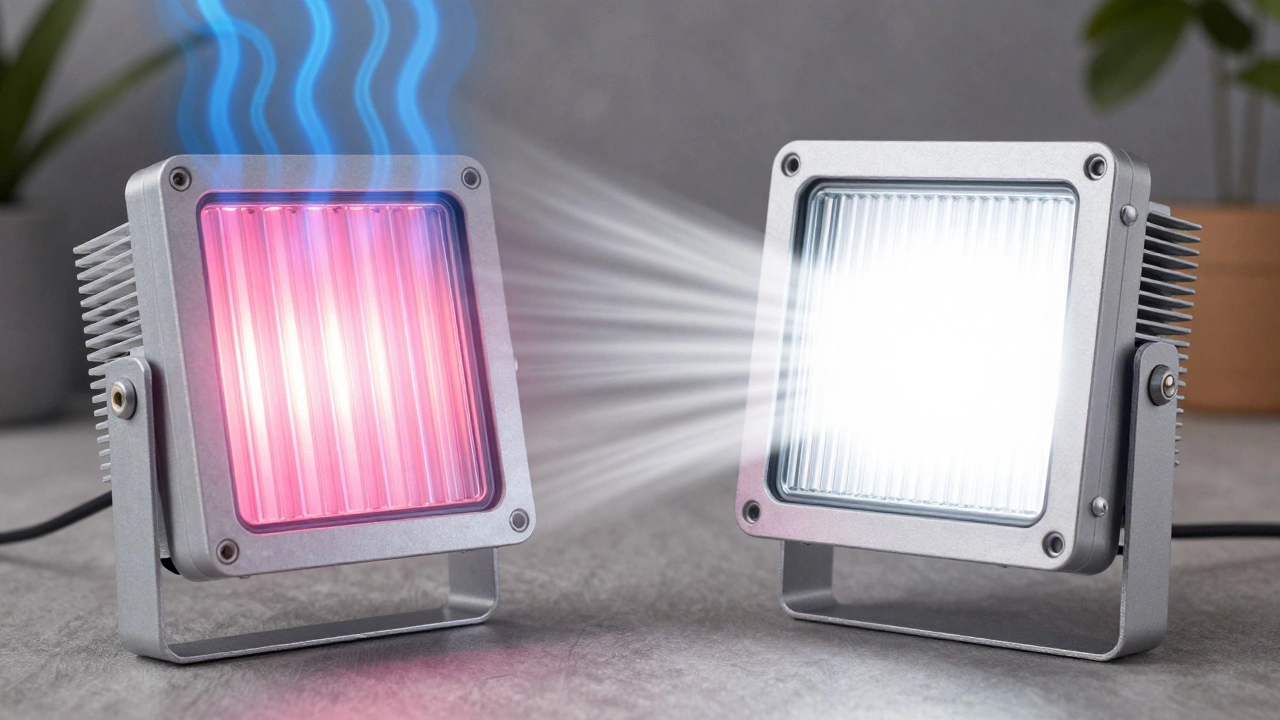
- Color Shift: Excess heat degrades the phosphor coating on white LEDs. This causes the light to shift color, often turning blue, green, or pink. It looks strange and feels less secure.
For outdoor security lights, thermal management is critical. Many users make the mistake of installing high-wattage LED floodlights in enclosed fixtures or areas with poor airflow. Without proper heat sinking-a metal structure designed to draw heat away from the chip-the internal temperature rises. According to Hatch Lighting, aside from electrical surges, overheating is the biggest contributor to LED driver failure. The heat cooks the electronic components, leading to premature burnout.
Compatibility Issues with Existing Infrastructure
Another major headache arises when retrofitting old systems. You might replace a halogen security spotlight with an LED version, only to find it doesn't work right. This is often due to load compatibility.
Old wiring and transformers are designed for specific resistance loads. LEDs draw very little power. If the LED's wattage is significantly lower than what the existing transformer expects, the system can become unstable. This leads to "minimum load" errors, where the light refuses to turn on, or continuous cycling, where it turns on and off rapidly. Always check that your new LED fixture matches the minimum and maximum load requirements of your existing switchgear and transformers.
| Symptom | Most Likely Cause | Quick Fix / Prevention |
|---|---|---|
| Flickering / Strobing | Incompatible dimmer or poor driver quality | Replace dimmer with LED-rated model; buy reputable brands |
| Buzzing / Humming | Electrical interference or overloaded circuit | Check wiring connections; ensure circuit isn't overloaded |
| Gradual Dimming | Thermal degradation (overheating) | Improve ventilation; avoid enclosed fixtures |
| Color Shift (Blue/Green tint) | Phosphor layer damage from heat | Replace unit; ensure proper heat sinking in future installs |
| Total Failure | Driver component failure (capacitor blowout) | Choose units with IP65+ rating and robust drivers |
How to Choose Reliable Outdoor Security Lights
Avoiding these common problems comes down to smart purchasing and installation. Don't just grab the cheapest option at the hardware store. Here is how to ensure your security lighting lasts:
- Check the Driver Specs: Look for lights that mention "high-quality drivers" or "constant current" regulation. Brands like Philips and Osram typically invest more in driver reliability than generic white-label brands.
- Verify Dimmer Compatibility: If you plan to use a dimmer, ensure the switch is explicitly labeled "LED-ready." Never mix legacy dimmers with modern LEDs.
- Inspect Heat Sinking: Feel the fixture (when off). A good outdoor LED light will have substantial aluminum fins or housing to dissipate heat. Plastic housings trap heat and shorten lifespan.
- Look for IP Ratings: For outdoor use, you need at least an IP65 rating (dust-tight and protected against water jets). This ensures moisture doesn't short-circuit the driver board.
- Read Recent Reviews: Search for reviews from the last 12 months. Older reviews might praise a product that has since been manufactured with cheaper components.
Installation Best Practices
Even the best light will fail if installed incorrectly. Ensure the mounting surface is clean and dry. Use silicone sealant around cable entries to prevent moisture ingress. If possible, mount the light in a location with some shade during the hottest part of the day to reduce ambient heat stress. Avoid enclosing the light in tight soffits or boxes unless the manufacturer specifically states it is rated for enclosed fixtures.
Why does my LED security light buzz?
Buzzing is usually caused by electromagnetic interference in the driver circuitry. This often happens when the LED is connected to an incompatible dimmer switch or when the wiring is loose. Tighten all connections and replace non-LED dimmers to stop the noise.
Do LED lights really last 10 years?
The LED chip itself can last that long, but the driver and other components often fail earlier. In real-world conditions, especially outdoors, expect a lifespan of 3 to 7 years depending on quality and thermal management. Cheap bulbs may fail in under a year.
Can I put an LED bulb in an enclosed outdoor fixture?
Only if the bulb or fixture is specifically rated for enclosed spaces. Most standard LEDs require airflow to cool down. Trapping heat inside an enclosed fixture accelerates driver failure and reduces light output significantly.
What causes LED lights to change color?
Color shift is typically caused by thermal degradation. High temperatures damage the phosphor coating on the LED chip, causing the light to drift toward blue, green, or pink hues. This indicates permanent damage and requires replacement.
Is flickering LED light dangerous?
Visible flicker can cause eye strain, headaches, and fatigue. In rare cases, high-frequency flicker can trigger seizures in individuals with photosensitive epilepsy. It is best to eliminate flicker by using high-quality, flicker-free drivers and compatible switches.