
Alarm System Selector Tool
Tell us about your situation:
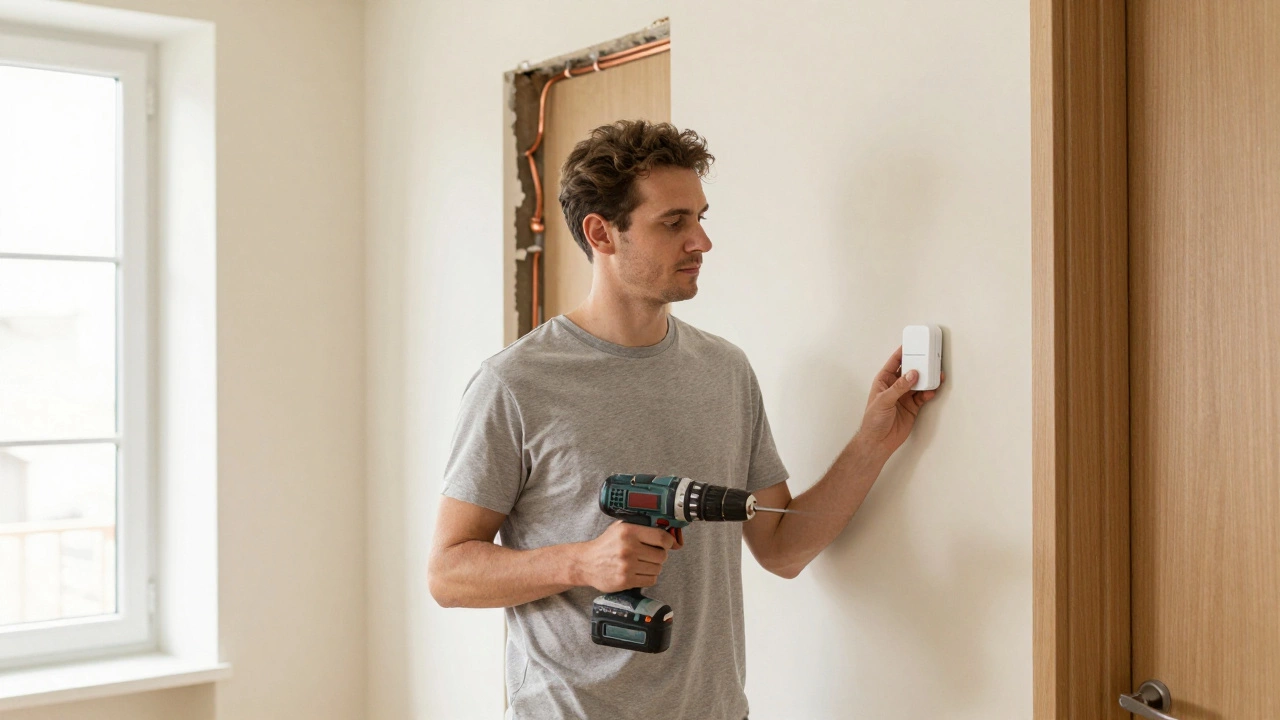
You’re standing in your hallway, looking at a blank wall where you want to install a motion sensor. Do you grab a drill and start running cables through the drywall, or do you stick a battery-powered device on the surface and call it done? It’s the classic debate in home security: wired vs wireless alarm systems. The answer isn’t as simple as picking one side. It depends entirely on whether you own your home, how thick your walls are, and how much you hate changing batteries.
Here is the quick reality check: wired systems are like old-school landlines-rock solid, reliable, but a pain to set up. Wireless systems are like your smartphone-flexible, feature-rich, and easy to move, but they need charging and can suffer from signal drops. Let’s break down exactly which one fits your life.
The Core Difference: Cables vs Radio Waves
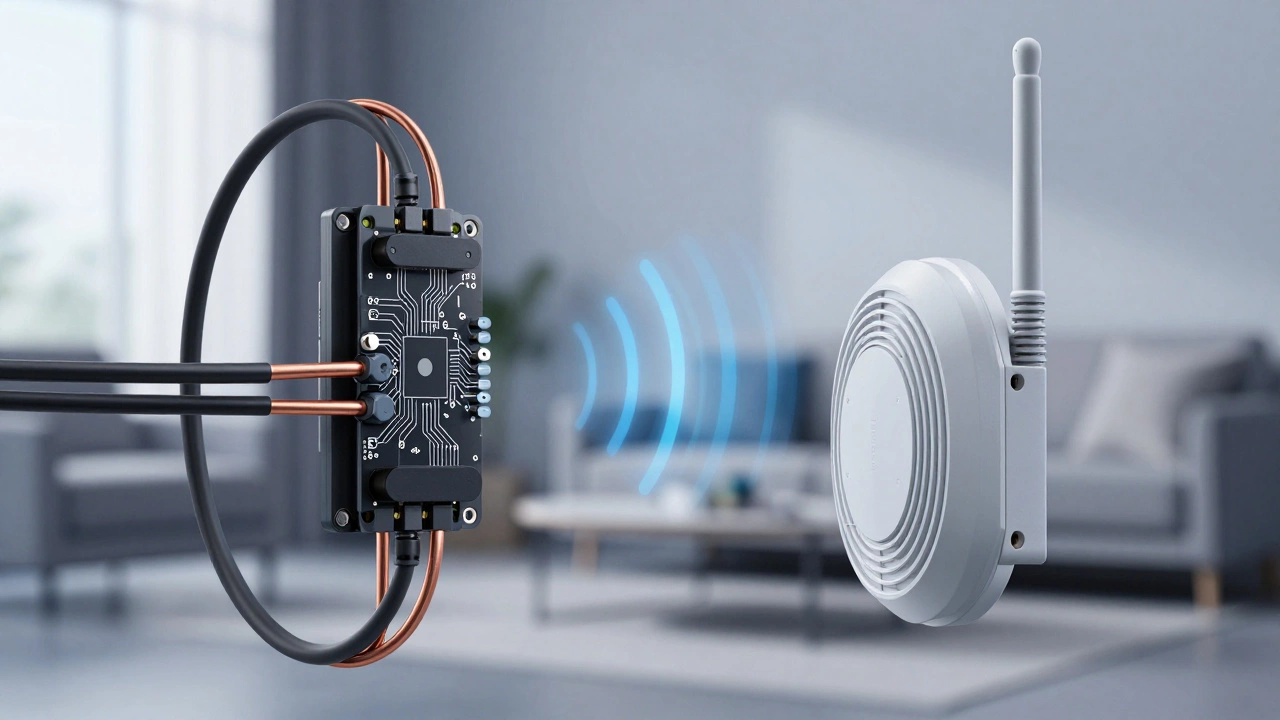
To understand which is better, we first need to look under the hood. A wired alarm system connects every sensor-door contacts, motion detectors, keypads-to a central control panel using physical copper wires. These wires carry both power and data. If you cut the wire, the circuit breaks, and the alarm triggers. It’s mechanical simplicity at its finest.
A wireless alarm system, on the other hand, uses radio frequency (RF) signals to talk to a hub. Each sensor has its own battery. When you open a door, the sensor sends a coded radio burst to the base station. No wires mean no drilling holes in finished walls, but it does mean you’re relying on invisible waves traveling through your house.
Reliability: The Wired Advantage
If reliability is your only metric, wired wins hands down. There is no such thing as "bad reception" for a wire that is physically connected. In large homes with thick concrete walls, metal studs, or lots of electronic interference from microwaves and Wi-Fi routers, RF signals can struggle. A wireless sensor might miss a trigger if the signal path is blocked.
However, modern wireless technology has improved drastically. Most professional-grade wireless systems now use encrypted, spread-spectrum RF protocols that hop frequencies to avoid interference. They are far more robust than the cheap garage-door openers of the past. But if you have a sprawling property with detached garages or basement suites, you might still find yourself needing a repeater or two to keep the wireless link strong.
Installation: The Wireless Win
This is where most people choose wireless. Installing a wired system in an existing home is invasive. You need to run cables through ceilings, behind baseboards, or inside walls. Unless you’re building new or doing major renovations, this usually means hiring an electrician or a security installer. That costs money and time.
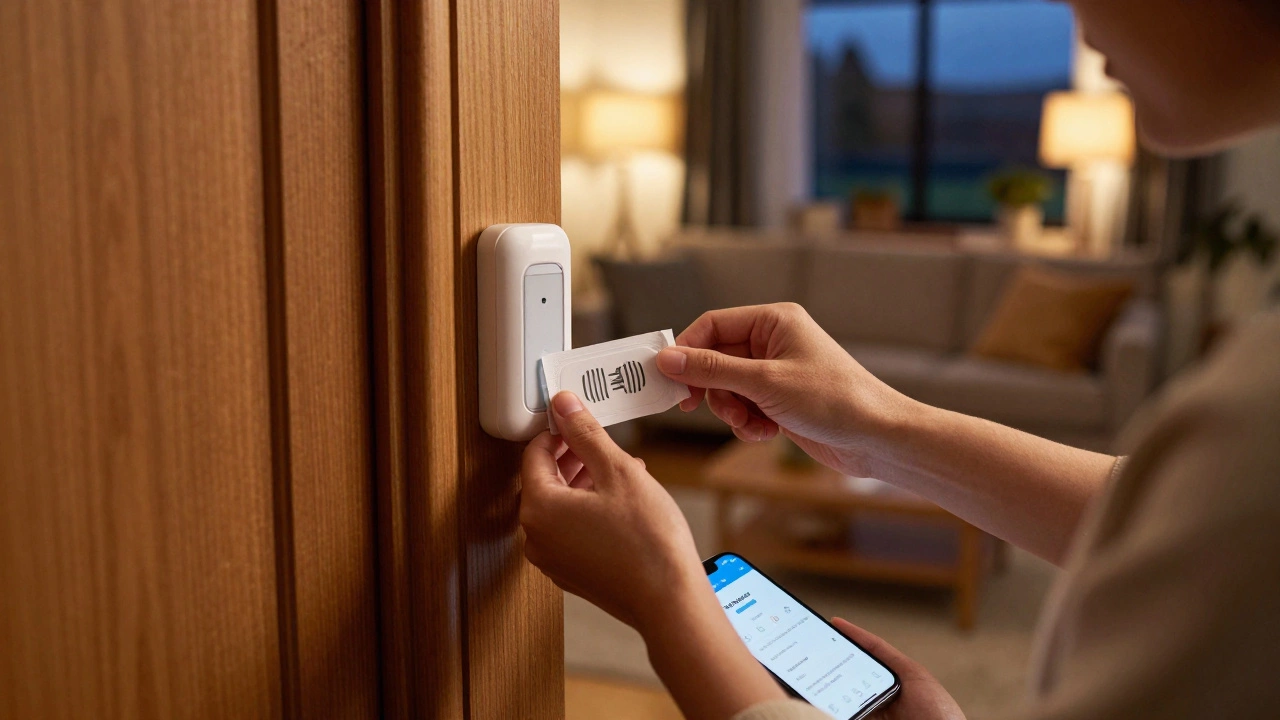
Wireless systems are designed for DIY. You can peel-and-stick sensors onto door frames in an afternoon. If you rent an apartment in Adelaide or anywhere else, you won’t damage the property. You can take the whole system with you when you move. For renters or homeowners who hate contractors, wireless is the obvious choice.
| Feature | Wired System | Wireless System |
|---|---|---|
| Installation | Complex; requires professional help | Easy; DIY friendly |
| Power Source | Mains power via cables | Batteries in each sensor |
| Reliability | Very high; immune to RF interference | High; potential for signal dropouts |
| Flexibility | Low; hard to move sensors | High; easy to relocate |
| Upfront Cost | Higher (labor intensive) | Lower (DIY kits available) |
| Maintenance | Low; replace panel battery every 3-5 years | Medium; replace sensor batteries annually |
Maintenance: The Hidden Hassle of Wireless
Let’s talk about batteries. In a wired system, the sensors get power from the panel. You don’t think about them until the whole system goes down during a blackout, at which point the backup battery kicks in. You might replace that main backup battery once every three to five years.
In a wireless system, every single sensor has a battery. A typical home might have 10-20 sensors. That’s 10-20 batteries to watch. Modern systems will send you a push notification when a battery is low, but if you ignore it, that sensor becomes useless. Some users find this annoying. Others don’t mind swapping out a CR123A battery once a year. It’s a trade-off: convenience of installation versus ongoing maintenance.
Security Risks: Jamming vs Cutting Lines
Every system has vulnerabilities. With wired systems, the old-school threat was someone cutting the phone line to stop the alarm from calling the police. Today, most wired systems use cellular or IP backup communicators, so cutting the external line doesn’t silence the alert. The real risk with wired systems is physical tampering-an intruder cutting the internal wiring between the sensor and the panel. This is harder to do without triggering a tamper switch, but it’s possible.
With wireless systems, the fear is RF jamming. A jammer is a device that floods the airwaves with noise, blocking the sensor’s signal from reaching the hub. While rare in residential areas, it is a known tactic for professional burglars. However, good wireless panels detect jamming attempts and will sound a local siren immediately, even if they can’t send a remote signal. Cheap consumer-grade systems may not have this protection, so stick to reputable brands.
Who Should Choose Wired?
Go wired if:
- You are building a new home or doing a full renovation. Running cables while the walls are open is cheap and easy.
- You live in a large property with thick masonry walls that block RF signals.
- You want a "set it and forget it" system with zero battery changes for sensors.
- You require the highest grade of insurance-approved security (some insurers still prefer wired for high-risk assets).
Who Should Choose Wireless?
Go wireless if:
- You are renting or living in an existing home where you don’t want to drill holes.
- You want to install the system yourself this weekend.
- You plan to move in the next few years and want to take your security with you.
- You want to easily add smart home features like video doorbells and smart locks that integrate seamlessly.
The Best of Both Worlds: Hybrid Systems
Why choose? Many modern professional alarm panels support both wired and wireless zones. This is called a hybrid alarm system. You can wire up the critical perimeter sensors (front door, back door) for maximum reliability, and use wireless sensors for windows, closets, or hard-to-wire areas. This gives you the stability of wired where it matters most and the flexibility of wireless where it’s convenient. If you’re working with a pro installer, ask about hybrid options.
Final Verdict
For most homeowners in 2026, especially those not building from scratch, a quality wireless system is the smarter choice. The technology is mature, the installation is stress-free, and the integration with smartphones makes it actually usable. But if you value absolute signal integrity over convenience, or you’re starting with a blank slate in new construction, wired remains the gold standard for reliability.
Can I convert my wired alarm system to wireless?
Yes, but it depends on your control panel. Many modern panels support adding wireless sensors alongside existing wired ones. However, you cannot simply unplug a wired sensor and replace it with a wireless one unless your panel supports that specific mix. You would likely need to upgrade the control panel first.
Do wireless alarm systems work during a power outage?
Yes. The sensors run on batteries, so they always have power. The base station/hub also has a built-in backup battery that keeps it running for several hours during a blackout. As long as the hub has power and cellular/Wi-Fi connectivity, it will still alert you and monitoring services.
Are wireless alarms easier to hack?
Not necessarily. Older wireless systems were vulnerable, but modern systems use rolling code encryption that changes with every signal. Hacking into a secure wireless protocol is difficult. The bigger risk is often weak Wi-Fi passwords or outdated firmware on the hub, so keep your software updated.
How long do wireless alarm batteries last?
Typically 1 to 3 years, depending on the brand and usage. Motion detectors drain batteries faster because they transmit more often than simple door contacts. Most systems will warn you via app notification when a battery is getting low, giving you time to replace it.
Which is cheaper: wired or wireless?
Wireless is usually cheaper upfront because you save on labor costs for installation. Wired systems require significant labor to run cables, which drives up the price. However, over many years, you might spend more on replacement batteries for a wireless system, though this cost is generally minimal compared to installation savings.