
Wired vs Wireless CCTV Suitability Calculator
Answer the following questions about your property to get a personalized recommendation.
Prefer cheaper hardware, okay with monthly cloud fees.
Willing to pay more now for zero monthly fees later.
Picture this: You’re on holiday in the Southern Hemisphere, sipping a coffee in Adelaide, and your phone buzzes. It’s a notification from your home security system. But instead of a crisp image of your driveway, you get a spinning wheel or a pixelated mess. Frustrating, right? This scenario highlights the core debate in home security today: wired vs wireless CCTV. The choice isn't just about aesthetics; it determines whether you actually see what matters when it counts.
In 2026, the gap between these two technologies has narrowed, but fundamental differences remain. Wired systems offer rock-solid reliability and high-definition clarity, while wireless kits promise easy installation and flexible placement. To decide which is better for your property, we need to look beyond marketing hype and examine how these systems perform in real-world conditions regarding power, data transmission, security, and long-term costs.
The Reliability Factor: Connection Stability
When evaluating wired CCTV systems, surveillance setups using physical cables like Ethernet or coaxial for data and power transmission, the standout feature is consistency. These systems transmit video footage through dedicated physical lines. Think of it like having a private highway for your data. No matter how many other devices are streaming Netflix or downloading updates on your Wi-Fi network, your wired camera’s feed remains uninterrupted. This is crucial for capturing critical details during an incident, such as license plates or facial features.
Wireless CCTV systems, security cameras that transmit video data via Wi-Fi or cellular networks without physical data cables, rely on your home’s internet infrastructure. In dense urban areas like inner-city Adelaide apartments, where hundreds of Wi-Fi signals compete for space, interference can be a nightmare. If your router drops packets or the signal weakens due to thick brick walls, your camera might go offline precisely when you need it most. While modern Wi-Fi 6 routers have improved speeds, they cannot match the dedicated bandwidth of a wired connection.
| Feature | Wired CCTV (PoE/IP) | Wireless CCTV (Wi-Fi) |
|---|---|---|
| Signal Interference | None (immune to RF noise) | High (susceptible to congestion) |
| Data Consistency | Stable, continuous stream | Variable, depends on router load |
| Range Limitations | Up to 100m per cable segment | Limited by Wi-Fi strength |
| Weather Impact | Minimal (if cables are rated) | Moderate (signal attenuation) |
Installation Complexity and Flexibility
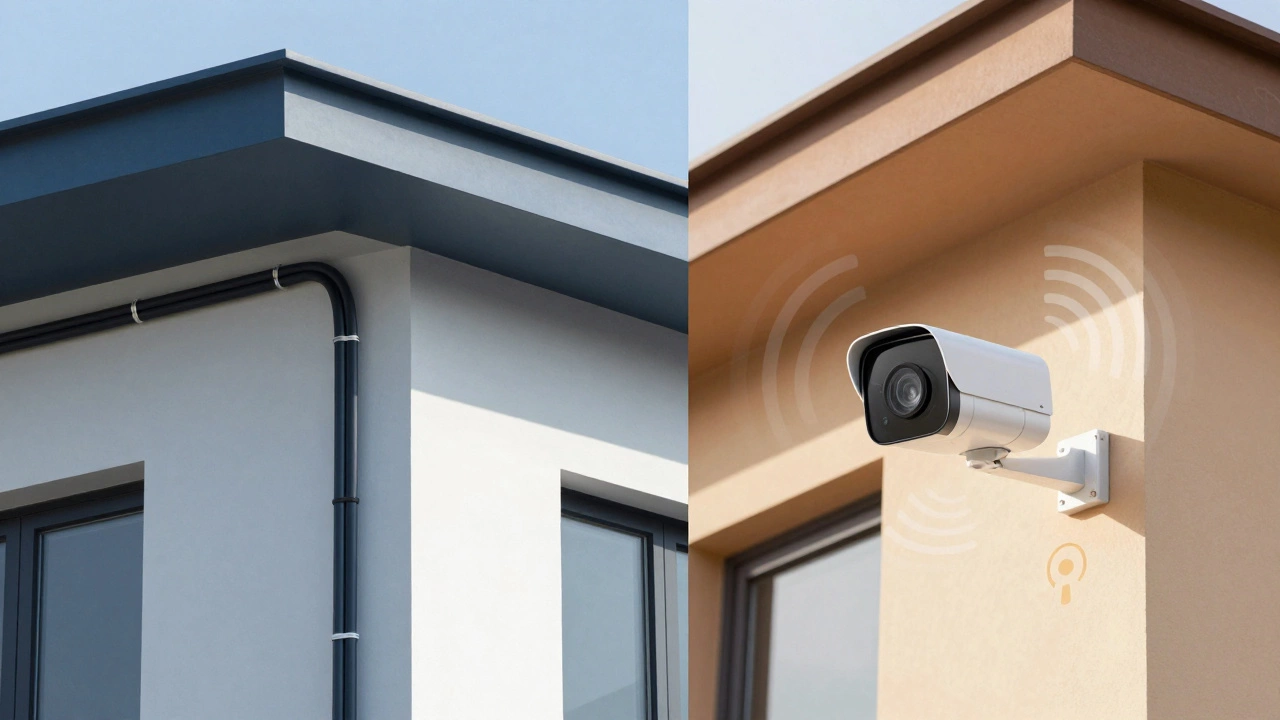
If you hate drilling holes into your rendered walls or running cables along eaves, wireless cameras are tempting. A typical wireless CCTV kit, a package containing battery-powered or plug-in cameras designed for DIY installation without extensive wiring allows you to mount cameras anywhere within range of your router. You screw them to the wall, connect them to your app, and you’re done in minutes. This flexibility is perfect for renters who cannot make permanent modifications or for adding temporary coverage to a backyard shed.
However, "wireless" is often a misnomer. Most consumer-grade wireless cameras still require a power source. Unless you opt for expensive solar-battery hybrids, you’ll need to run AC power cables to each camera location. True wire-free solutions exist but come with significant trade-offs in maintenance. On the flip side, installing Power over Ethernet (PoE) cameras, network cameras that receive both electrical power and data through a single Ethernet cable requires more upfront effort. You need to plan cable routes, potentially hire an electrician, and ensure your Network Video Recorder (NVR) is centrally located. Yet, once installed, wired systems are virtually invisible and permanent, offering a cleaner aesthetic without visible power adapters hanging off walls.
Video Quality and Bandwidth Demands
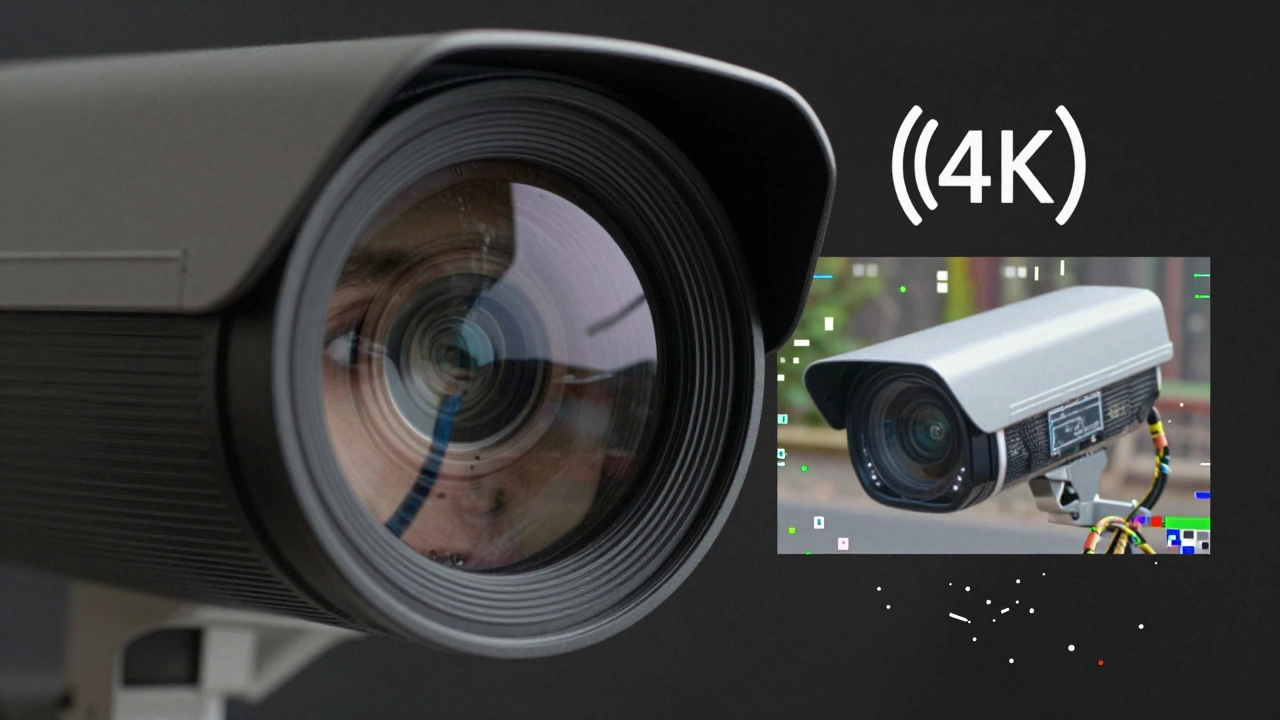
In 2026, 4K resolution is becoming standard for premium security cameras. Transmitting 4K video requires massive bandwidth. Wired connections handle this effortlessly. A Cat6 Ethernet cable can support gigabit speeds, ensuring smooth, lag-free playback even when multiple cameras are recording simultaneously. This means clearer images, better night vision processing, and more accurate AI detection of people versus pets.
Wireless cameras struggle with high-bitrate streams. To maintain stability over Wi-Fi, manufacturers often compress the video heavily, leading to blocky artifacts or lower frame rates. If you try to push 4K over a congested 2.4GHz Wi-Fi band, the quality will degrade significantly. Even on 5GHz bands, distance and obstacles reduce throughput. For critical security needs where identifying a suspect is paramount, the superior video fidelity of wired systems makes them the clear winner.
Power Supply and Maintenance Burden
Let’s talk about batteries. Battery-powered wireless cameras sound convenient until you realize you have to charge them every few months. During winter in Adelaide, when daylight hours shrink, solar panels may not generate enough power, forcing you to manually recharge units. If a camera dies because you forgot to charge it, your security perimeter has a hole in it. Wired cameras, powered continuously via PoE or direct AC, never run out of juice. They operate 24/7 without user intervention, providing true peace of mind.
Furthermore, wired systems often include Uninterruptible Power Supplies (UPS). If the power goes out during a storm, your wired system stays online, continuing to record locally. Many wireless cameras rely on cloud connectivity; if the power and internet go down, they become useless bricks unless they have robust local storage options, which are less common in budget wireless models.
Security and Cyber Vulnerabilities
Cybersecurity is a major concern for any connected device. Wired systems are inherently more secure because they are physically isolated from the general network traffic. An attacker would need physical access to your Ethernet switch or NVR to intercept data. While not impossible, it raises the barrier to entry significantly.
Wireless cameras broadcast data over the air, making them potential targets for hackers. Weak passwords, outdated firmware, or unencrypted Wi-Fi protocols can expose your feeds to the public internet. Although reputable brands use WPA3 encryption and end-to-end security, the attack surface is larger. Every wireless camera is another device trying to authenticate with your router, increasing the complexity of your network security management.
Cost Analysis: Initial vs Long-Term
Initially, wireless kits appear cheaper. You buy a box of four cameras and a base station for a few hundred dollars. However, consider the hidden costs. Cloud storage subscriptions for wireless systems can add up to $10-$20 per month per camera. Over five years, this exceeds the cost of a hard drive for a wired system. Additionally, replacing batteries or dealing with frequent connectivity troubleshooting adds time and money.
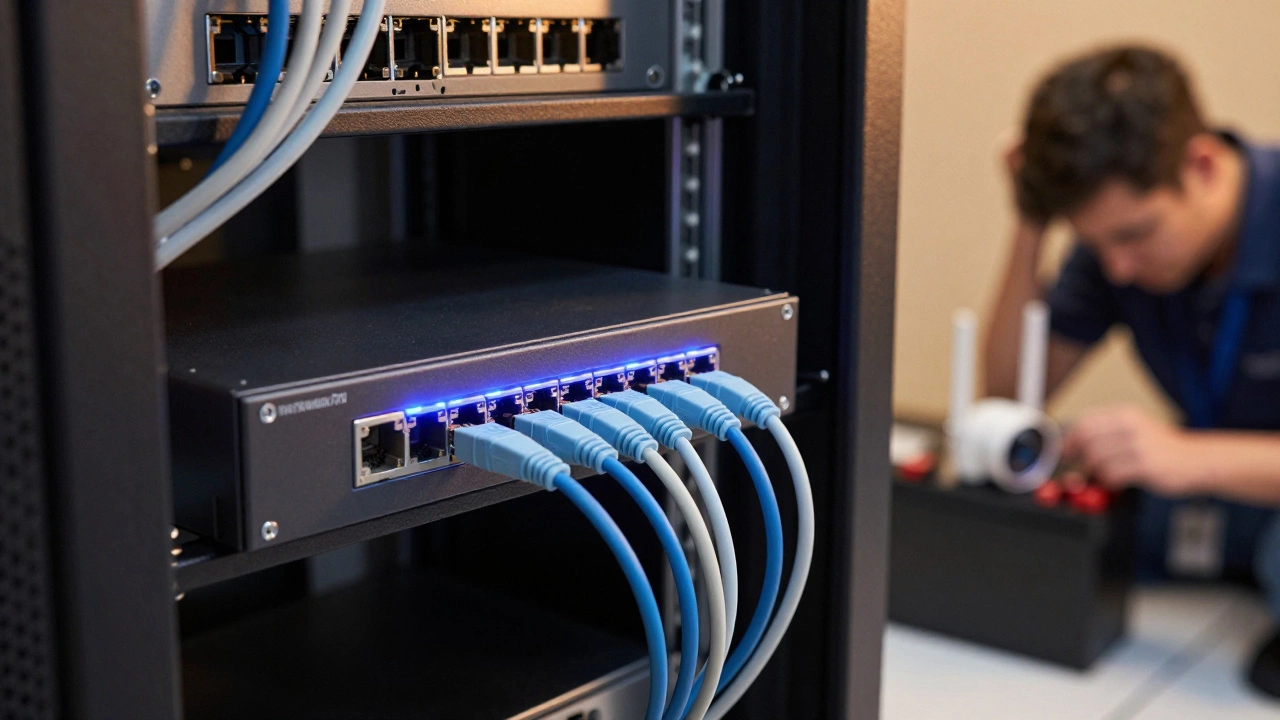
Wired systems have higher upfront costs due to cabling materials and professional installation fees. But they offer unlimited local storage on NAS drives or NVRs without monthly fees. Once installed, maintenance is minimal. For large properties or commercial buildings, the total cost of ownership (TCO) for wired systems is often lower over a decade.
Which System Fits Your Lifestyle?
Your choice should depend on your specific situation. If you own a standalone house with existing conduit or are building new, a wired PoE system is the gold standard for reliability and quality. It’s ideal for homeowners who want a "set it and forget it" solution with maximum deterrence and evidence quality.
Choose wireless if you are renting, have historical buildings where drilling is prohibited, or need to cover remote areas far from your main router. Wireless is also great for supplemental coverage, like monitoring a garage or a temporary construction site. Just ensure you have a strong mesh Wi-Fi system to support the cameras.
Can I mix wired and wireless cameras in one system?
Yes, many modern NVRs and VMS (Video Management Software) platforms support hybrid setups. You can connect primary cameras via Ethernet for reliability and add wireless cameras for hard-to-reach spots. Ensure all cameras are compatible with your central recording device.
Do wireless cameras work without Wi-Fi?
Most consumer wireless cameras require Wi-Fi for live viewing and alerts. However, some offer local SD card storage, allowing them to record even if the internet drops. Cellular cameras exist but require monthly data plans and are generally more expensive.
How far can I run a wired CCTV cable?
Standard Ethernet (Cat5e/Cat6) supports distances up to 100 meters (328 feet) without signal degradation. For longer runs, you can use fiber optic cables or install additional PoE switches to extend the reach.
Are wired cameras harder to hack?
Generally, yes. Because wired cameras transmit data through physical cables, attackers cannot intercept the signal remotely. They would need physical access to your network hardware, which is much riskier than exploiting wireless vulnerabilities.
What is the best resolution for home security in 2026?
4K (Ultra HD) is increasingly recommended for detailed identification, especially for license plates. However, 1080p (Full HD) remains sufficient for general motion detection and area monitoring if bandwidth is a constraint.