

If your security camera leaves you staring at blurry blobs and shadows at night, it’s not just you—it's a common struggle. This article breaks down what actually helps night vision cameras see better after dark and clears up some myths. You'll learn how light tricks, smart settings, and some surprising add-ons can sharpen your nighttime footage. Whether you’re tired of guessing if that’s a raccoon or just your neighbor's cat, you’ll find practical fixes right here. Skip the guesswork and get more out of your camera when the sun disappears.

Picking the best security camera brand means thinking about reliability, features, and how easy it is to use. This article compares the top contenders and shares what really sets the leaders apart this year. Get tips on what to look for before buying, plus some surprising industry trends. Find out which brand claims the No. 1 spot and why users are sticking with it. Whether you’re a tech newbie or a gadget lover, get practical advice for keeping your home safer.

You’ve heard the stories, right? The ones about apps sneakily accessing your phone camera? It’s a real concern for many folks worried about privacy and security. This guide sorts out how apps can obtain camera access, how you can control these permissions, and the tech that acts as your watchdog. Explore easy tips to keep prying eyes at bay and ensure your device's security remains tight.

Night vision cameras bring a sense of security, but can they see through windows? This article delves into how these gadgets work, exploring myths and practical realities. It unpacks how infrared technology interacts with glass and offers tips on optimizing your surveillance system. By understanding these factors, you can make informed decisions about your home or business security setup.
Choosing the right home security system can be tricky with so many options out there. This article breaks down which security system is the top choice in the U.S., focusing on ease of use, advanced features, and affordability. Learn about the best home security cameras and what sets them apart. Explore tips and facts that will help you make an informed decision and secure your home effectively. Understand what makes a security system top-rated in the market today.
Choosing between wired or wireless security cameras involves understanding their Internet and WiFi requirements. While some cameras need constant Internet connectivity to access features like cloud storage and remote monitoring, others operate smoothly offline with local storage solutions. It's important for homeowners to know how different camera types function, consider network strength, and explore alternative connectivity options to ensure their security systems are reliable.
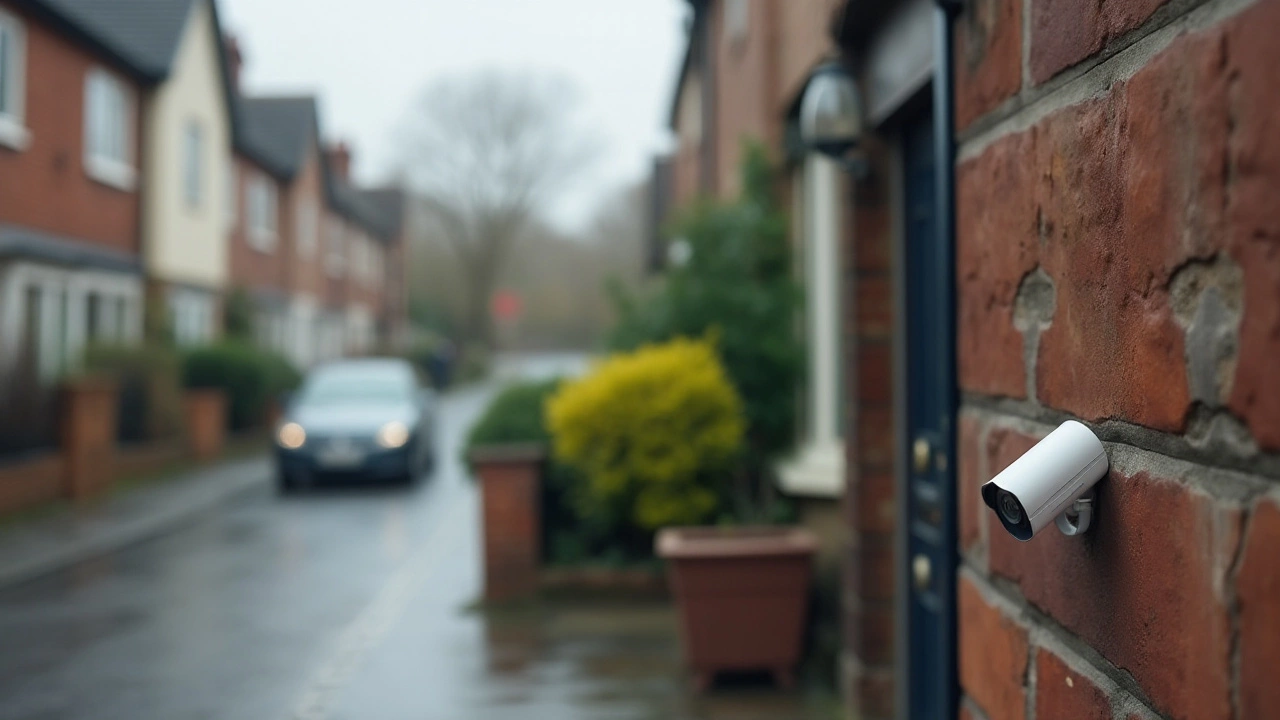
In the modern landscape of home security, many are seeking cameras that don’t burden them with recurring monthly fees. This article dives into options available as of 2024, providing you with comprehensive insights into the best picks for consumers who prefer a one-off purchase or a system that operates with free cloud services. From wired to wireless options, we uncover the best investment for peace of mind without the constant financial commitment.
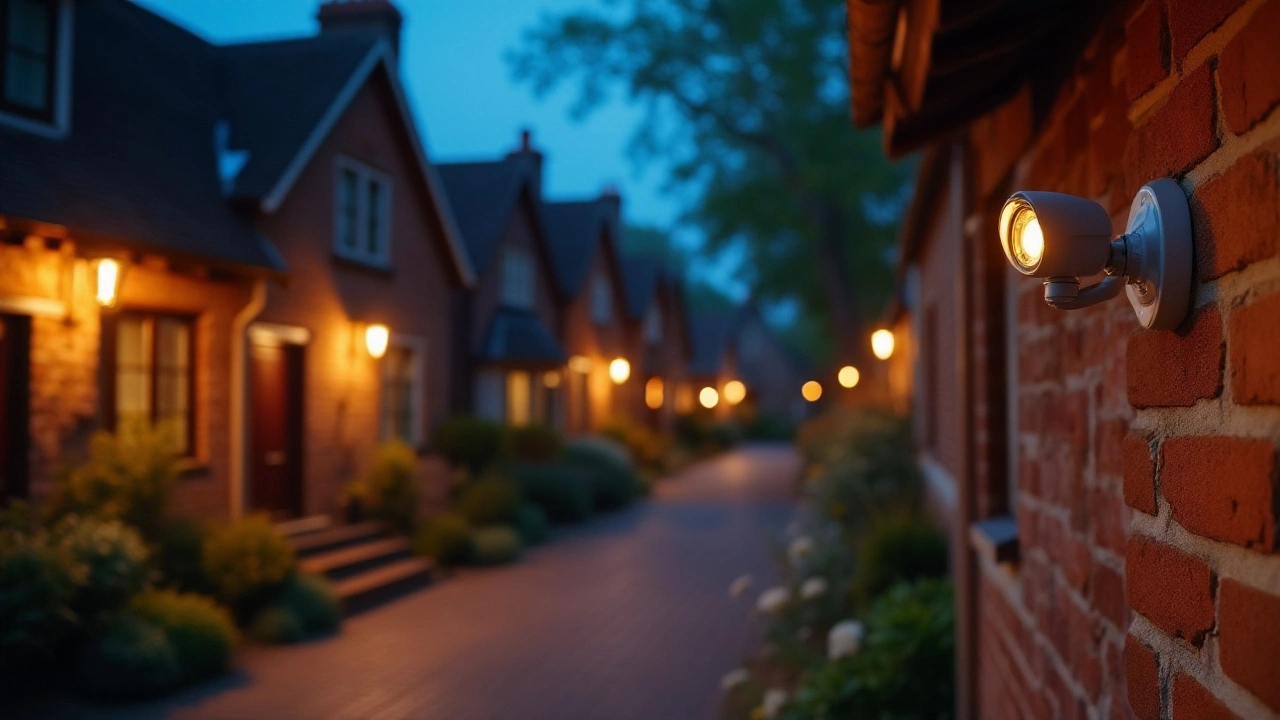
Not all surveillance cameras come equipped with night vision capabilities. While many modern security cameras do boast this feature, there are variations in infrared technology, image quality, and functionality. Some cameras use advanced infrared LEDs, while others rely on low-light color sensors. It's important to understand different options available to make an informed choice based on surveillance needs.