
Pet-Immune Security Compatibility Checker
Enter your pets' details below to determine which sensor tier you need. Remember: most sensors calculate immunity based on the combined weight of all pets in a single room.
Add Pets to Start
Please enter at least one pet's weight to see the recommended sensor type.
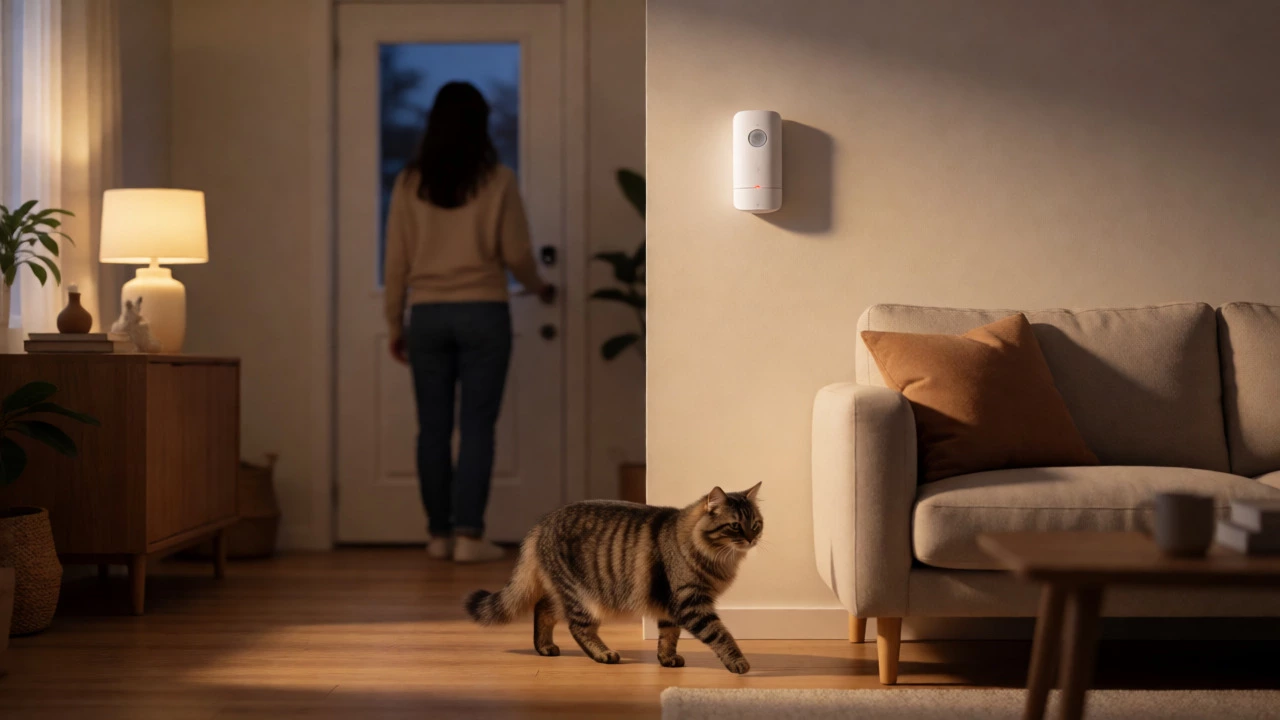
You’re trying to leave for work, you arm the system, and then-blare. The siren screams. You rush back inside to find your cat just walked past the living room sensor. Sound familiar? If you share your home with a dog or a cat, you’ve probably wondered if it’s even possible to have a working alarm system without being constantly annoyed by false triggers.
The short answer is yes. Modern home security systems are explicitly designed to coexist with pets. They aren't just "okay" with animals; they are engineered to ignore them while still catching human intruders. But here is the catch: it doesn’t happen automatically. You need the right hardware and, more importantly, the right setup. This guide breaks down exactly how pet-immune technology works, what weight limits actually mean, and how to configure your system so your Great Dane doesn’t call the police every time he wants a snack.
How Pet-Immune Technology Actually Works
To understand why some alarms go off for pets and others don’t, you need to know what the sensor is looking for. Most standard motion detectors use Passive Infrared (PIR) technology. These sensors detect changes in heat signatures. When a warm body moves across their field of view, the sensor trips.
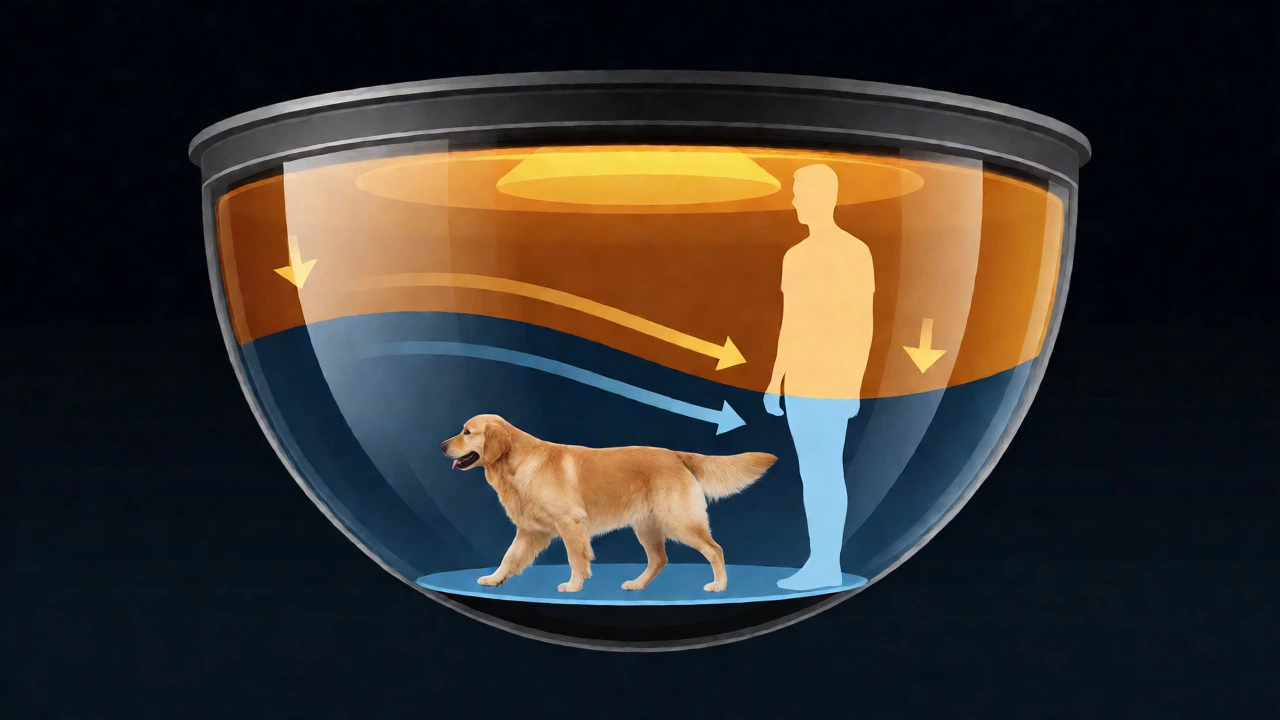
A pet-immune sensor uses optical design and signal processing to ignore low-level, small-mass movement. Think of it like a bouncer at a club who only lets in people over six feet tall. The sensor has a specific lens arrangement that focuses on the vertical position and apparent size of the heat source. It effectively creates a "blind spot" near the floor where cats and small dogs walk, while still monitoring the higher zones where an adult human would move.
Some advanced models, like DSC’s PowerG series, use Target Specific Imaging (TSI). This tech analyzes the thermal profile of the moving object. It distinguishes between the compact, low-to-the-ground heat signature of a 10kg dog and the taller, larger profile of a burglar. Other systems use dual-technology sensors that combine PIR with microwave detection. For the alarm to trip, both technologies must agree that a threat is present. Since microwaves can sometimes be confused by heavy fur or rapid movement, requiring two confirmations drastically reduces false positives from pets.
The Weight Limit Myth vs. Reality
If you look at the spec sheet for any pet-friendly motion detector, you’ll see a number. Usually, it says something like "Pet Immunity up to 25 kg" or "up to 40 kg." This is the most misunderstood part of buying a security system.
This number isn't just about your one dog. It’s about the combined weight of all pets in the room. If you have two 15kg dogs, you need a sensor rated for at least 30kg. If you have three cats weighing 4kg each, you need a rating above 12kg. Furthermore, these ratings assume the pets are behaving normally. A large dog jumping onto a sofa directly into the sensor's path might trigger an alarm even if its weight is technically within the limit, because the sudden change in height alters the thermal profile.
| Sensor Type | Typical Weight Limit | Best For |
|---|---|---|
| Basic DIY Sensors | Up to 11 kg (25 lb) | Cats, small breeds (Chihuahuas) |
| Standard Pro Sensors | Up to 27 kg (60 lb) | Medium dogs, multiple cats |
| High-End Immune Sensors | Up to 40+ kg (88 lb) | Large breeds (Labradors, Shepherds) |
In Australia, major providers like ADT typically offer sensors that ignore detection up to 35 kg, which covers most medium-sized family dogs. However, if you own a Great Dane or a Mastiff, you might exceed this limit. In those cases, relying solely on motion sensors is risky. You’ll need to rely more on entry points and cameras.
Strategic Placement Is More Important Than Hardware
You can buy the most expensive pet-immune sensor in the world, but if you mount it wrong, it will fail. The golden rule of installation is height and angle. Manufacturers usually recommend mounting PIR sensors between 2.1 meters and 2.4 meters high. At this height, the lens is angled slightly downward. This geometry ensures the bottom edge of the detection zone stops above the head of a typical pet.
Here are three placement mistakes that cause false alarms:
- Pointing at Staircases: If a sensor looks directly down a staircase, a dog running up or down changes its elevation rapidly. This vertical movement can confuse the sensor, making it think a person is climbing toward it.
- Overlooking Furniture: Cats love windowsills and sofas. If a cat jumps onto a couch that sits directly in the sensor's line of sight, the sudden appearance of a heat source at waist height can trigger the alarm. Try to aim sensors away from favorite lounging spots.
- Too Close to Windows: Sunlight streaming through a window can create heat patches. As clouds pass, these patches shift. Combined with a pet walking through the light, this can cause "ghost" triggers. Keep sensors out of direct sunlight paths.
If you have a very active pet that loves to jump, consider using snap-on pet immunity masks. Some professional-grade sensors, like certain DSC models, come with physical plastic shields that block the lower portion of the lens. This mechanically prevents the sensor from seeing anything below a certain height, guaranteeing that a jumping dog won't trip it unless it leaps higher than an average human.
Beyond Motion: The Role of Entry Sensors and Cameras
Motion sensors are the weakest link in pet-friendly setups. That’s why experts often advise anchoring your security strategy with entry-point sensors. Magnetic contacts on doors and windows are inherently pet-proof. They only trigger when the physical circuit is broken-meaning the door or window is opened. A dog wagging its tail next to a closed door won’t set off a magnetic contact. A cat rubbing against a window frame won’t either.
For many households, especially those with large dogs, the best approach is to minimize interior motion sensors. Instead, focus on securing the perimeter. Use door and window sensors for every accessible opening. Then, add glass break detectors for large windows. These listen for the specific frequency of shattering glass, ignoring barking or meowing.
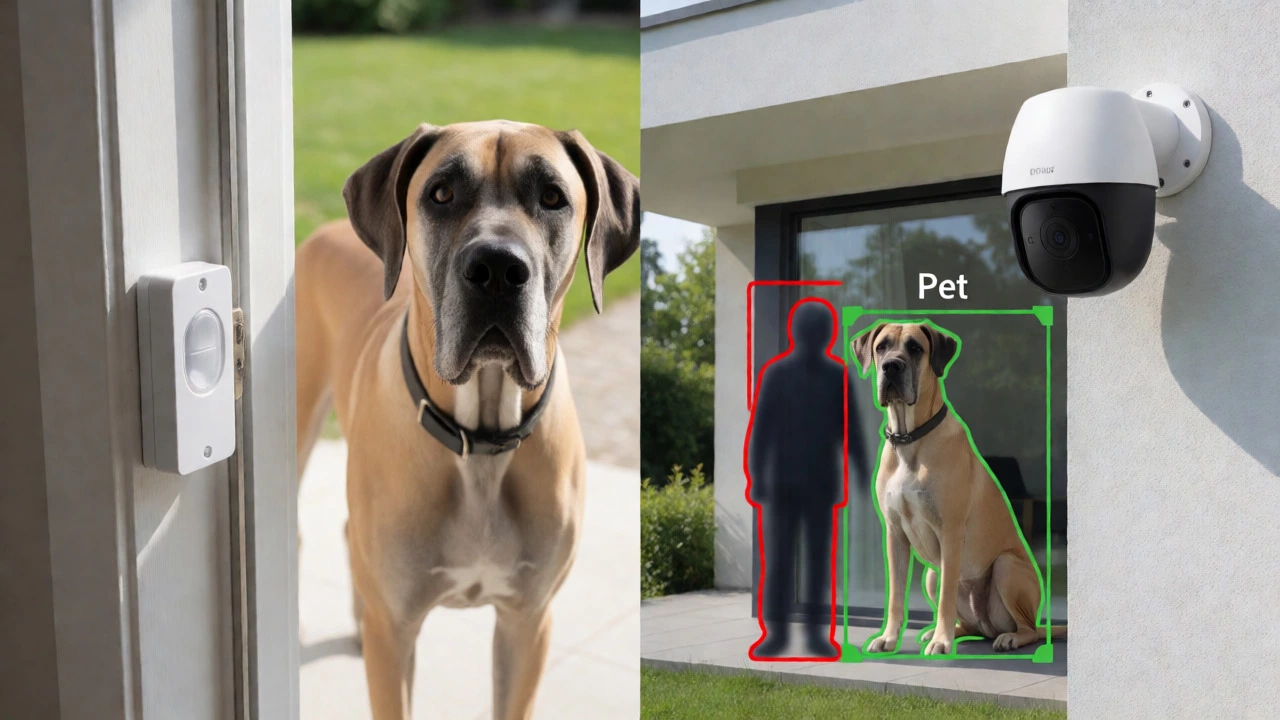
Cameras have become the ultimate tie-breaker. Modern systems from brands like Ring, Arlo, and SimpliSafe use AI to distinguish humans from animals. When motion is detected, the camera takes a snapshot or starts recording. The cloud-based analytics analyze the shape and movement. If it sees a four-legged animal, it ignores the alert. If it sees a bipedal figure, it sends a notification to your phone.
This adds a layer of verification. Even if a motion sensor does trip, you can check the live feed before panicking. Many users report configuring their systems to send alerts to their phones first, rather than immediately calling the monitoring center. This allows you to dismiss a false alarm caused by your pet with a single tap, avoiding dispatch fees.
DIY vs. Professional Monitoring with Pets
Does it matter if you install the system yourself or hire a pro? For pet owners, it matters significantly regarding configuration and support.
With DIY platforms like Abode or Eufy, you have total control. You can adjust sensitivity levels in the app. If your 20kg dog keeps triggering the hallway sensor, you can lower the sensitivity until it stops, provided it doesn’t compromise security for humans. This trial-and-error process is free and easy. However, it requires patience. You might spend a week tweaking settings.
Professional monitoring services, such as those offered by Vivint or local Australian integrators, handle this for you. Crucially, you should inform your monitoring provider about your pets. Tell them the breed, weight, and habits. Some premium monitoring contracts include a "false alarm guarantee" or allow for a certain number of unverified dispatches per year. If the operator knows you have a large dog, they might be more inclined to attempt video verification via your cameras before sending police, reducing the risk of fines for repeated false alarms.
One often-overlooked aspect of pet safety is environmental monitoring. Pets can’t escape a fire or carbon monoxide leak on their own. Ensure your chosen system includes CO and smoke detectors linked to the central hub. If you’re away and the alarm sounds, the monitoring center can notify emergency services, potentially saving your pet’s life.
Troubleshooting Persistent False Alarms
So, you bought the pet-immune sensor, mounted it correctly, and your dog still sets it off. What now?
First, check the battery. Low voltage in wireless sensors can cause erratic behavior and random triggers. Replace batteries annually, even if the system says they’re fine.
Second, look for "phantom" heat sources. Does the sensor face a heater vent? Or a sunny patch of floor? Radiant heat can mimic the infrared signature of a moving pet. Move the sensor or block the heat source.
Third, consider the environment. Did you recently get new furniture? If your cat started sleeping on a new shelf that is now within the sensor's range, that’s likely the culprit. Adjust the angle or move the furniture.
Finally, if nothing works, bypass the sensor. Most systems allow you to create "modes." Create a "Pet Mode" or "Night Mode" where specific interior motion sensors are disabled, but entry sensors remain active. This gives you peace of mind knowing someone entering the house will still trigger the alarm, while your pets roam freely indoors.
Can I use a standard motion sensor if my pet is very small?
Yes, but it’s risky. Small pets like kittens or Chihuahuas weigh under 5kg. While some standard sensors might not trigger for them, sudden movements or jumping can still cause false alarms. It is always safer and cheaper in the long run to use a sensor specifically rated for pet immunity, even for small animals, to ensure consistent performance.
What happens if my dog weighs more than the sensor's limit?
If your dog exceeds the weight threshold (e.g., a 45kg dog with a 40kg limit), the sensor may treat it as a human intruder. You have two options: disable motion sensors in areas where the dog roams and rely on door/window contacts, or upgrade to high-capacity commercial-grade sensors that support weights up to 60kg or more.
Do smart cameras really distinguish between pets and burglars?
Most modern AI-driven cameras from brands like Ring, Arlo, and Eufy do an excellent job of this. They use machine learning models trained on thousands of images of humans, cars, and animals. While they are highly accurate, they aren't perfect. Heavy rain, shadows, or unusual angles can occasionally cause misidentification, but they significantly reduce false notifications compared to basic motion detection.
Will my alarm company charge me for false alarms caused by pets?
It depends on your local council regulations and your monitoring contract. In many Australian cities, excessive false alarms can result in fines after a certain number of dispatches. Informing your monitoring provider about your pets can help them implement better verification protocols (like checking video feeds) to avoid unnecessary dispatches. Always check your contract's false alarm policy.
Are magnetic door sensors affected by pets?
No. Magnetic reed switches on doors and windows are completely unaffected by pets. They only trigger when the magnet separates from the switch, which requires the door or window to physically open. This makes them the most reliable component of any pet-friendly security system.