
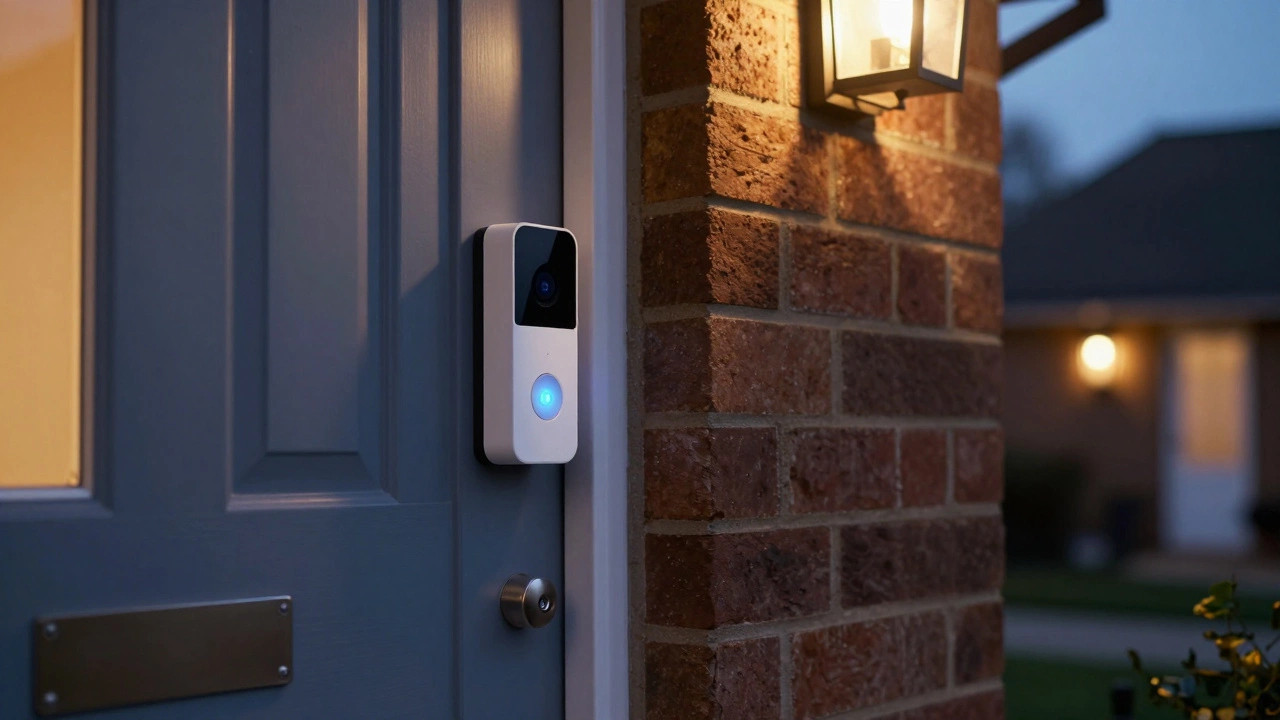
Smart Doorbell Security Effectiveness Calculator
Evaluate Your Setup
Select the features currently active in your home security setup to see your estimated deterrence score.
Deterrence Score
Passive Risk
Your current setup relies mostly on recording after the fact. It offers little immediate deterrence.
There is a popular belief that installing a smart doorbell is a digital watchdog that scares off criminals before they even touch your door handle. You see them everywhere on high streets in the UK, from Amazon's Ring to Arlo and Eufy. The marketing suggests that if you have one, you are safe. But does the data actually back this up? The short answer is: it depends entirely on how you use it.
If you treat a smart doorbell as a standalone security system, you might be walking into a trap. Research shows these devices can provide a false sense of security. However, when integrated into a broader strategy, they become a powerful tool for deterrence. Let’s look at what the evidence says about whether these cameras actually stop burglars or just record them after the fact.
The Psychology of Target Selection
To understand if a camera works, you first need to understand how a burglar thinks. Criminals are not random; they are opportunistic risk-assessors. A landmark study by Rutgers University analyzed over 37,000 residential burglaries. The finding was stark: homes with visible security systems experienced 60% fewer break-in attempts compared to unprotected properties.
But not all security measures are created equal in the eyes of a criminal. According to analysis by Security.org, the effectiveness of different deterrents varies wildly:
- Police nearby: 64% effectiveness
- Indications of alarms: 53% effectiveness
- Outdoor cameras: 50% effectiveness
- Security signs: 25% effectiveness
- Outdoor lighting: 16% effectiveness
This tells us that visibility matters. A smart doorbell is essentially an outdoor camera. If it is clearly visible, it signals to a potential intruder that their actions are being recorded. This increases the perceived risk of identification. However, a camera alone is only half the equation. The other half is the response.
The Passive vs. Active Monitoring Trap
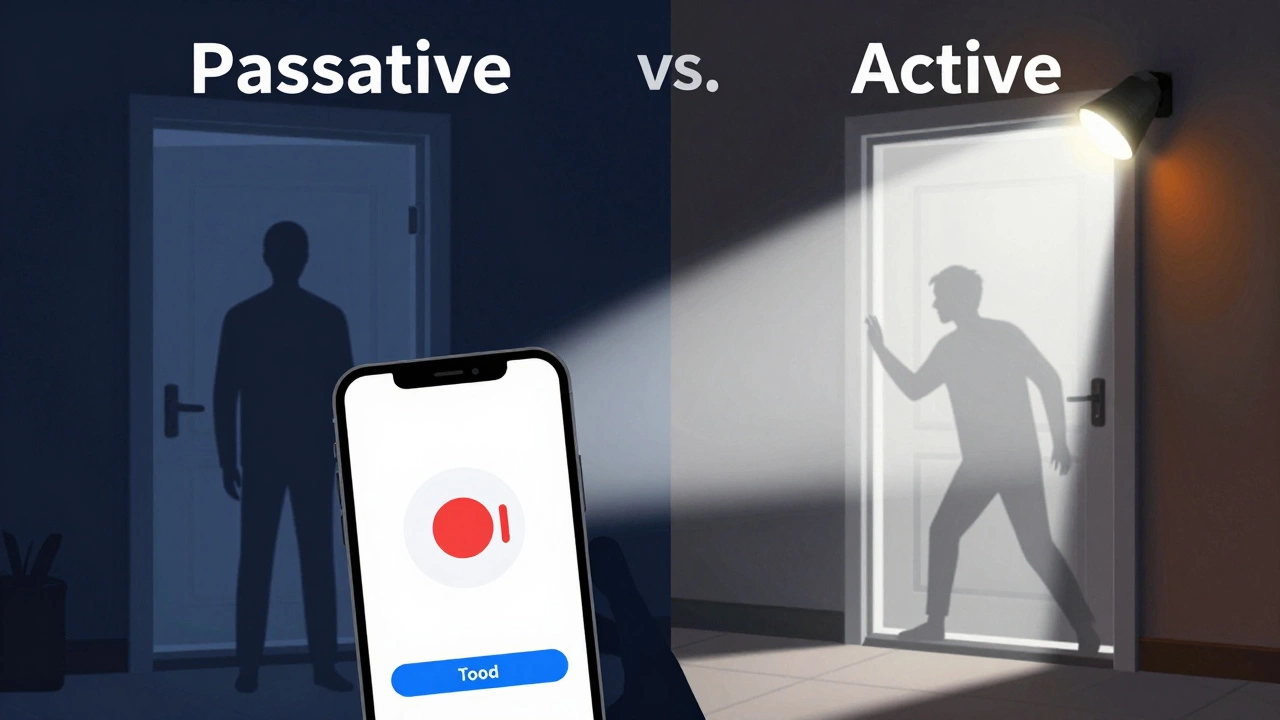
Here is where most homeowners get it wrong. Most smart doorbells are passive recording devices. They capture footage and send you a notification. By the time you check your phone, the burglar may already be inside, or worse, they may have already left with your valuables.
Research cited by Money.com highlights a critical flaw: video surveillance significantly deters crime only when it is actively monitored. Without a human watching the feed in real-time, a smart doorbell is largely a retrospective tool-it helps you catch the criminal later, but it rarely stops the crime in progress.
Consider this scenario: A burglar approaches your door. Your smart doorbell rings. You are busy with work or sleeping. The burglar sees no reaction. They realize there is no immediate threat. They proceed to cut the power or cover the lens. In contrast, a professionally monitored alarm system triggers an audible siren and alerts a security center immediately. Studies show that 95% of burglars flee when an audible alarm sounds. That is the difference between passive recording and active deterrence.
Can Smart Doorbells Actually Increase Risk?
It sounds counterintuitive, but some experts argue that smart doorbells can make your home a bigger target. Farsight, a leading cybersecurity firm, has warned that these devices can give homeowners a false sense of protection while inadvertently signaling wealth.
From a burglar’s perspective, a high-end smart home setup suggests valuable electronics, computers, and perhaps even cash. Furthermore, smart doorbells are vulnerable to physical tampering. Documented cases exist where intruders have disabled devices by cutting wires or covering lenses. Some criminals even disguise themselves to avoid facial recognition or clear video capture.
There is also the issue of privacy vulnerabilities. If your device is not secured with strong passwords and two-factor authentication, it could potentially be hacked, allowing an intruder to monitor your comings and goings without triggering any alerts. This turns your security device into a surveillance tool against yourself.
The Ring Effect: What the Data Shows
Amazon’s Ring brand dominates the market, holding approximately 55% of sales. Ring often cites statistics claiming a 55% reduction in crime in areas like Los Angeles where adoption is high. While impressive, these figures require context. Crime reduction in these areas is likely due to a combination of factors, including community policing initiatives and the density of security measures, not just the doorbells themselves.
However, law enforcement agencies do recognize the value of these devices. The Metropolitan Police Service in the UK, in collaboration with University College London, is conducting a large-scale randomized controlled trial to assess the impact of smart video doorbells on residential burglary. This rigorous approach moves beyond anecdotal evidence to provide scientific data on their true effectiveness.
In the meantime, police departments worldwide have partnered with companies like Ring to recover stolen goods using footage from neighbors’ doorbells. This proves that while they may not always prevent the initial break-in, they are invaluable for investigation and recovery.
| Measure | Deterrence Level | Key Advantage | Key Limitation |
|---|---|---|---|
| Smart Doorbell (Passive) | Moderate | Remote viewing & interaction | No real-time intervention |
| Audible Alarm System | High | Immediate fright factor | False alarms can desensitize neighbors |
| Professional Monitoring | Very High | Human verification & police dispatch | Monthly subscription costs |
| Visible Cameras | Moderate-High | Evidence collection | Vulnerable to tampering |
How to Make Your Smart Doorbell Work
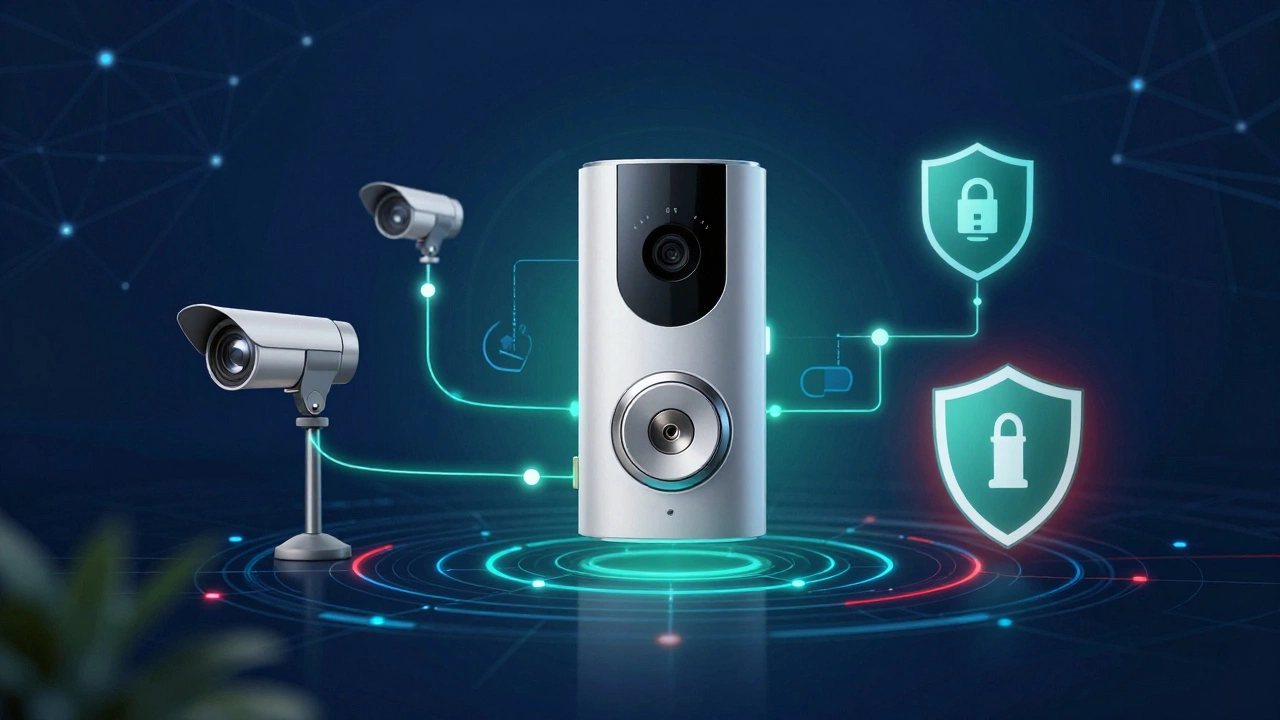
If you want your smart doorbell to act as a genuine deterrent, you cannot rely on it alone. You must integrate it into a layered security approach. Here is how to maximize its effectiveness:
- Enable Two-Way Audio: Use the "audio challenge" feature. When motion is detected, have the device automatically play a pre-recorded message like, "You are being recorded." This creates the illusion of immediate human presence and increases the perceived risk for the intruder.
- Integrate with Lighting: Connect your doorbell to smart outdoor lights. When motion is detected, flood the area with bright light. Darkness is a burglar’s best friend; sudden illumination disrupts their comfort and anonymity.
- Use Visible Signage: Place stickers indicating that your property is protected by video surveillance. As noted earlier, indications of alarms and cameras are highly effective psychological deterrents.
- Secure Your Network: Ensure your Wi-Fi network uses WPA3 encryption and change the default password on your doorbell. Prevent hackers from accessing your feed.
- Combine with Physical Locks: No electronic device replaces a solid deadbolt. Farsight notes that secure window locks and double door locks are among the most effective physical barriers. Use technology to supplement, not replace, physical security.
The Future of Home Security
The landscape of home security is evolving rapidly. Artificial intelligence and machine learning are improving threat detection, reducing false alerts from passing cars or animals. Biometric access controls are becoming more common, allowing homeowners to verify visitors instantly.
Interoperability is also improving. Modern smart doorbells now integrate seamlessly with wider smart home ecosystems, including smart locks, thermostats, and indoor cameras. This connectivity allows for automated responses-such as locking doors and turning on lights when a suspicious person is detected-that mimic the behavior of a professional security system.
As we move further into 2026, the line between consumer-grade devices and professional security blurs. However, the core principle remains unchanged: visibility and response are key. A smart doorbell is a powerful eye on your front step, but it needs a brain behind it to truly deter crime.
Does a Ring doorbell actually stop burglars?
A Ring doorbell can deter burglars primarily through visibility and the perception of monitoring. Studies show that visible cameras reduce break-in attempts by 50%. However, it is most effective when used with audible challenges or integrated into a broader security system. It is less effective as a standalone passive recorder because it lacks immediate intervention capabilities.
Are smart doorbells vulnerable to hacking?
Yes, like any internet-connected device, smart doorbells can be vulnerable to hacking if not properly secured. To mitigate this risk, always use strong, unique passwords, enable two-factor authentication, and keep the device firmware updated. Using a separate guest Wi-Fi network for IoT devices also adds a layer of security.
What is the most effective way to prevent burglary?
The most effective approach is a layered security strategy. This includes visible security indicators (cameras, signs), physical barriers (strong locks, reinforced doors), and active monitoring (alarms with professional response). Research indicates that homes with comprehensive security integration show the strongest deterrent effects across all demographics.
Can burglars disable smart doorbells?
Yes, determined burglars can disable smart doorbells by cutting power lines, covering the camera lens, or jamming wireless signals. Battery-powered models are harder to disable via power cuts but can still be physically damaged. Integrating your doorbell with a hardwired alarm system provides backup protection if the doorbell is compromised.
Is it worth paying for cloud storage for my doorbell?
Cloud storage is essential for retaining evidence after an incident. Without it, you may lose critical footage due to local storage limits or device damage. For serious security purposes, paid plans that offer longer retention periods and theft protection features are recommended to ensure you have usable evidence for police investigations.