
When you think of closed-circuit television, a private video surveillance system that transmits signals to a limited set of monitors. Also known as CCTV, it's not just about cameras on poles—it’s the backbone of how homes, shops, and warehouses stay protected. Unlike broadcast TV, CCTV doesn’t stream to the public. It sends video only to monitors or recorders you control. That’s why it’s so trusted: you own the feed, not a cloud company.
Modern CCTV cameras, digital video devices that capture footage for security and monitoring. Also known as security cameras, they often connect to surveillance systems, integrated networks of cameras, recorders, and alarms designed to protect property. Also known as video monitoring, these systems can work with or without WiFi. Some record straight to a local hard drive, so even if your internet dies, the footage stays safe. Others rely on cloud storage, which means you lose access when the power or WiFi goes out—something we’ve seen in real cases where homeowners thought they were covered, but weren’t.
It’s easy to assume all CCTV is the same, but the differences matter. A camera with motion detection can save hours of footage review. A camera with night vision can spot movement in total darkness. And a camera linked to an alarm system? That’s when it becomes a true deterrent. Research shows 60% of burglars pick a different target if they see a security system. But not all systems are created equal. Some cameras trigger false alarms from pets or swaying trees. Others can’t handle cold weather. And if you’re in a flat or rented home, you might need permission to install one—especially if it points at a neighbor’s door.
What you get with CCTV isn’t just video. It’s peace of mind. It’s knowing who’s at your door before you open it. It’s seeing if your delivery was left safely. It’s catching a neighbor’s dog digging in your garden—or a stranger loitering near your garage. But it’s not magic. It needs to be set up right. Placement matters. Lighting matters. Storage matters. And so does knowing whether your system can still record when the power fails.
Below, you’ll find real-world breakdowns of how CCTV fits into everyday security. We’ve covered what happens when WiFi dies, how to avoid false alarms from pets, the cost of installation in 2025, and even whether smart doorbells like Ring count as CCTV. You’ll see what works, what doesn’t, and what you should ask before buying anything. No fluff. No marketing spin. Just what you need to know to protect what matters.
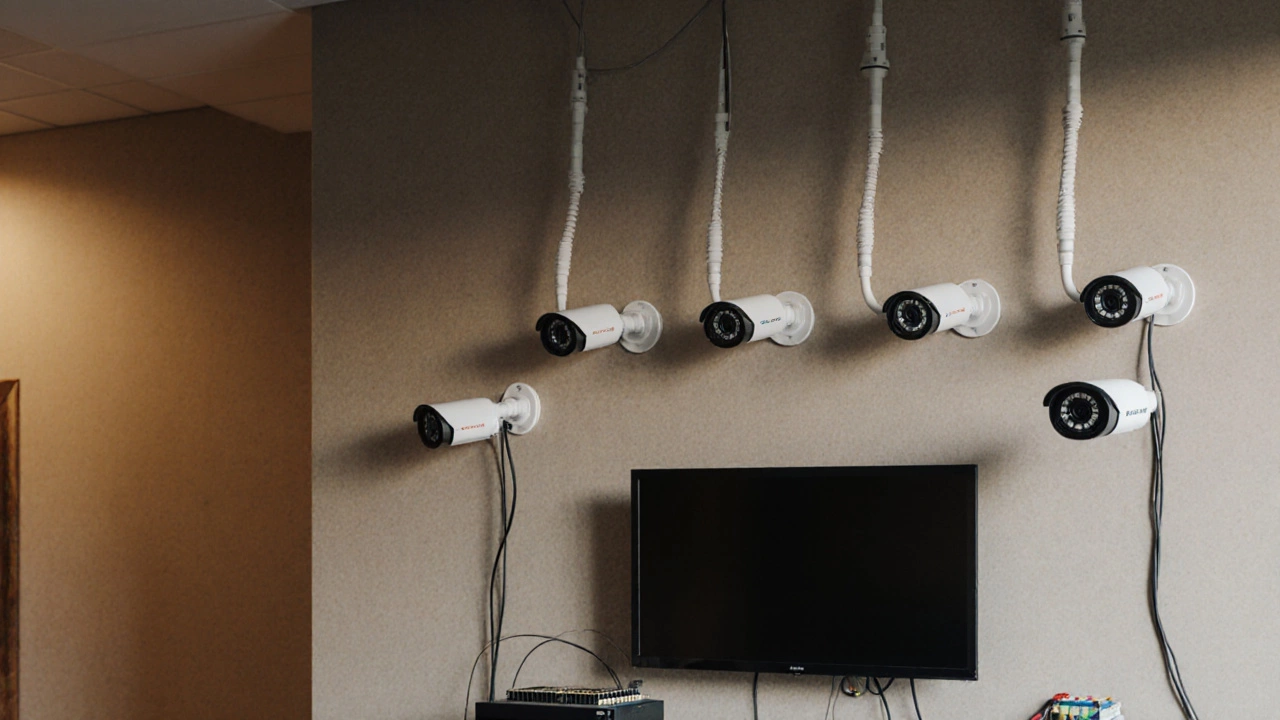
CCTV is a complete surveillance system - not just the camera. Learn the key differences between a CCTV system and a CCTV camera, why the confusion matters, and how to avoid costly mistakes when installing security for your home or business.