
When you think of a home alarm system, a network of sensors, cameras, and alerts designed to detect intruders and notify you or authorities. Also known as a burglar alarm, it’s one of the most effective ways to protect your house—when it’s set up right. Too many people buy a system based on price or brand alone, then wonder why it goes off when the dog barks or doesn’t alert them when someone breaks in. The truth? Not all alarm systems are created equal. Some are wired, some are wireless, and some are designed to ignore your cat but still catch a stranger climbing through the window.
The real difference comes down to three things: how it detects threats, how it handles false alarms, and whether it connects to real people who can respond. A wired alarm, a system using physical cables to connect sensors to a control panel is reliable but hard to install and easy to cut. A wireless alarm, a system using radio signals to communicate between components is easier to set up, works during power outages with backup batteries, and lets you add cameras or door sensors later. Then there’s the pet-friendly alarm, a system designed to ignore pets under a certain weight while still detecting human movement. If you’ve got a big dog or two cats that jump on the couch, this isn’t optional—it’s necessary. And if you want real protection, not just noise, go for a monitored alarm, a system that connects to a 24/7 professional center that calls police or emergency services. Studies show 60% of burglars pick another house if they see a security system. But only systems with live monitoring actually make them leave when the alarm goes off.
It’s not just about the alarm itself. It’s about how it works with your home. Do you need outdoor lights that turn on when someone approaches? What happens if your Wi-Fi goes down? Can your phone still get alerts? These aren’t afterthoughts—they’re part of the system. That’s why the posts below cover everything from how much ADT really costs to why your dog cries at the alarm, and what makes a camera’s range actually useful at night. You’ll find real answers about Ring subscriptions, hybrid systems, and whether thermal cameras can see through walls (they can’t). No fluff. No marketing hype. Just what you need to know before you spend your money.
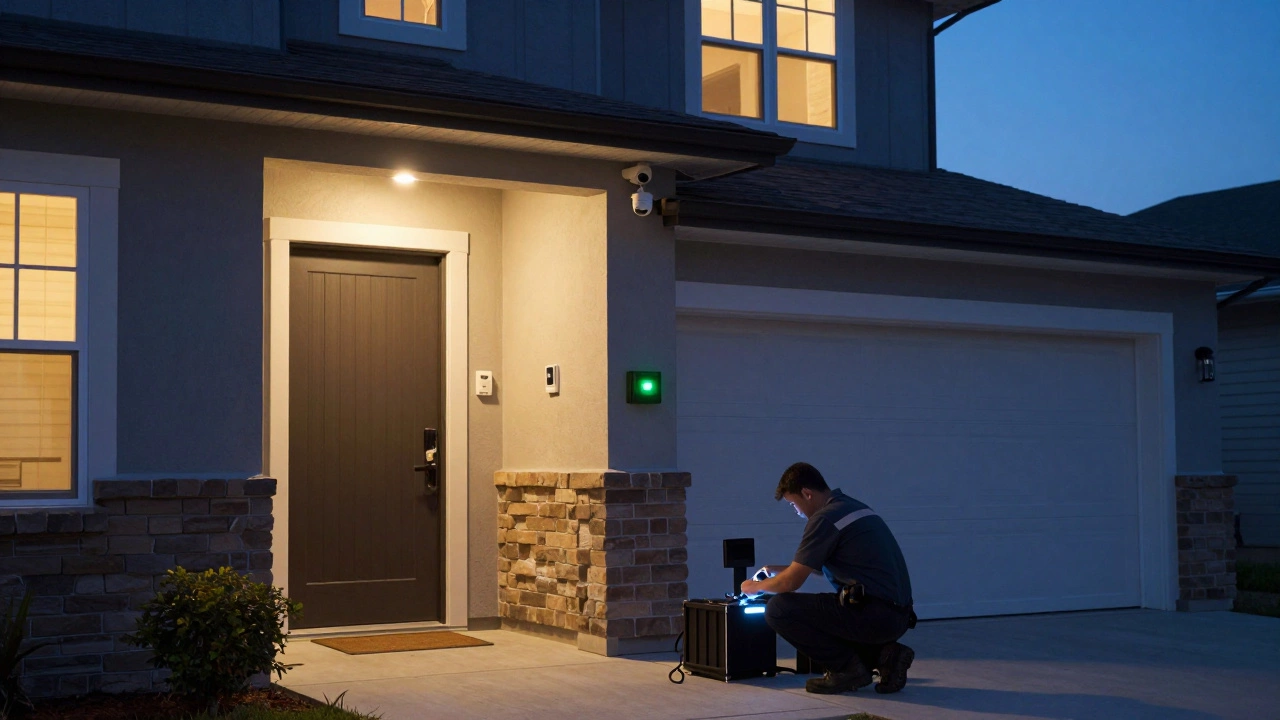
A monitored home alarm system can reduce your home insurance premium by up to 25%, but only if it's professionally installed, certified, and connected to a 24/7 monitoring center. Savings vary by insurer, location, and system type.