
When you hear an alarm go off because your dog jumped on the couch, you know something’s wrong—not with your home, but with your pet immune alarm, a security system designed to ignore movements from pets while still detecting human intruders. Also known as pet-friendly alarm, it’s not magic—it’s smart sensing. Most traditional motion detectors can’t tell the difference between your cat darting across the floor and a burglar creeping through the hallway. That’s why false alarms happen. And if your alarm goes off every time Fido runs to the kitchen, you’ll start ignoring it. And that’s when real danger slips in.
A good pet immune alarm, a security system designed to ignore movements from pets while still detecting human intruders uses PIR sensor, a passive infrared sensor that detects heat and movement, commonly used in home security systems technology tuned for pets. These sensors don’t just see motion—they analyze size, height, and heat signature. A dog or cat is lower to the ground and emits less body heat than a person. Smart systems filter out signals from anything under 40 pounds and below 2 feet off the floor. That’s why you can walk past your sleeping bulldog and not set off the alarm—but a stranger climbing through the window still triggers it. Some systems even combine PIR with microwave or ultrasonic sensors to reduce mistakes even further. This mix is called dual-tech, and it’s one of the most reliable setups for homes with pets.
But not all pet immune alarms are created equal. Some brands just slap on a "pet friendly" label and charge more. Real ones adjust sensitivity zones, use ceiling-mounted sensors to avoid floor-level pets, or let you set height thresholds in the app. If you’ve got big dogs or multiple cats, you need a system that lets you fine-tune these settings. And if your pet likes to jump on the sofa or run up the stairs, you’ll want sensors placed high enough to ignore them but still cover entry points. Look for systems that let you test and adjust detection zones without calling a technician. The best ones even send you alerts when a sensor gets blocked by a pet’s favorite blanket or toy.
What you’re really buying isn’t just a sensor—it’s peace of mind. You don’t want to wake up at 3 a.m. to a siren because your cat knocked over a plant. You don’t want to ignore your alarm because it’s crying wolf too often. A true pet immune alarm works silently in the background, letting your pets live like they own the place while keeping your home locked down against real threats. That’s why systems like these show up in posts about barking dogs, motion sensor types, and why wired alarms struggle with modern homes. They’re not just a feature—they’re a necessity if you live with animals.
Below, you’ll find real-world guides on how these systems actually work, what sensors to avoid, how to install them without false triggers, and which brands deliver on their promises. No fluff. Just what works.
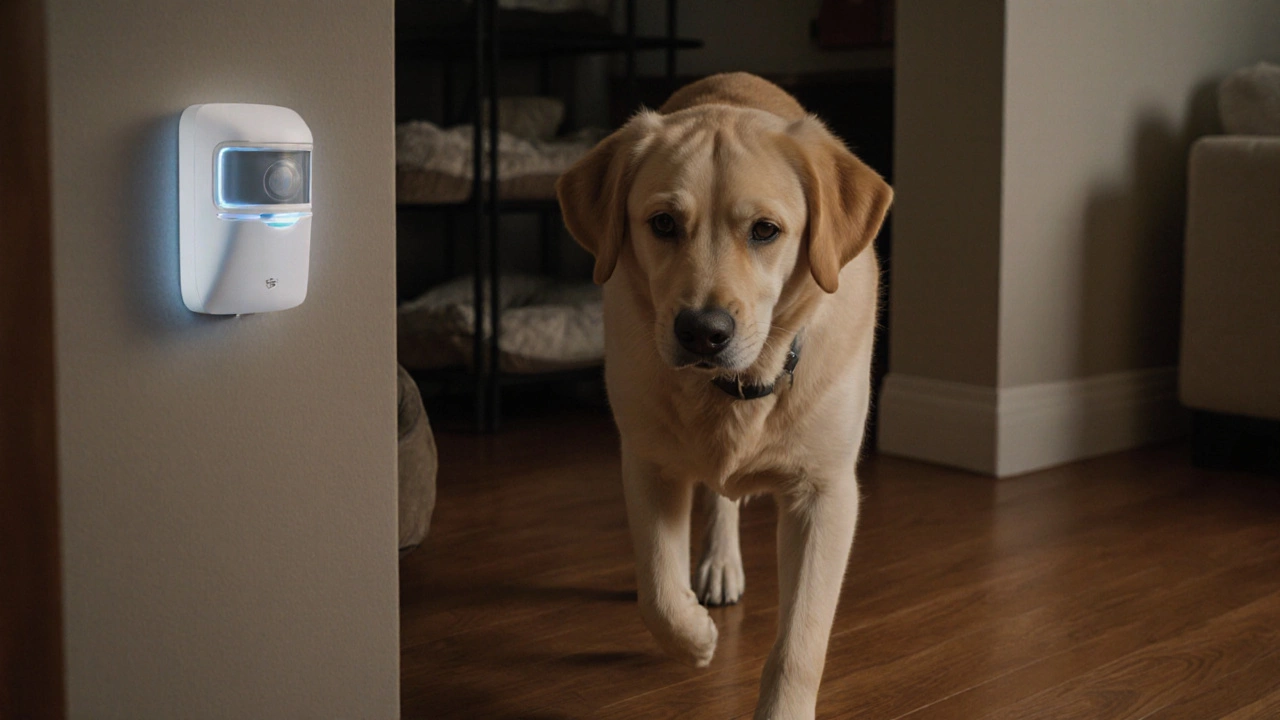
A pet-friendly alarm ignores your dog or cat while still detecting intruders. Learn how these systems work, which brands perform best, and how to avoid false alarms with large pets.