
When someone talks about a phone camera hack, a malicious exploit that lets an outsider activate your phone’s camera without your knowledge. Also known as remote camera access, it’s not science fiction—it’s a real threat that targets everyday users. Your phone isn’t just a communication tool; it’s a pocket-sized surveillance device that can be turned against you if security is ignored.
Many people think their phone is safe as long as they don’t click suspicious links. But smartphone security, the layered protection that keeps your device, apps, and data from unauthorized access. Also known as mobile device security, it’s not just about passwords or antivirus apps. It’s about understanding how apps, permissions, and network connections can be abused. A hacker doesn’t need to break into your phone—they just need you to install a harmless-looking app that quietly requests camera access. Once granted, that access can be controlled remotely, even if the app looks closed. This is why mobile privacy, your right to control who sees what your phone captures, including video, audio, and location data. Also known as digital privacy, it’s not optional—it’s essential. Your camera isn’t just for selfies. It’s a window into your home, your routine, your family. If a phone camera hack, a malicious exploit that lets an outsider activate your phone’s camera without your knowledge. Also known as remote camera access, it’s a real threat that targets everyday users. Your phone isn’t just a communication tool; it’s a pocket-sized surveillance device that can be turned against you if security is ignored. happens, you’re not just losing data—you’re losing control of your personal space.
Most cases of phone spying don’t involve high-tech espionage. They start with phishing emails, fake updates, or apps that mimic legitimate services. Once installed, they use background processes to trigger the camera, often during moments when you’re least aware—like when you’re asleep or distracted. Even if you turn off the screen, the camera can still be activated. And yes, this has been proven in real investigations. The FBI has warned about apps that bypass Android and iOS security layers to stream video to remote servers. You don’t need to be a target to be at risk. If you use your phone for banking, video calls, or even just taking photos, you’re a potential victim.
Protecting yourself isn’t about becoming a tech expert. It’s about making simple, smart choices. Turn off camera permissions for apps that don’t need them—like your flashlight app or calculator. Check your app settings monthly. Look for unusual battery drain or overheating, which can signal hidden background activity. Install updates as soon as they’re available. And if you’re ever unsure, cover your camera with a small sliding sticker. It’s low-tech, but it works. You wouldn’t leave your front door unlocked. Don’t leave your phone’s camera open either.
Below, you’ll find real-world guides on how security systems—like those used in homes and businesses—can help you understand how surveillance tools are exploited, and how to defend against them. From how cameras behave when Wi-Fi goes down to how motion sensors detect intruders, these posts break down the same technologies that hackers try to misuse. You’ll learn how to spot vulnerabilities, secure your devices, and stay one step ahead. No fluff. No fear. Just clear, practical steps to keep your privacy intact.
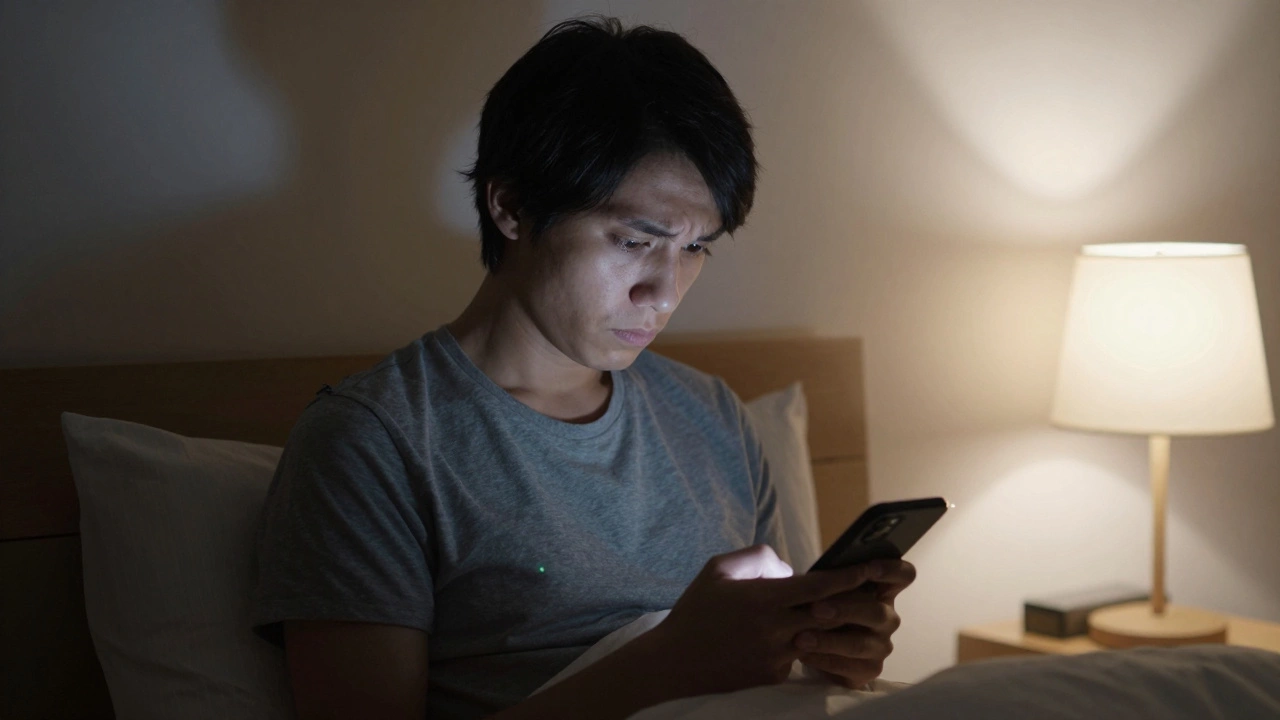
Can someone watch you through your phone camera? Yes, it’s possible-but not as common as you think. Learn how hackers access cameras, which phones are most at risk, and how to protect yourself with simple, proven steps.