
When you install a pet-friendly alarm, a security system designed to ignore the movement and sounds of cats and dogs while still detecting human intruders. Also known as pet immune alarm, it’s not just a marketing term—it’s a technical feature built into sensors, software, and camera algorithms that filter out pet-sized heat signatures and barks. Too many homeowners still buy basic alarms that go off every time Fido jumps on the couch or Mittens runs through the hallway. That’s not security—it’s frustration. And in 2025, you don’t have to accept it.
The real question isn’t whether your dog triggers the alarm—it’s whether your system can tell the difference between a pet and a person. Modern CCTV camera range, the effective distance at which a security camera can clearly identify a face or license plate under real-world conditions. Also known as long range security camera, it’s not just about zoom—it’s about pixel density, lens quality, and infrared performance at night. A camera that claims 100 feet of range might only give you a blurry blob at 40 feet in the dark. And if your WiFi security cameras, wireless cameras that rely on your home network to send alerts and live video. Also known as wireless CCTV, they’re convenient—but what happens when the internet drops? go offline? Most stop sending notifications, but some still record locally to a microSD card. That’s the difference between losing your footage and keeping it.
Meanwhile, outdoor security lighting, lights designed to deter intruders by illuminating entry points with motion-activated brightness. Also known as motion sensor lights, they’re not just about brightness—it’s about color temperature, coverage pattern, and whether they’re solar-powered or hardwired. A 500-lumen LED that flickers on for two seconds won’t scare off anyone. But a 1000-lumen light with a 180-degree field of view that stays on for 30 seconds? That’s a deterrent. And if you’re thinking about a wired alarm system, a traditional security setup that uses physical cables to connect sensors to a control panel. Also known as wired alarm, it’s reliable—but only if you’re okay with drilling holes, hiring an electrician, and never moving your system. You’re paying for stability, but you’re giving up flexibility. Most homes today are better off with wireless or hybrid systems that let you add cameras, door sensors, or panic buttons anytime.
What you’ll find below are real, tested answers—not theory. We looked at what actually happens when a barking dog sets off an alarm, how much Ring really costs in 2025, whether burglars avoid homes with alarms (and why), and what distance your CCTV camera can truly see at night. These aren’t guesses. They’re results from real installations, user reports, and performance tests. Whether you’ve got a Great Dane, a backyard full of shadows, or a spotty WiFi signal, you’ll find something here that saves you money, time, and stress.
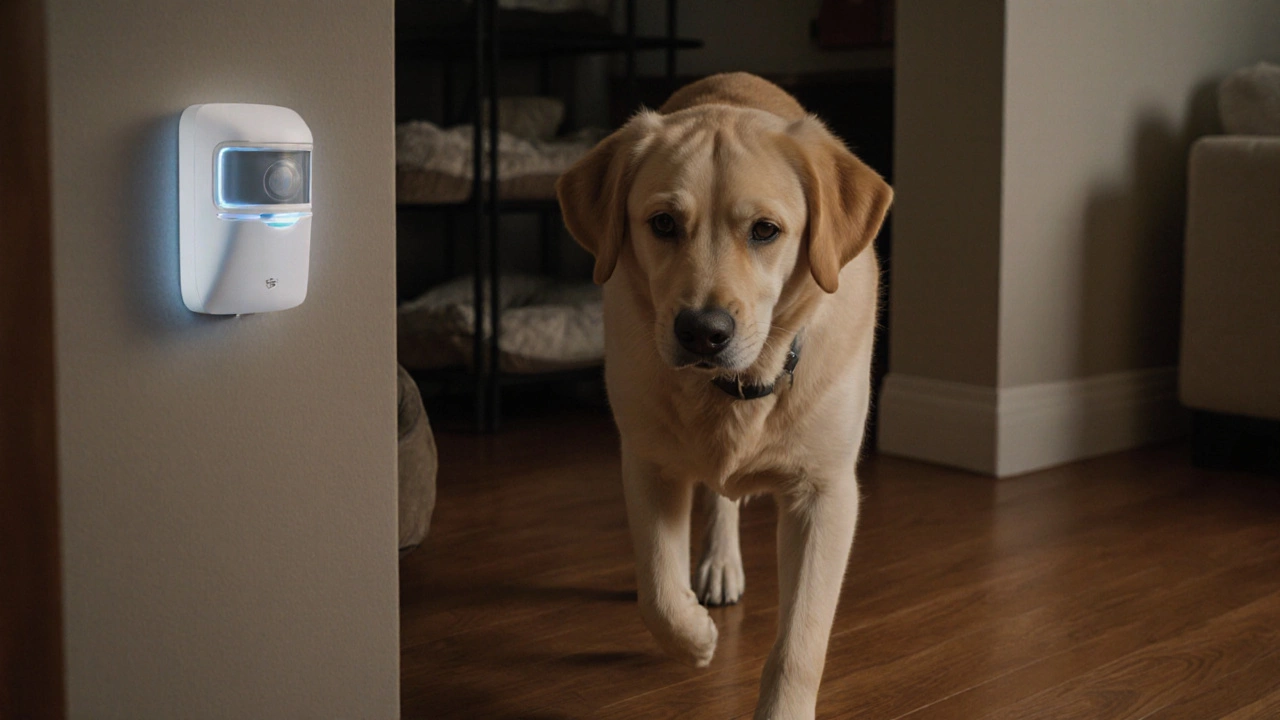
A pet-friendly alarm ignores your dog or cat while still detecting intruders. Learn how these systems work, which brands perform best, and how to avoid false alarms with large pets.
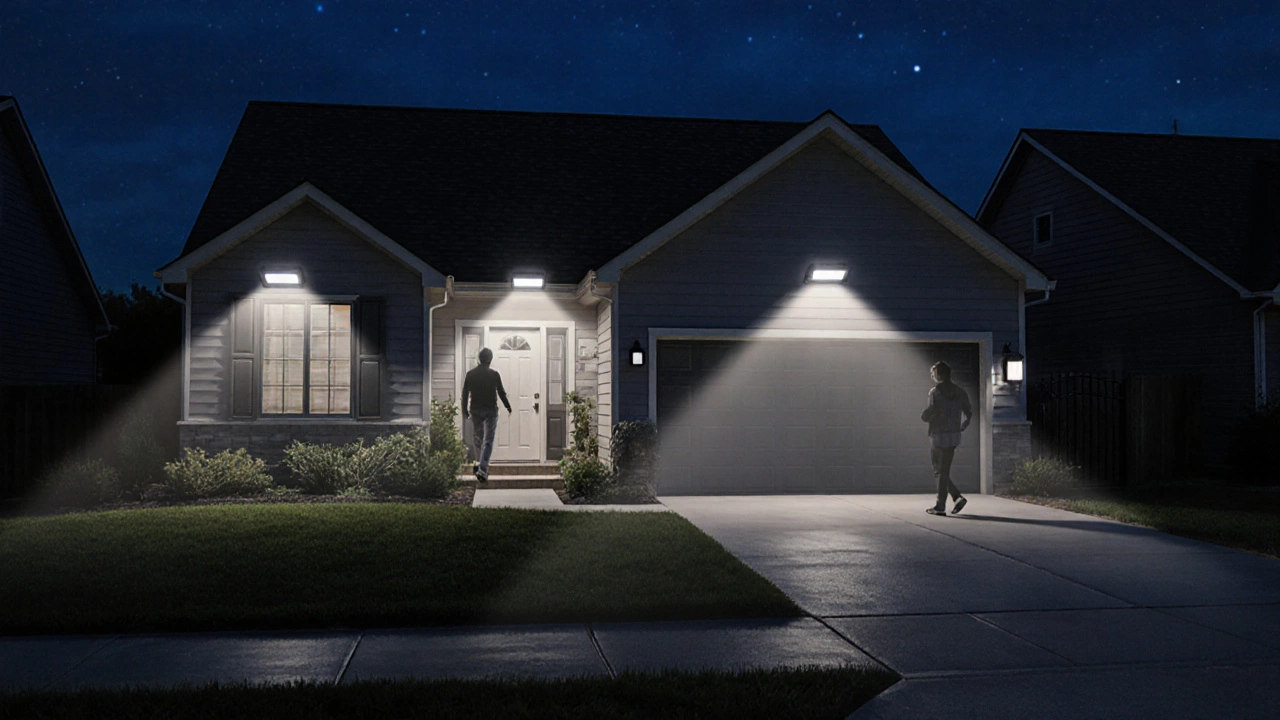
Learn how to choose outdoor security lighting that actually works-covering brightness, color temperature, motion sensors, solar vs. hardwired, placement, and real-world tips for 2025. Stop guessing. Start protecting.
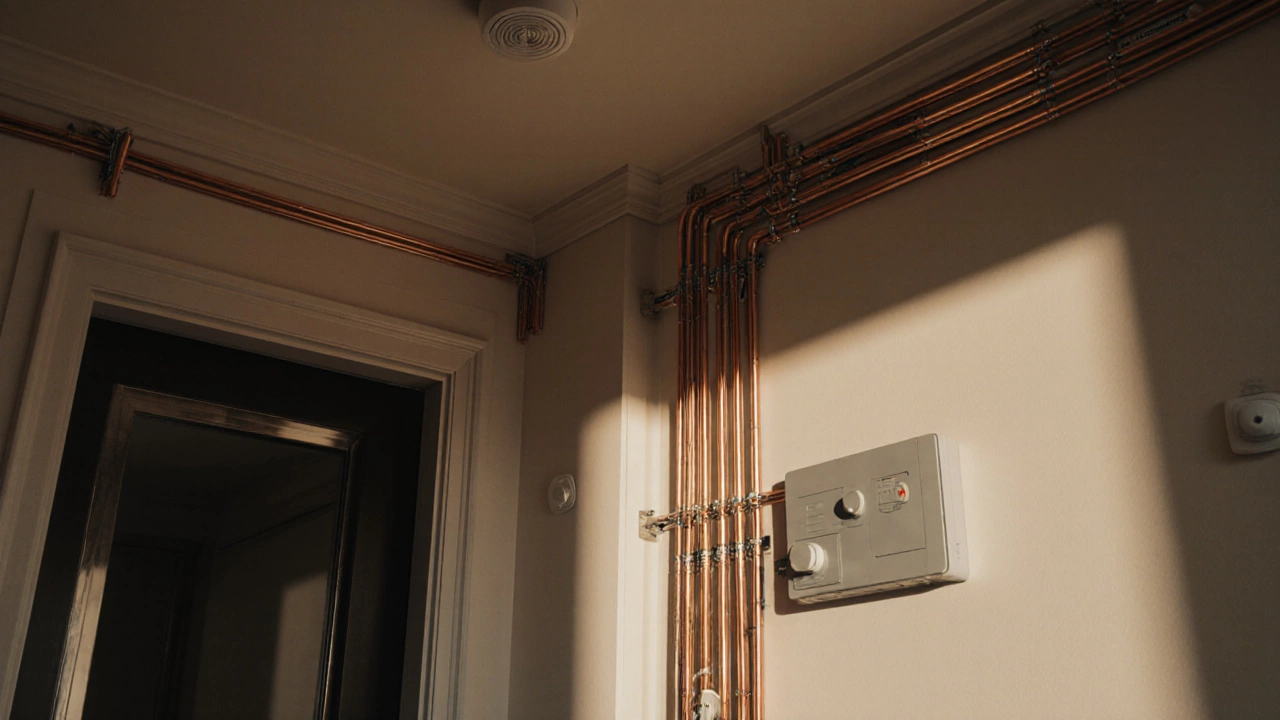
Learn the three main types of alarm systems-wired, wireless, and hybrid-and which one is best for your home. Compare reliability, cost, installation, and future-proofing to make the right choice.
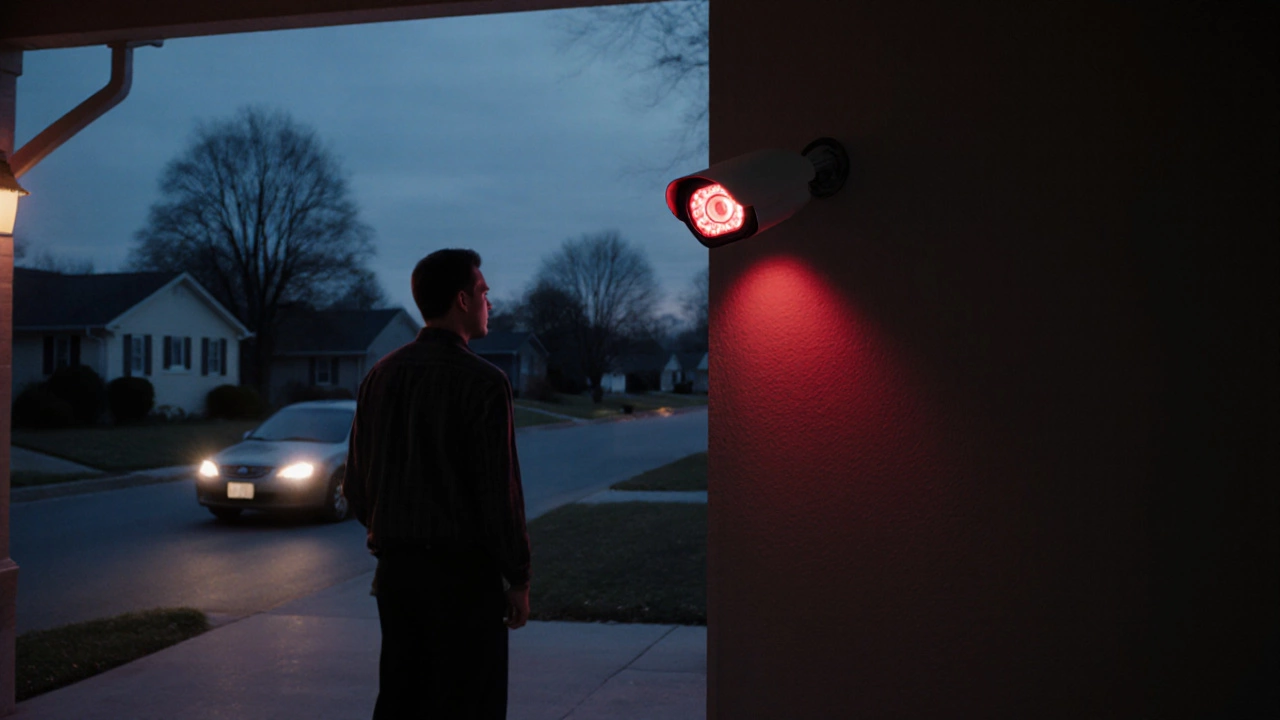
The maximum distance of a CCTV camera depends on resolution, lens, and lighting-not just specs. Learn real-world ranges for recognition, detection, and night vision with 4K and PTZ cameras.
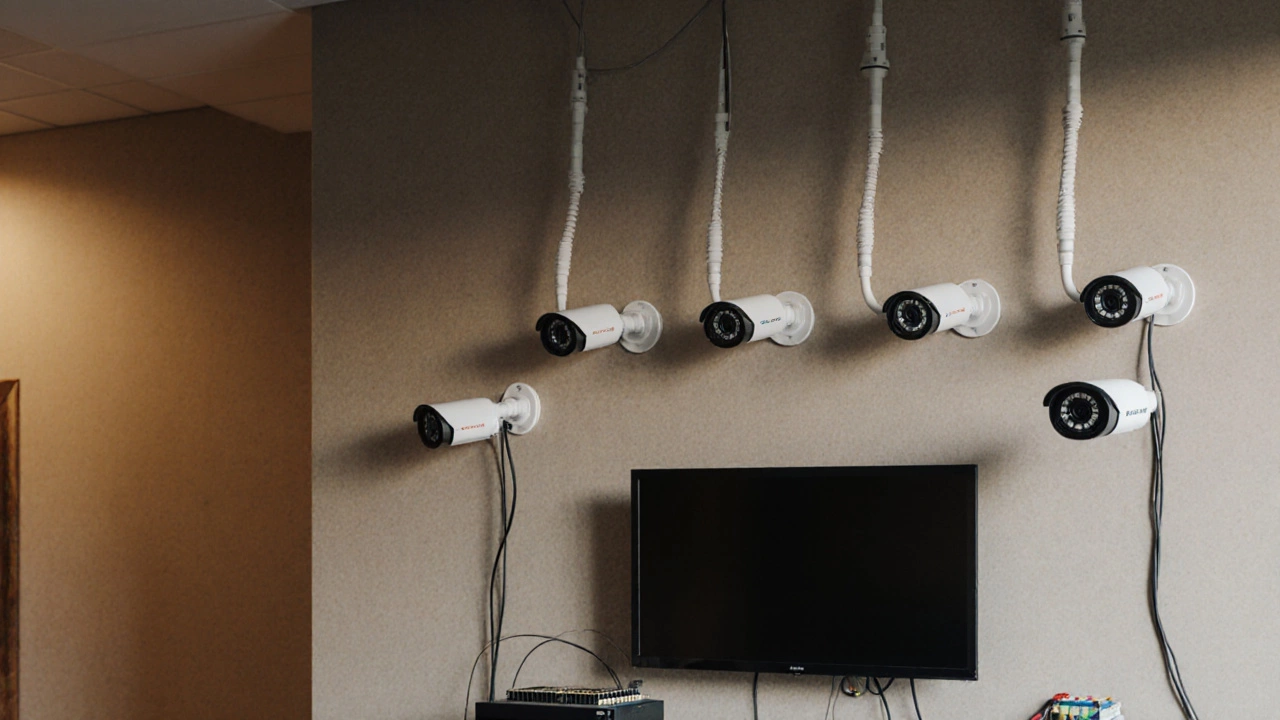
CCTV is a complete surveillance system - not just the camera. Learn the key differences between a CCTV system and a CCTV camera, why the confusion matters, and how to avoid costly mistakes when installing security for your home or business.

Wired alarm systems are outdated for most homes. They’re expensive to install, hard to move, ugly to look at, and easy to disable. Wireless systems now outperform them in reliability, cost, and features.
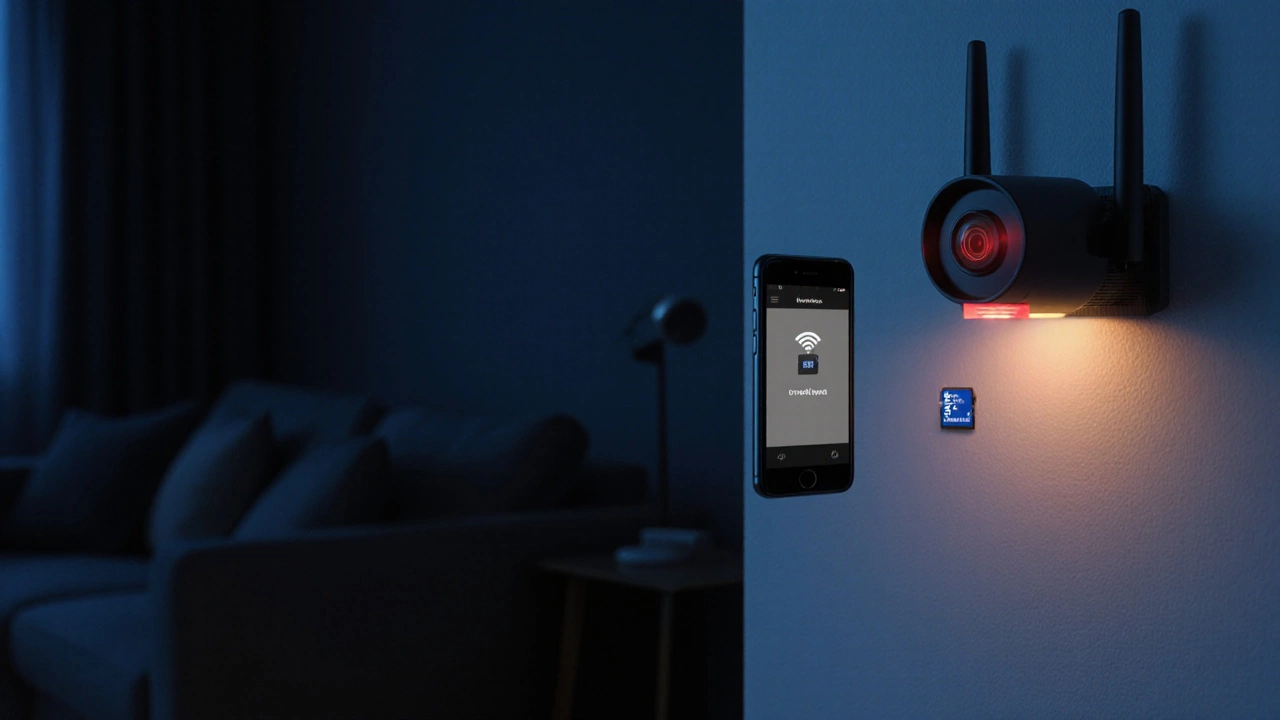
When WiFi goes out, most wireless security cameras stop sending alerts and live feeds-but many still record locally. Learn what actually works during an outage and how to protect your home.
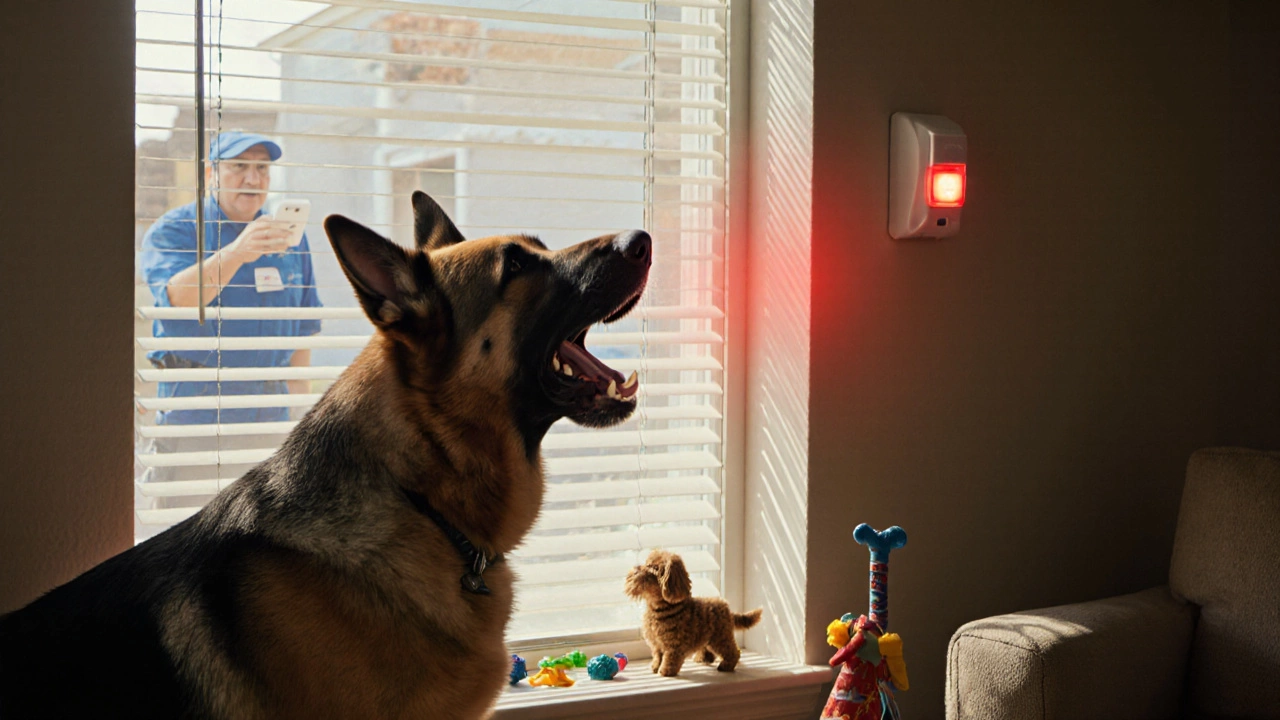
A barking dog can set off traditional alarms, but modern pet-friendly systems use advanced filtering to ignore pet sounds. Learn how they work, which ones actually work, and how to avoid false alarms.
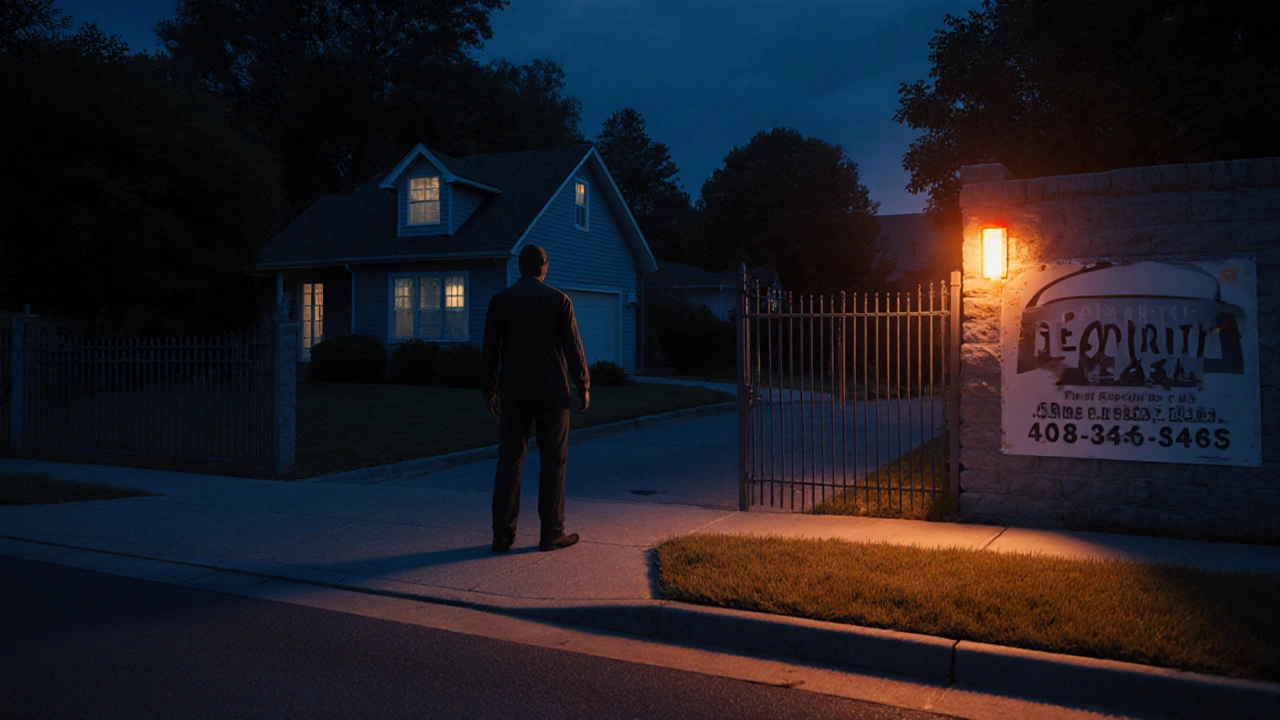
Do burglars avoid homes with alarms? Research shows 60% of burglars will choose another target if they see a security system. Learn how alarms deter crime, reduce losses, and what makes them truly effective.
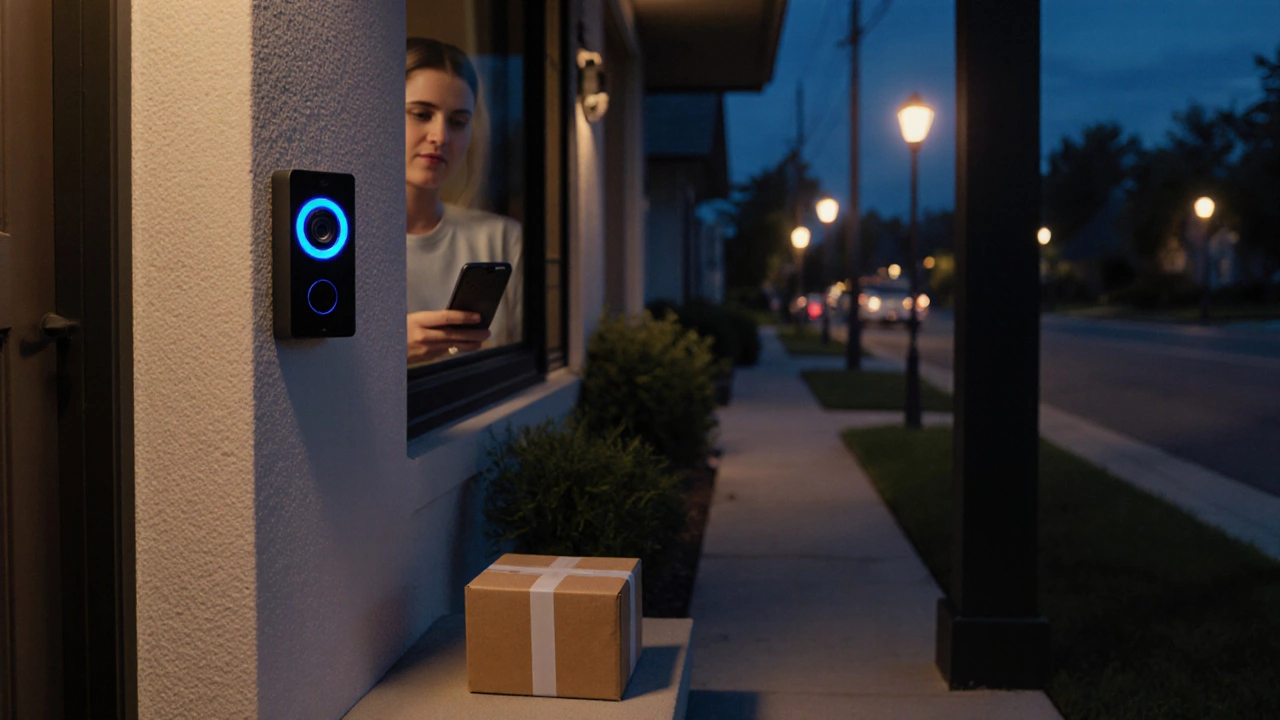
Ring doesn't charge for the device, but you need a subscription to save video, get smart alerts, or use professional monitoring. Here's exactly how much Ring costs in 2025 and whether it's worth paying.