
When you install a pet-friendly alarm, a security system designed to ignore small animals while still detecting human intruders. Also known as pet-immune alarm, it lets you walk away from your dog or cat without worrying the system will scream at every twitch. Most traditional alarms trigger on any movement—whether it’s a burglar or your Labrador chasing a fly. That’s why over 60% of homeowners with pets either disable their alarms or get fed up with constant false alerts. But pet-friendly alarms aren’t magic—they’re built with smarter tech.
The core of a good pet-friendly alarm is the PIR sensor, a motion detector that senses body heat and movement. Also known as passive infrared sensor, it’s the most common type in home systems. But not all PIR sensors are the same. Standard ones can’t tell the difference between a 70-pound dog and a person. Pet-friendly versions use motion sensor, a device that detects movement using infrared, microwave, or dual-tech methods. Also known as pet-immune motion detector, these are tuned to ignore heat signatures below a certain size and height—like pets under 40 pounds moving near the floor. Some even use dual-tech: combining infrared with microwave to confirm movement patterns that match humans, not pets.
But here’s the catch: a pet-friendly alarm won’t work if it’s installed wrong. Mounting sensors too low, pointing them at pet beds, or placing them near heat vents can still trigger false alarms. You need to think like your pet—where they jump, where they nap, where they run. That’s why professional installers always map out pet zones before setting up sensors. And if you’ve got bigger dogs? Some systems let you adjust sensitivity or use pet-safe zones in specific rooms. It’s not about blocking all movement—it’s about filtering out the noise so the real threat gets through.
False alarms aren’t just annoying—they’re dangerous. Police won’t respond to every one, and neighbors start ignoring them. That’s why choosing the right sensor type matters. Pet-friendly alarm systems that rely only on basic motion detectors often fail. The best ones combine sensor placement, height limits, and smart filtering. You’ll find posts below that break down exactly how PIR sensors behave around pets, why some motion detectors still trigger false alarms, and how to avoid the common mistakes that ruin even the best systems. Whether you’re dealing with a hyperactive cat or a giant mutt, the right setup keeps your home secure without turning your living room into a noise factory.
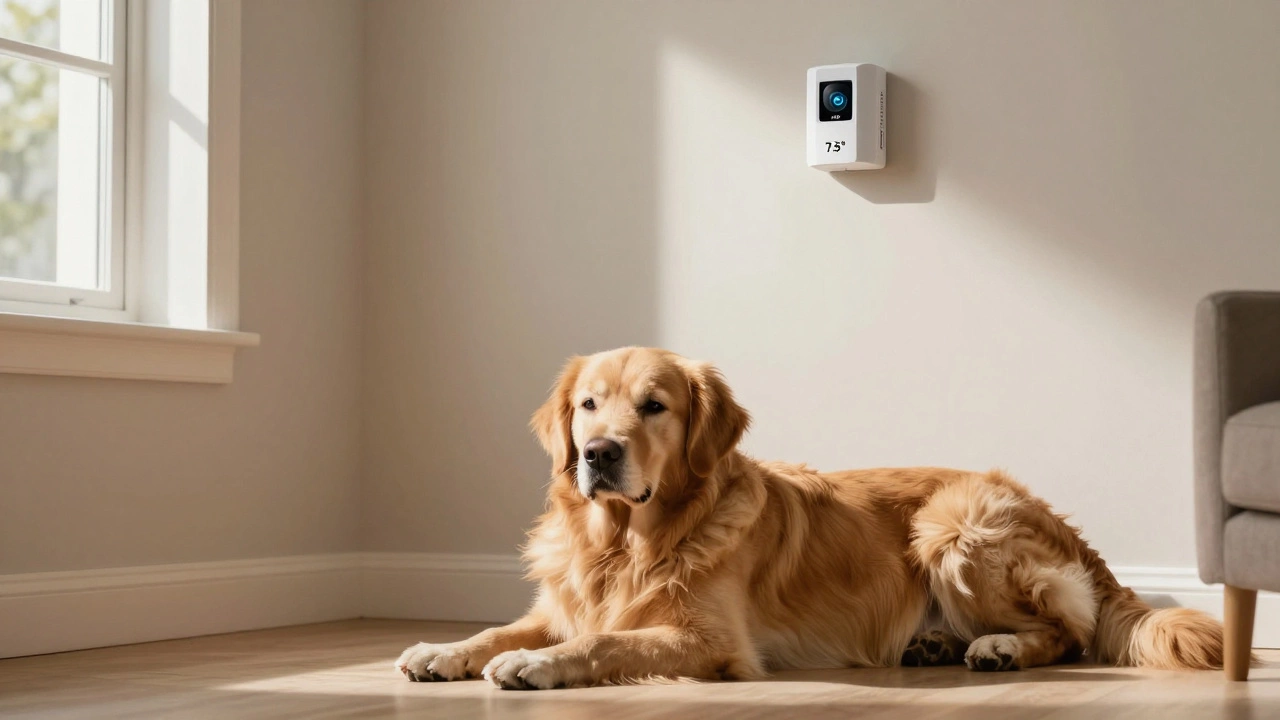
ADT's pet-immune alarms can ignore dogs up to 80 pounds-but only if sensors are installed correctly. Learn how weight, height, and breed affect false alarms-and what to do if your dog still triggers the system.

Dogs cry at alarms because of their sensitive hearing and instinctual responses to high-pitched sounds. Learn why it happens and how to stop it with proven training methods and smarter alarm choices.
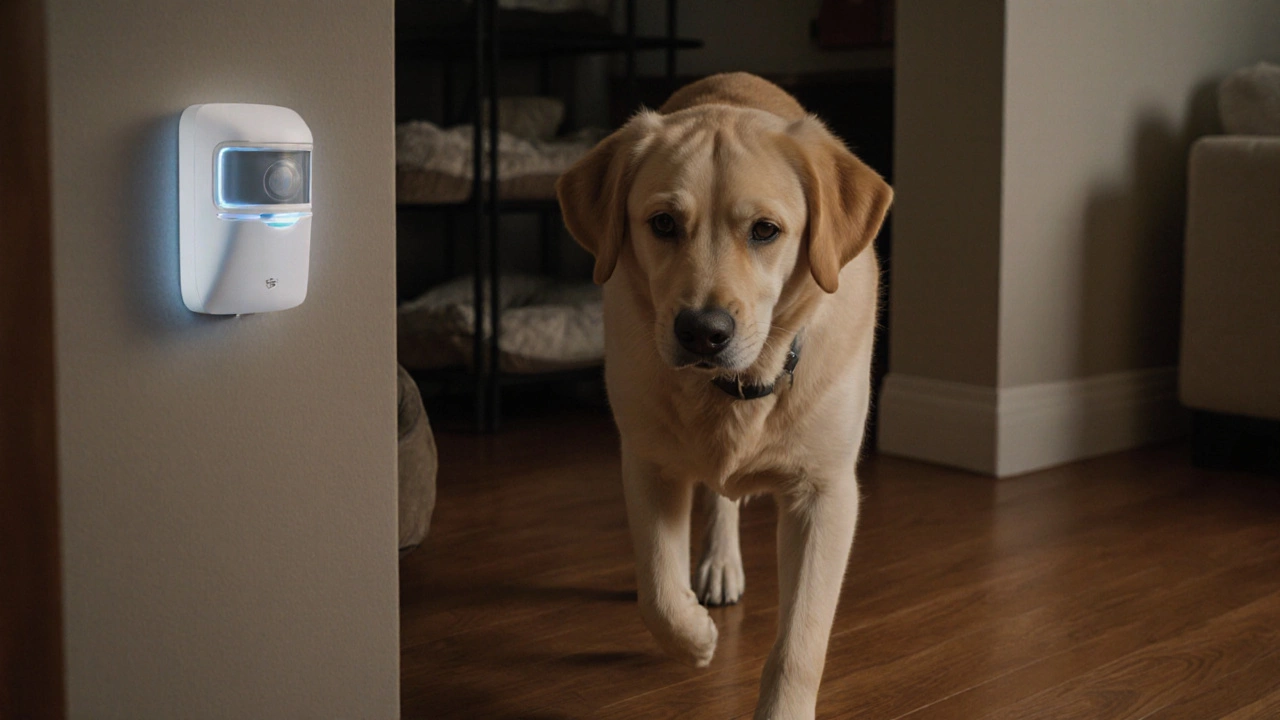
A pet-friendly alarm ignores your dog or cat while still detecting intruders. Learn how these systems work, which brands perform best, and how to avoid false alarms with large pets.
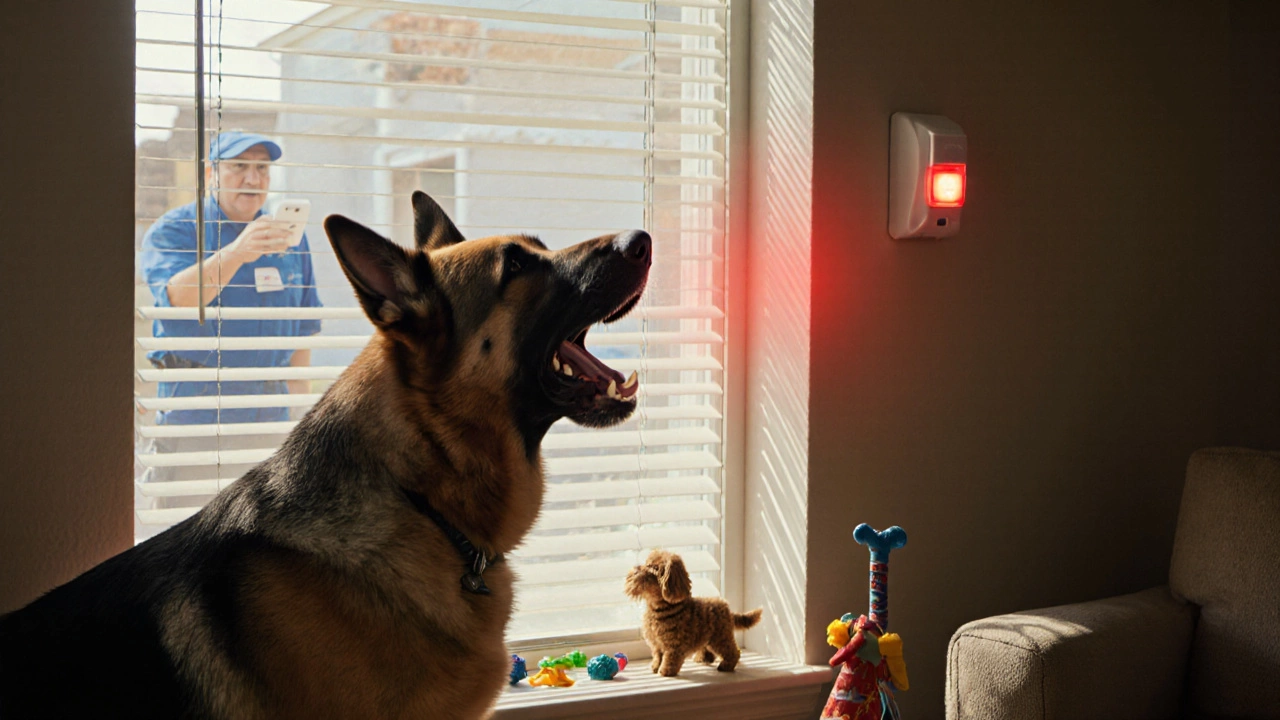
A barking dog can set off traditional alarms, but modern pet-friendly systems use advanced filtering to ignore pet sounds. Learn how they work, which ones actually work, and how to avoid false alarms.